
Seasonal Tips for Raising Chickens and Selling Eggs on the Farm
By La Rédaction — Ma Petite Ferme · 25/07/2026
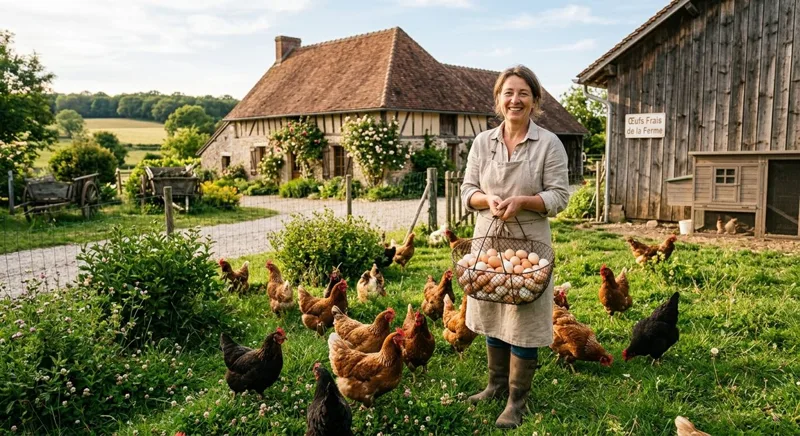
Adapting chicken farming to the rhythm of the seasons
Raising laying hens is intimately linked to natural cycles. Each season brings its own challenges and opportunities for the small farm producer. By understanding the specific needs of your poultry throughout the year, you improve their well-being, their productivity, and, in turn, the quality of the eggs you sell on the farm.
Spring and summer: peak laying season
Spring marks the strong return of egg-laying. The days grow longer, natural light stimulates the hens' pituitary gland and restarts egg production. This is the ideal time to check the condition of the henhouse after winter: deep cleaning, disinfection of perches, and replacement of bedding are essential to prevent parasites such as red mites, which become particularly active as the weather warms up.
In summer, take care to protect your hens from excessive heat. Ensure permanent access to fresh water, shade the outdoor run, and avoid feeding during the hottest part of the day. A hen stressed by heat lays less and may even stop entirely. Consider adding natural electrolytes to the water during heat waves.
Autumn: anticipating the moult and managing stocks
Autumn means moulting for the majority of laying hens. During this period, which lasts between 6 and 12 weeks, egg production drops significantly or even stops altogether. Anticipate this decline by building up a small reserve of eggs to fulfil your regular orders. Enrich the feed ration with protein to support feather regrowth: fishmeal, sunflower seeds, or dried insects are excellent natural supplements.
It is also the ideal season to renew your flock if necessary and to introduce young pullets born in spring that will begin laying as winter approaches.
Winter: maintaining production and pampering your hens
Winter represents the greatest challenge for selling eggs on the farm. Short days naturally reduce egg-laying. To maintain a satisfactory level of production, you can supplement the henhouse lighting with soft artificial light, aiming for a total of 14 to 16 hours of light per day. Be consistent with the lighting schedule to avoid disrupting your poultry.
Insulate the henhouse properly without making it airtight: good ventilation remains essential to prevent moisture and respiratory diseases. Distribute whole grains in the evening to help your hens generate body heat during the night.
Optimising egg sales through short supply chains all year round
To build customer loyalty at farmers' markets or through direct sales, communicate transparently about seasonal variations in production. Your buyers will appreciate this honesty and better understand the true value of a quality farm egg. Offer weekly subscription plans to secure your income and better plan the management of your flock. A well-managed seasonal farming operation is the guarantee of flavourful eggs and a sustainable direct-sales business.
Related articles — Seasonal Tips for Raising Chickens and Selling Eggs on the Farm
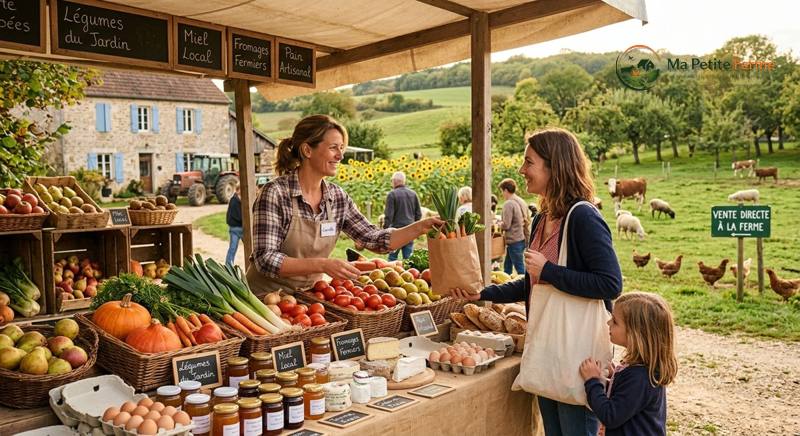
Direct farm sales: how to attract local customers and build customer loyalty
Discover the best strategies to grow your local customer base and build a lasting relationship of trust with your buyers through short supply chains.
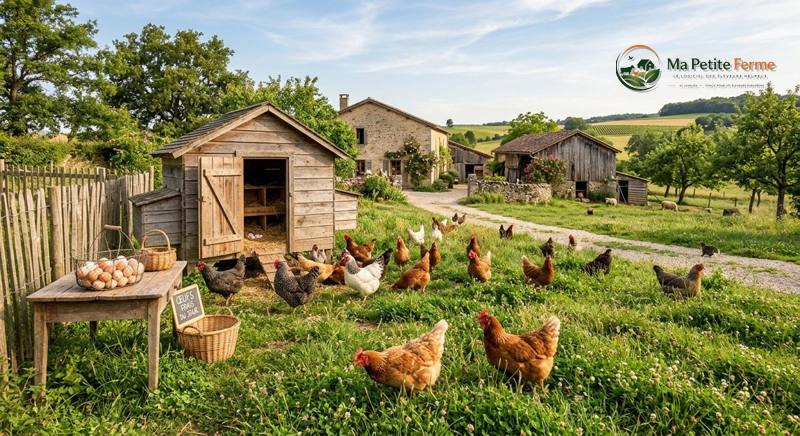
Laying hens in cages or free-range: what to choose for your farm?
Cage or free-range: discover the advantages, disadvantages and regulations to help you choose the right laying hen farming system.
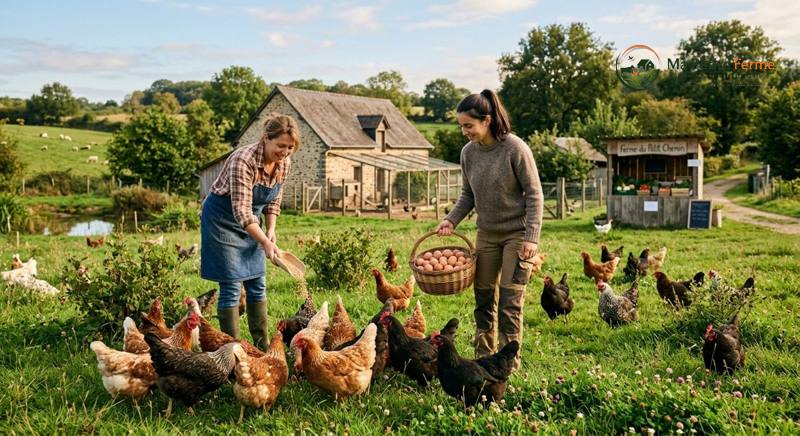
Free-range laying hens: the method winning over short supply chain buyers
Discover why raising your laying hens free-range boosts your short supply chain sales and builds lasting loyalty among your local customers.
Farms in our network — Seasonal Tips for Raising Chickens and Selling Eggs on the Farm
Get our tips by email
Livestock, production and short-circuit selling — our best tips, no spam.