Swollen goat udder: causes, warning signs and solutions for farmers
By La Rédaction — Ma Petite Ferme · 03/08/2026
Why Is Your Goat's Udder Swollen?
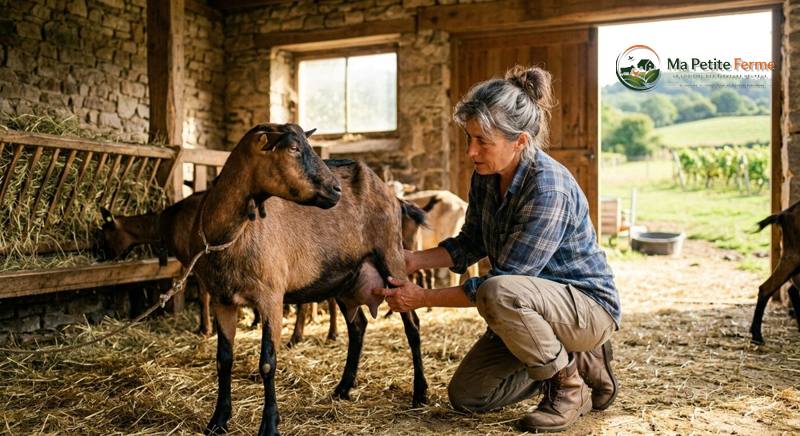
In goat farming, a swollen udder is a signal that should never be ignored. Several situations can be the cause: simple engorgement related to kidding, an infectious mastitis, a trauma, or a blockage of the teat canal. Quickly identifying the cause is essential to act effectively and limit losses, both for the animal's health and for your milk production.
Mammary Engorgement After Kidding
In the first days following kidding, it is common for the goat's udder to be tense, warm, and voluminous. This is often physiological engorgement, related to the milk coming in. The kid is nursing little, or milking is insufficient. In this case, the goat remains in good general condition: she eats, drinks, and shows no fever. It is generally enough to increase the frequency of milking and to make sure the udder is fully emptied each time for the situation to resolve itself within a few days.
Mastitis, an Infection to Take Very Seriously
Mastitis is the inflammation of the udder, most often of bacterial origin. It manifests as a swollen, red, warm, and painful udder to the touch. The milk can become clumpy, watery, or contain pus. The goat may be lethargic, refuse to eat, and show a fever. Subclinical mastitis, which is difficult to detect with the naked eye, is distinguished from clinical mastitis, which is clearly visible. In both cases, a prompt veterinary consultation is essential. An antibiogram makes it possible to adapt the antibiotic treatment. Never attempt self-medication without professional advice.
How to Monitor and Prevent Udder Problems?
Prevention remains your best ally. A few simple habits can considerably reduce the risks:
• Check the udder at every milking: observe the color, warmth, firmness, and appearance of the milk. Use a black-bottomed strip cup to detect the first abnormalities in the milk.
• Maintain strict hygiene: wash your hands, clean and disinfect milking equipment, pre-dip and post-dip teats with an appropriate product.
• Check the condition of bedding: wet and soiled bedding is a breeding ground for bacteria. Change it regularly to limit contamination.
• Carry out herd checks: somatic cell counting in milk is a valuable indicator of the mammary health status of your goats.
When to Call the Veterinarian as an Emergency?
Certain signs should trigger an immediate call to your veterinarian: an udder that is very hard or, on the contrary, soft and cold (a sign of gangrenous mastitis), high fever, a prostrate animal, completely altered milk, or a total absence of milk. Gangrenous mastitis is an absolute emergency that can be fatal within a few hours. The earlier you intervene, the better the chances of recovery and preservation of milk production.
As a farmer selling through short supply chains, the health of your goats is directly linked to the quality of your products. Regular monitoring and careful observation of the herd are your best everyday tools.
Related articles — Swollen goat udder: causes, warning signs and solutions for farmers
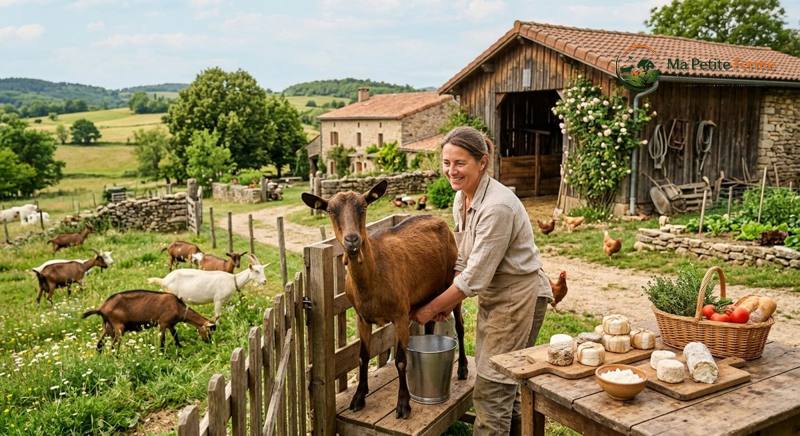
How Many Goats Do You Need to Be Self-Sufficient in Cheese?
Find out how many goats you need to produce enough cheese year-round and achieve cheese self-sufficiency on your farm.
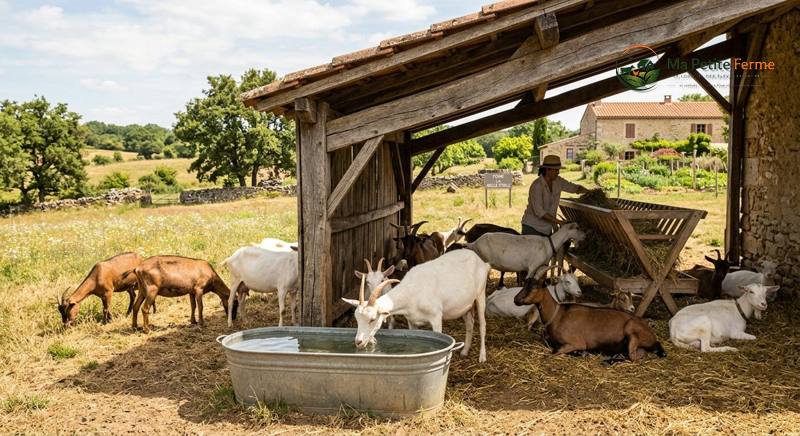
Do Goats Suffer from Heat? Tips to Protect Your Herd in Summer
During periods of intense heat, goats can be seriously affected. Discover how to effectively protect your herd this summer.
Laying Hens: The Best Breeds for Profitable Short Supply Chain Farming
Discover which laying hen breeds to choose to maximize your egg production and attract customers through direct sales.
Farms in our network — Swollen goat udder: causes, warning signs and solutions for farmers
Get our tips by email
Livestock, production and short-circuit selling — our best tips, no spam.