Vegetable Garden and Livestock Together: How to Organize a Productive and Harmonious Farm
By La Rédaction — Ma Petite Ferme · 11/08/2026
Why combine a vegetable garden and livestock on your farm?
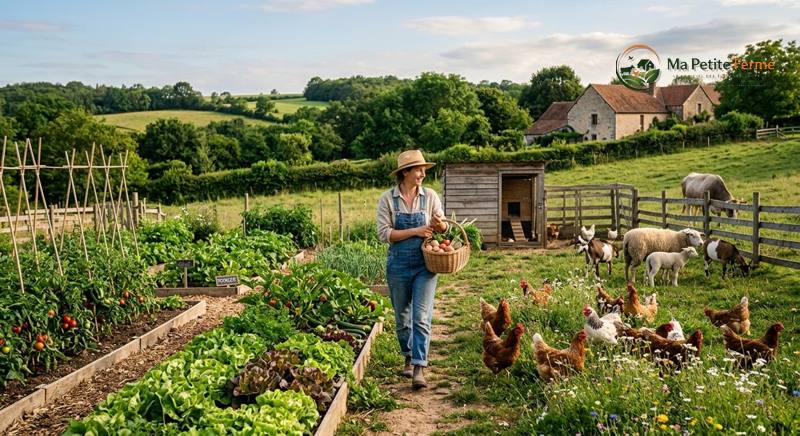
Combining a vegetable garden and livestock within a single farm operation is one of the smartest approaches for small-scale producers. This natural complementarity allows you to create a truly virtuous ecosystem: animals fertilize your crops, and your vegetable surplus feeds your livestock. The result? Less waste, fewer chemical inputs, and greater food self-sufficiency for your farm.
Choosing the right animals for your vegetable garden
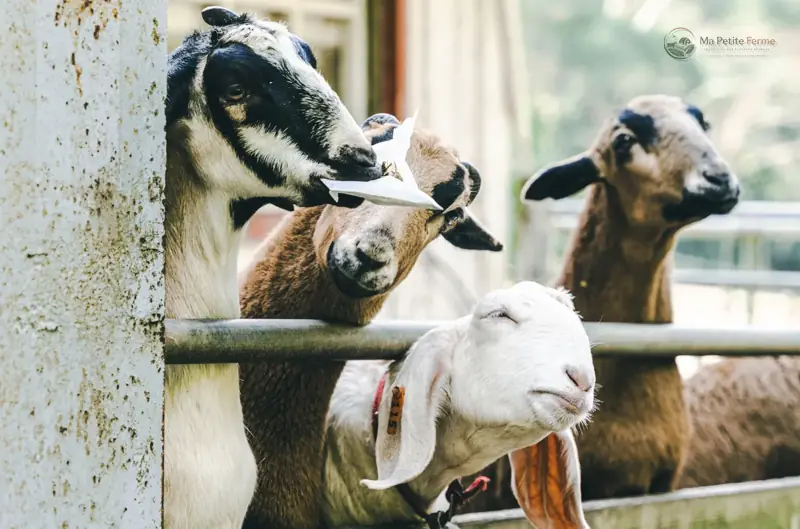
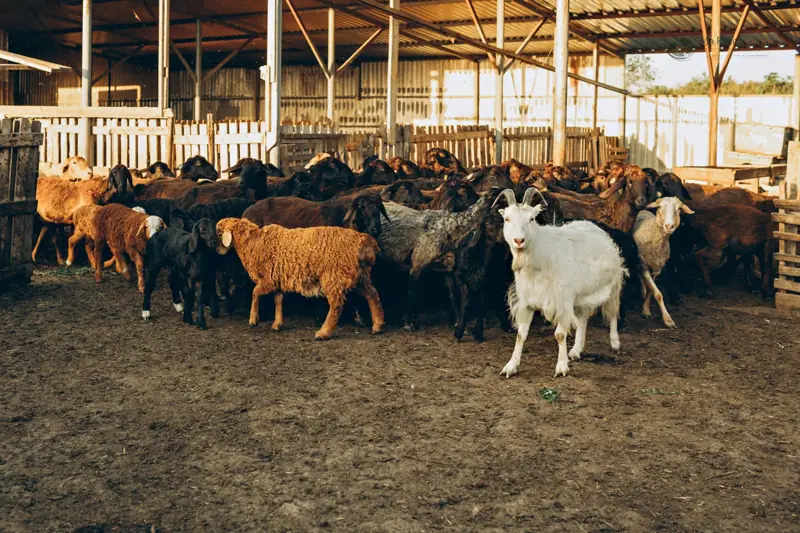
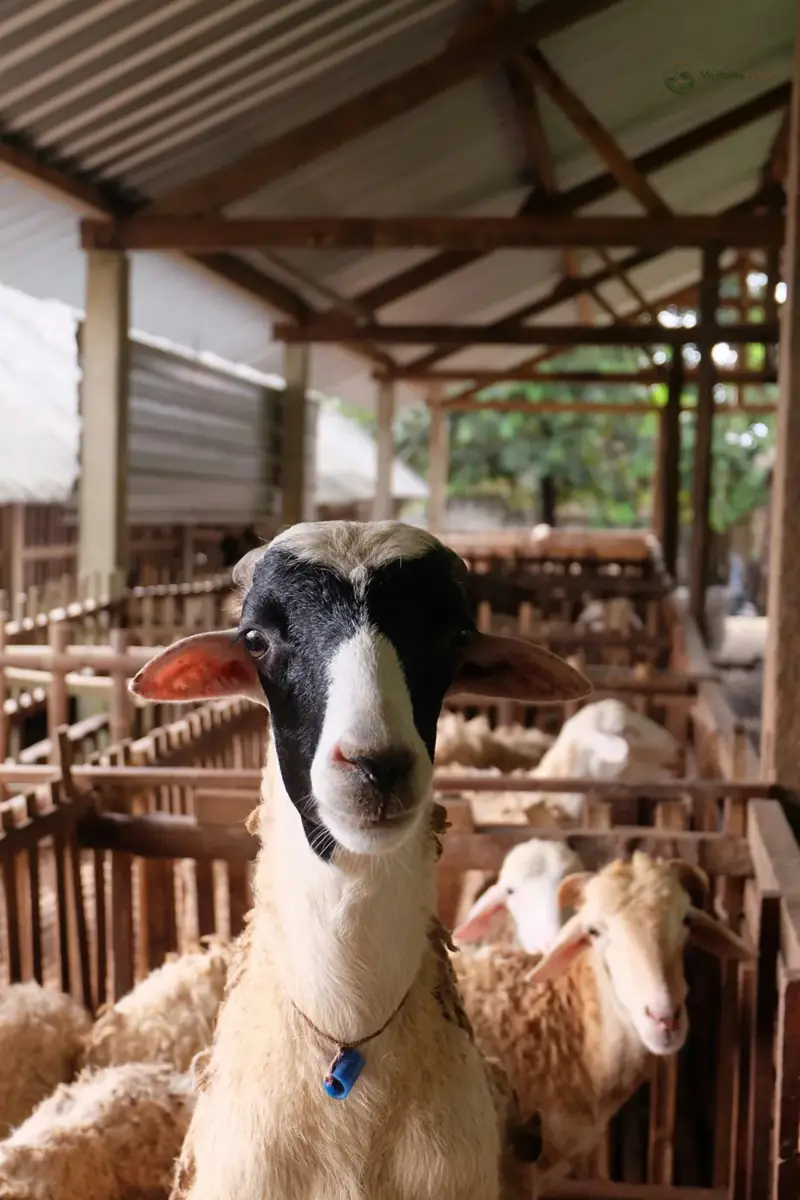
It all starts with a thoughtful choice of animal species. Chickens are arguably the gardener's ideal allies: they scratch the soil, devour slugs, and produce manure rich in nitrogen, perfect for your vegetables. Ducks excel at controlling gastropods without causing too much damage to plants. Rabbits provide exceptionally high-quality manure that can be used directly in the garden without prior composting. If you have more space, a few goats or sheep can naturally maintain your borders and hedgerows. The key is to match the size of your herd to the cultivated area to avoid any imbalance.
Organizing space for successful cohabitation
The key to good organization lies in the intelligent separation of zones. Think of your farm in distinct but connected sectors: a protected growing area, a rotational grazing area, and a central composting space. Practice the principle of plot rotation: let your poultry clean an empty growing bed between two planting cycles. They will rid the soil of pests and naturally enrich it. Install lightweight mobile fencing to easily move your animals according to your vegetable garden's needs. This flexibility is invaluable as the seasons change.
Managing livestock effluents as a precious resource
The manure and slurry produced by your animals are true treasures for your vegetable garden. Set up a central composter fed by animal droppings, soiled straw, and green waste from your garden. Good compost matures in three to six months and constitutes a high-quality organic amendment. For small-scale livestock operations, vermicomposting is also an excellent option. When well managed, this cycle closes the loop on organic matter and considerably reduces your need for externally purchased fertilizers.
Planning your seasons to optimize synergies
Organization over time is just as important as organization in space. In autumn, let your poultry roam over empty beds after the harvest to prepare the soil for spring. In summer, make use of your downgraded vegetables and leaf tops directly as animal feed. Keep a farm journal where you record rotations, manure applications, and crop results. This simple record-keeping will help you refine your system each year and highlight your approach to your short-supply-chain customers, who are increasingly receptive to these agroecological practices.
A coherent model for direct-to-consumer sales
Combining a vegetable garden and livestock also means building a coherent and diversified commercial offering for your customers. Mixed vegetable and egg baskets, festive poultry accompanied by homemade condiments, jams and preserves made from your surplus… The combinations are numerous and appealing. This diversity builds customer loyalty and secures your income throughout the year.
Related articles — Vegetable Garden and Livestock Together: How to Organize a Productive and Harmonious Farm
Food Self-Sufficiency at Home: How to Grow Your Own Food
Discover how to achieve food self-sufficiency at home through a vegetable garden, small-scale livestock, and simple preservation techniques.
Permaculture on small acreage: maximizing your farm's production
Discover how to apply permaculture principles on a small area to produce more, spend less, and sell through short supply chains.
Starting a Small Farm Livestock Operation: The Complete Guide for Beginners
Dreaming of starting a livestock operation on a small farm? Discover our practical tips to get started with confidence and avoid common mistakes.
Farms in our network — Vegetable Garden and Livestock Together: How to Organize a Productive and Harmonious Farm
Get our tips by email
Livestock, production and short-circuit selling — our best tips, no spam.