
Hive Monitoring: How to Succeed in Your Beekeeping Season
By La Rédaction — Ma Petite Ferme · 27/07/2026
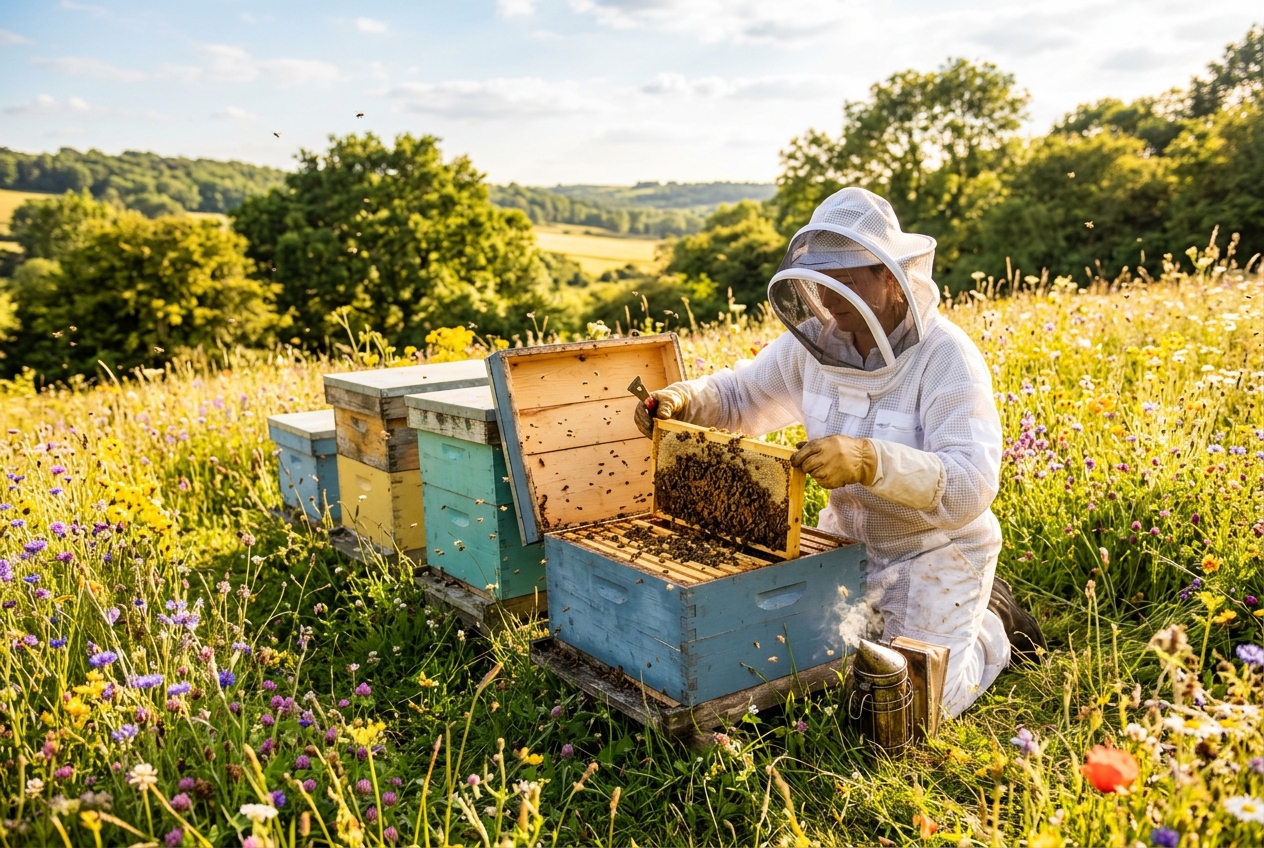
Why Hive Monitoring Is the Foundation of Successful Beekeeping
Whether you manage two hives or twenty, consistent hive monitoring is the single most important habit you can build as a beekeeper. Regular checks allow you to spot problems early, support healthy colonies, and maximize honey production. Think of it as a conversation with your bees — the more attentive you are, the more they reward you.
Spring Inspections: Starting the Season on the Right Foot
As temperatures rise above 55°F (13°C), it's time for your first thorough inspection. Look for a laying queen, healthy brood patterns, and sufficient food stores. Spring is also the moment to assess winter losses, clean out dead colonies, and replace old or damaged frames. A strong spring start sets the tone for the entire beekeeping season ahead.
What to Look for During Regular Hive Checks
During your weekly or bi-weekly inspections throughout spring and summer, focus on a few key indicators. Check that the queen is present and actively laying eggs in a solid pattern. Monitor the population growth and watch for signs of swarming, such as overcrowding or queen cells along frame edges. Always assess your food stores — bees can deplete honey reserves surprisingly fast during a nectar dearth. Finally, inspect for common pests like Varroa mites, small hive beetles, and wax moths, as early detection makes treatment far more effective.
Varroa Mite Management: A Critical Part of Monitoring
Varroa destructor remains the most serious threat to managed honeybee colonies worldwide. Use an alcohol wash or sticky board method monthly to measure mite loads. If your infestation level exceeds 2–3 mites per 100 bees, act immediately with an approved treatment. Keeping a monitoring log helps you track trends over time and make smarter management decisions for your apiary.
Preparing Your Hives for Winter
As days shorten in late summer and early fall, shift your monitoring focus toward winter readiness. Ensure each colony has at least 60–80 pounds of honey stores, a healthy and well-mated queen, and a population large enough to form a strong winter cluster. Reduce entrance sizes to prevent mice from moving in, and consider using insulating wraps in colder climates. A final Varroa treatment in early fall gives your winter bees the best possible chance of survival.
Keep a Beekeeping Journal for Long-Term Success
One of the most underrated tools for any small-scale beekeeper is a simple inspection journal. Recording dates, observations, treatments, and harvests helps you identify seasonal patterns, compare hive performance year over year, and make confident, data-driven decisions. Your notes today become your most valuable resource tomorrow. Consistent monitoring, paired with good record-keeping, is the true secret behind a thriving, productive beekeeping season.
Manage your farm with Ma Petite Ferme
Track your animals, production and sales in one place with our dedicated software (beekeeping). Try the free online demo : Explore the demo.
Related articles — Hive Monitoring: How to Succeed in Your Beekeeping Season
Week 34: Preparing Your Bees for Autumn After the Main Harvest
In week 34, the summer honey flow is coming to an end. Discover our practical tips to guide your bee colonies through a successful transition into autumn.
Laying Hens: The Best Breeds for Profitable Short Supply Chain Farming
Discover which laying hen breeds to choose to maximize your egg production and attract customers through direct sales.
Free-range laying hen farming: what does it really cost?
Discover the real cost of free-range laying hen farming: investments, ongoing expenses and return on investment for small-scale producers.
Farms in our network — Hive Monitoring: How to Succeed in Your Beekeeping Season


Get our tips by email
Livestock, production and short-circuit selling — our best tips, no spam.