
Week 31: Keeping Your Pigs Cool During the Summer Heat
By La Rédaction — Ma Petite Ferme · 27/07/2026
Why is heat dangerous for your pigs?
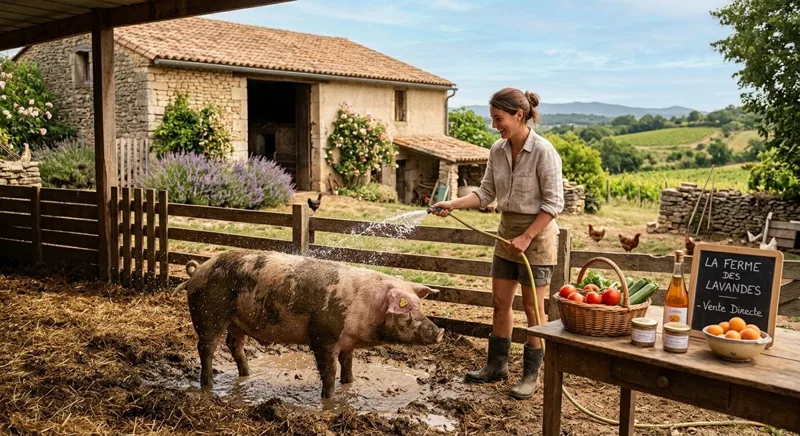
We are in week 31, and summer is in full swing. For pig farmers, this period requires special vigilance. Unlike other animal species, pigs have very few sweat glands and can barely sweat. Their heat regulation is therefore naturally limited, making them particularly vulnerable to heat stress. From 25°C onwards, the first consequences begin to appear: loss of appetite, slowed growth, and increased health risks.
Setting up the barn for cooler conditions
The first priority is to optimise the immediate environment of your animals. If your pigs are kept indoors, check that the ventilation is working properly and increase airflow as needed. Shade the roofs with nets or plants to reduce the greenhouse effect. For outdoor rearing, make sure every animal has access to a shaded shelter and a wet wallow. The mud pit is no whim: it is a genuine natural thermoregulation tool for pigs!
Water – your best ally during a heatwave
In summer, a growing pig can double its water consumption. It is therefore essential to check several times a day that the drinkers are clean, functional, and available in sufficient numbers. Allow for at least one drinker per five animals. You can also install sprinklers or evaporative coolers in the resting areas: a few minutes of spraying per hour makes a real difference to animal welfare. The water should be fresh, ideally between 10 and 15°C.
Adapting feeding to high temperatures
Distribute meals early in the morning and late in the evening, when temperatures are more comfortable. Avoid feeding at midday, when pigs have little appetite anyway. You can slightly enrich the ration with essential amino acids to compensate for reduced intake without increasing the digestive load. Also remember to check the quality of stored feed: heat accelerates fat rancidity and mould development.
Recognising signs of heat stress
A pig suffering from hyperthermia will show rapid, laboured breathing, apathy, and complete disinterest in eating. Act quickly by spraying it with fresh water and immediately improving ventilation. If in doubt, do not hesitate to contact your vet. A few simple daily measures are often enough to get through the summer without problems and maintain the health of your herd.
Manage your farm with Ma Petite Ferme
Track your animals, your production, and your sales with our dedicated software (pigs). Try the demo for free: Discover the demo.
Related articles — Week 31: Keeping Your Pigs Cool During the Summer Heat
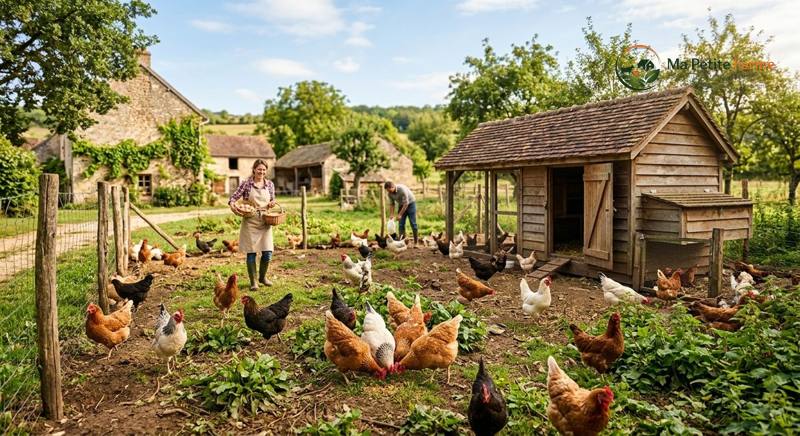
Chicken Coop Size: How Much Space Do Your Chickens Really Need?
Learn how to calculate the optimal size for your chicken coop – for healthy, happy chickens and greater success in direct sales.
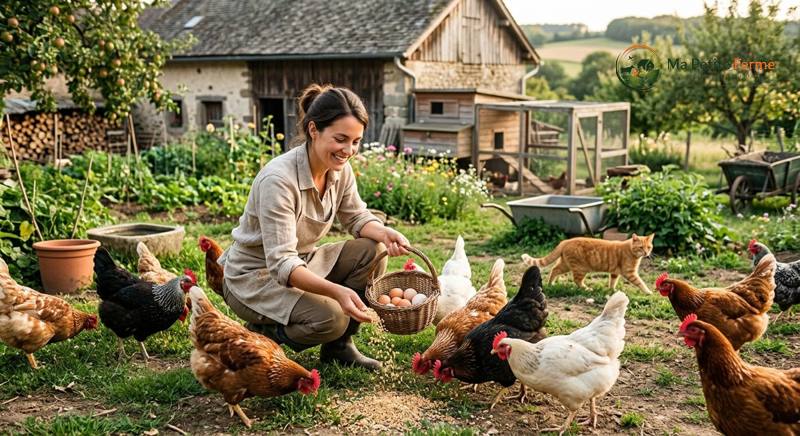
How Much Does a Laying Hen Cost? Purchase Price and Raising Costs Explained
Discover the purchase price of a laying hen and the real costs of raising them to properly prepare your short-circuit poultry farming project.
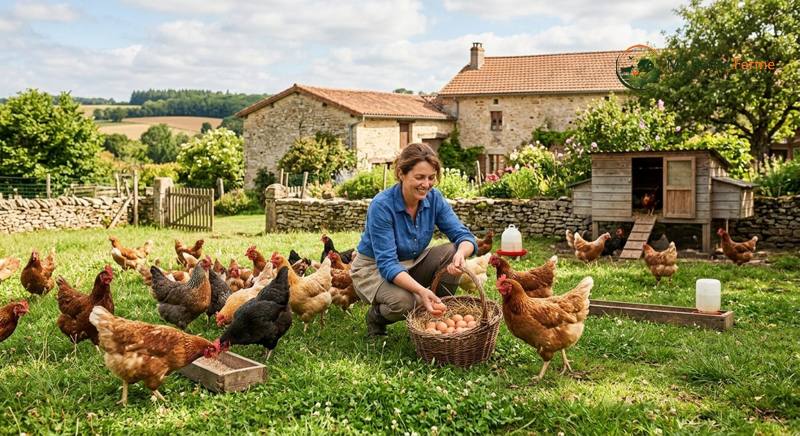
Free-range laying hen farming: benefits, challenges and practical tips
Discover how to succeed in free-range laying hen farming: animal welfare, egg quality and concrete advice for small-scale producers.
Farms in our network — Week 31: Keeping Your Pigs Cool During the Summer Heat
Get our tips by email
Livestock, production and short-circuit selling — our best tips, no spam.