
Managing Lactation and Kidding in Your Goat Herd
By La Rédaction — Ma Petite Ferme · 27/07/2026
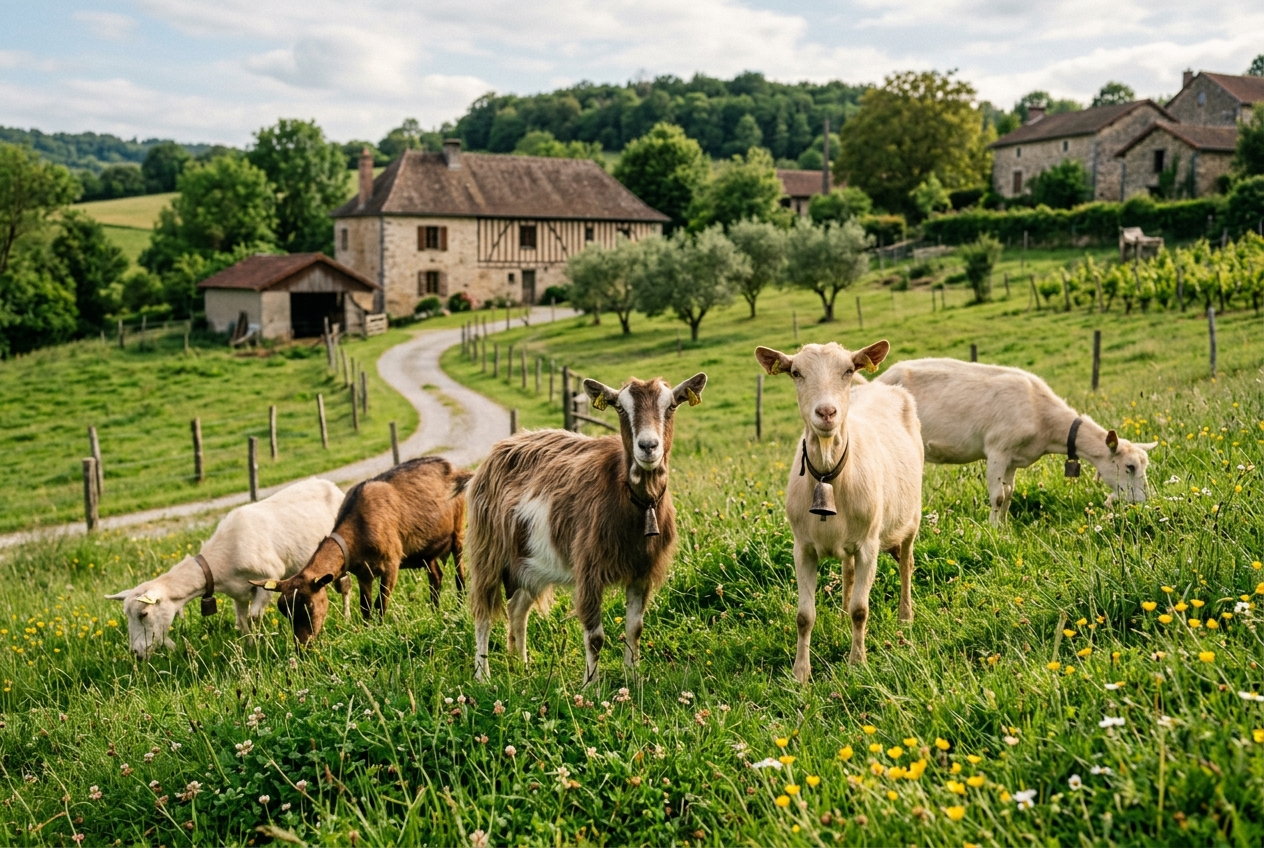
Understanding the Kidding Season
Kidding season is one of the most exciting — and demanding — times on any small farm. Does typically carry their kids for around 150 days, and knowing the signs of approaching labor is essential. Watch for a softening of the ligaments near the tailhead, udder engorgement, and restless behavior. Prepare a clean, dry kidding pen well in advance, stocked with fresh bedding, towels, iodine for navel dipping, and a heat lamp for cold-weather births.
Supporting Your Does During Labor
Most goats deliver without assistance, but it pays to stay observant. A doe in active labor should deliver within 30 minutes of strong pushing. If progress stalls, gentle intervention or a call to your veterinarian may be necessary. Once the kids arrive, ensure each one receives colostrum within the first two hours of life — this first milk is packed with vital antibodies that protect newborns from disease. If the doe is unable to nurse, have frozen colostrum on hand or use a commercial colostrum replacer.
Establishing a Strong Milk Supply
Lactation in dairy goats typically peaks around 6 to 8 weeks after kidding. To support robust milk production, focus on balanced nutrition. Does in milk have significantly higher energy and protein requirements than dry does. Offer high-quality forage such as mixed grass-legume hay, and supplement with grain based on your doe's body condition and production level. Fresh, clean water available at all times is non-negotiable — a lactating doe can drink up to 4 gallons per day.
Milking Routines and Udder Health
Consistency is key when it comes to milking. Establish a twice-daily milking schedule at even intervals to maximize production and prevent discomfort. Always practice good udder hygiene: pre-dip teats, strip the first few streams of milk, milk fully, and post-dip after each session. Monitor udder health closely for signs of mastitis — heat, swelling, or changes in milk texture should be addressed promptly. A California Mastitis Test (CMT) paddle is an affordable tool every goat keeper should have in their kit.
Drying Off and Preparing for the Next Cycle
Most producers dry off their does 6 to 8 weeks before their next expected kidding date. Gradually reduce milking frequency over one to two weeks rather than stopping abruptly to minimize mastitis risk. During the dry period, adjust feeding to avoid overconditioned does, but ensure they still receive adequate minerals and vitamins. This rest period allows the udder tissue to regenerate and sets the stage for another successful lactation. Thoughtful management through every stage of the reproductive cycle leads to healthier animals, better milk yields, and a more rewarding farm operation.
Manage your farm with Ma Petite Ferme
Track your animals, production and sales in one place with our dedicated software (goat farming). Try the free online demo : Explore the demo.
Related articles — Managing Lactation and Kidding in Your Goat Herd
How Many Goats Do You Need to Be Self-Sufficient in Cheese?
Find out how many goats you need to produce enough cheese year-round and achieve cheese self-sufficiency on your farm.
Swollen goat udder: causes, warning signs and solutions for farmers
A swollen goat udder can indicate mastitis or engorgement. Find out how to act quickly to protect your animals and your production.
Do Goats Suffer from Heat? Tips to Protect Your Herd in Summer
During periods of intense heat, goats can be seriously affected. Discover how to effectively protect your herd this summer.
Farms in our network — Managing Lactation and Kidding in Your Goat Herd
Get our tips by email
Livestock, production and short-circuit selling — our best tips, no spam.