How to Start a Small Farm: The Complete Guide for New Farmers
By La Rédaction — Ma Petite Ferme · 11/08/2026
Why starting a small farm is a wonderful human adventure
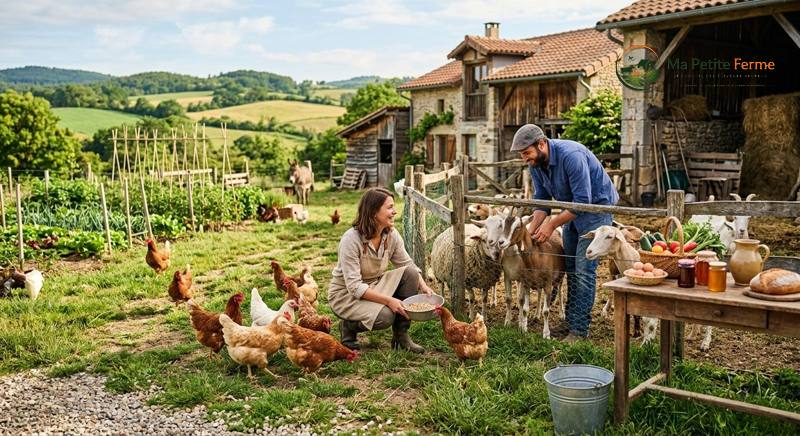
More and more people are choosing to leave the city behind and reconnect with the land. Starting a small farm is much more than a professional project: it is a true life choice. Whether you want to raise animals, grow vegetables, or sell your products through short supply chains, this adventure requires preparation, passion, and method. Here are the key steps to building a solid foundation.
Defining your agricultural project with precision
Before planting your first vegetable or welcoming your first animals, it is essential to clarify your vision. Ask yourself the right questions: what kind of production do you want to develop? Market gardening, poultry farming, beekeeping, small fruits? Who is your target market? Direct sales at the farm, local markets, community-supported agriculture? Write a precise installation plan, even a simplified one, which will serve as your compass throughout your journey. This document will also be useful if you apply for grants or funding.
Choosing the right land and the right infrastructure
Choosing the right plot of land is a crucial step. Assess soil quality, water availability, plot orientation, and proximity to road networks to facilitate deliveries or welcome customers. Also think about the necessary buildings: a chicken coop, a greenhouse, a storage facility, or a farm shop. There is no need to think too big at the start. It is better to begin small, master your practices, and then gradually expand based on your results and actual needs.
Getting trained and surrounding yourself with the right people
Farming cannot be improvised. If you do not have an initial agricultural background, several support schemes exist to guide you: the mandatory 21-hour placement required for installation grants, training courses offered by the Chambers of Agriculture, or practical internships with experienced farmers. Joining a network such as Young Farmers or a local producers' group will also allow you to exchange ideas, share experiences, and avoid many beginner mistakes.
Understanding the administrative and financial aspects
Setting up a farm involves a number of unavoidable administrative steps. You will need to register with the Agricultural Social Mutual Fund (MSA), choose an appropriate legal structure (sole trader, EARL, GAEC, etc.), and potentially submit an application to benefit from installation grants (DJA). Draw up a realistic financing plan that includes your initial investments, fixed costs, and an estimate of your income over the first few years. Do not hesitate to consult an agricultural advisor or a specialized accountant.
Launching your production and developing your customer base through short supply chains
Once your farm is up and running, it is time to make your products known. Direct sales are a major asset for small producers: they guarantee better margins and build a relationship of trust with your customers. Create a page on social media, take part in local markets, offer weekly vegetable boxes, or open your farm to visits. Word of mouth remains one of the most powerful tools in short supply chains. Be authentic, transparent about your practices, and proud of what you produce.
Related articles — How to Start a Small Farm: The Complete Guide for New Farmers
Starting a Small Farm Livestock Operation: The Complete Guide for Beginners
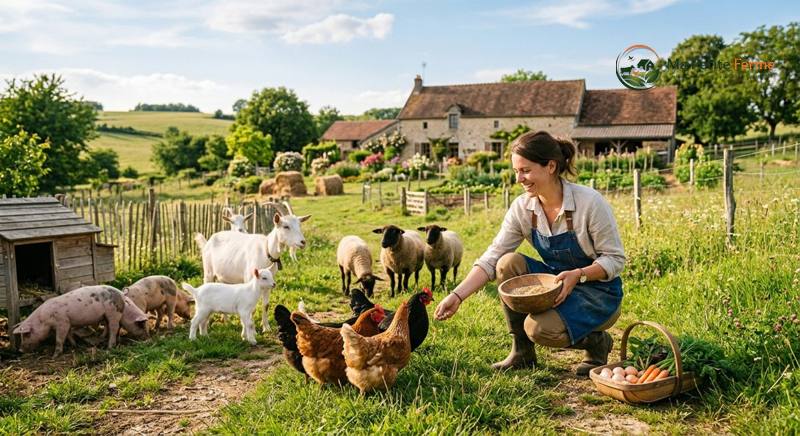
Dreaming of starting a livestock operation on a small farm? Discover our practical tips to get started with confidence and avoid common mistakes.
Laying Hens: The Best Breeds for Profitable Short Supply Chain Farming
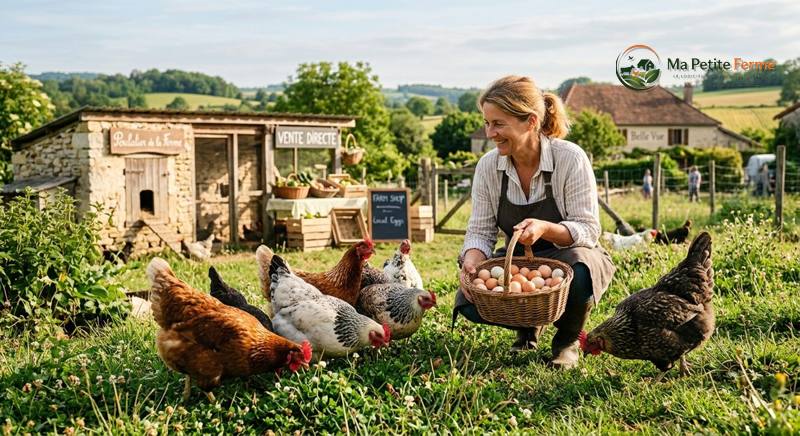
Discover which laying hen breeds to choose to maximize your egg production and attract customers through direct sales.
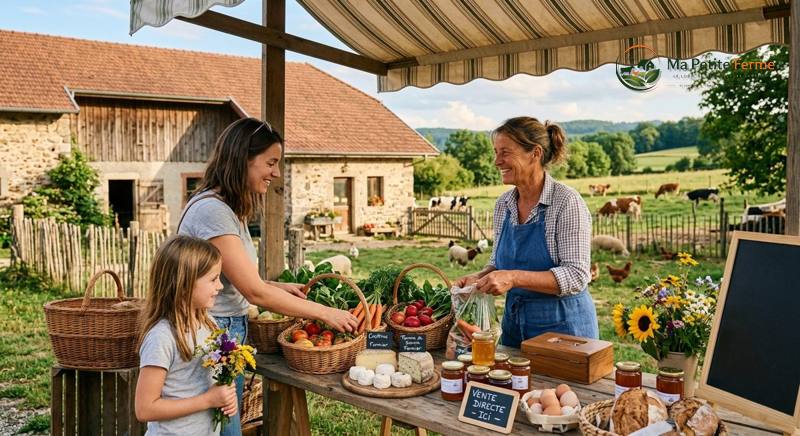
Direct farm sales in short supply chains: how to get started depending on your region
Discover how to launch your direct farm sales activity in short supply chains, with advice tailored to each region of France.
Farms in our network — How to Start a Small Farm: The Complete Guide for New Farmers
Get our tips by email
Livestock, production and short-circuit selling — our best tips, no spam.