
How to Manage a Small Farm: Practical Tips for Small Producers
By La Rédaction — Ma Petite Ferme · 11/08/2026
Building a solid foundation for your farm
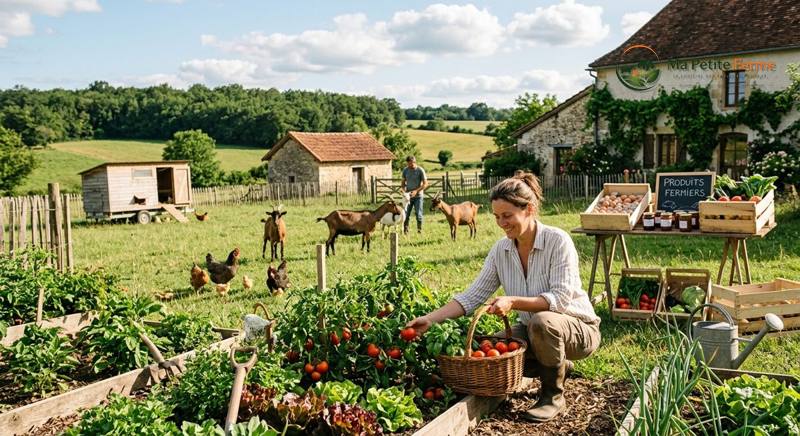
Running a small farm requires passion, organisation and method in equal measure. Before launching into production, it is essential to draw up a clear farm business plan. Define your objectives, your available land, the animal species or crops you wish to develop, and estimate your investment needs. A simple but realistic business plan will help you avoid unpleasant surprises and manage your operation with confidence right from the start.
Organising animal and crop production
Day-to-day organisation is the key to a well-run farm. Draw up a weekly schedule of your tasks: feeding the animals, maintaining pastures, monitoring herd health, managing crops and harvests. Make sure to keep a livestock record book or production register: these documents help you track your farm's performance and are often required depending on your legal status. Good crop rotation and responsible grazing will also help preserve the quality of your land over the long term.
Managing your costs and optimising your income
The profitability of a small farm rests on a delicate balance between expenses and revenue. Get into the habit of tracking your monthly outgoings: inputs, animal feed, veterinary costs, fuel and equipment maintenance. Regularly compare your production costs against your selling prices. To improve your margins, focus on diversification: offer several complementary products, such as vegetables, eggs, honey or farm-processed goods. Added value is also built through the quality and authenticity of what you produce.
Developing direct sales and short supply chains
Short supply chain selling is a tremendous lever for small producers. Farmers' markets, farm-gate sales, weekly vegetable boxes, community-supported agriculture schemes or online shops: there are many ways to sell your products. Invest in local communication by using social media to share your day-to-day farm life and build a relationship of trust with your customers. A loyal customer is one who comes back and recommends you to others. Do not hesitate to take part in local events to raise your profile and strengthen your ties to the local community.
Building a support network and continually developing your skills
Running a farm on your own can quickly become exhausting. Consider joining a farmers' group, a local cooperative or a mutual support network. These organisations offer training, technical advice and invaluable support when facing administrative or health-related challenges. Regularly updating your skills — whether in new agroecological practices, financial management or agricultural technology — will help your farm grow and remain competitive in a rapidly changing sector.
Related articles — How to Manage a Small Farm: Practical Tips for Small Producers

Farm Management Software: Free or Paid, Which Should You Choose in 2026?
Free or paid, which farm management software best suits your operation in 2026? We break it down to help you decide.
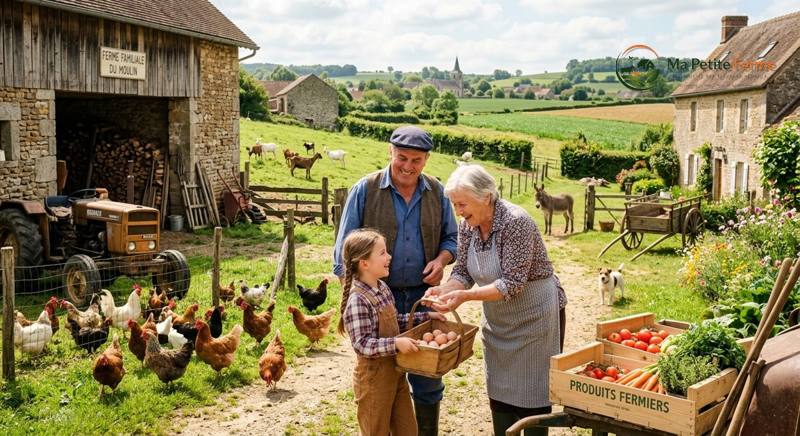
Managing a Family Farm: Keys to Success
Running a family farm requires organization, passion and method. Discover our practical tips to optimize your farm operations on a daily basis.
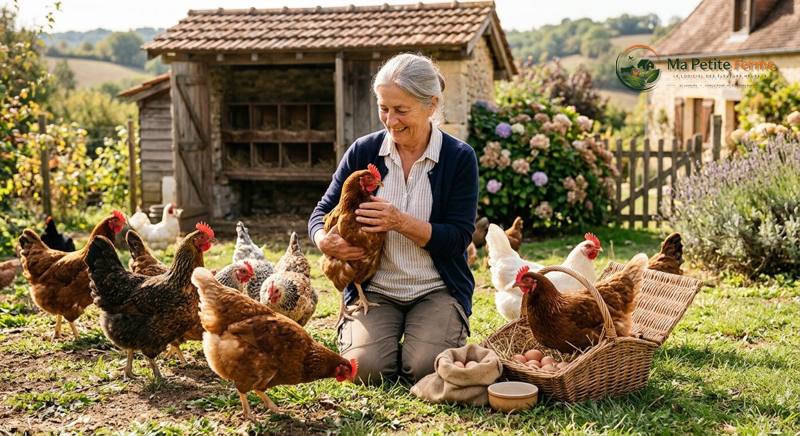
Laying hens: at what age should they be culled and what to do next?
Knowing when to cull your laying hens is essential to optimise the profitability of your flock. Discover the right benchmarks and possible outlets.
Farms in our network — How to Manage a Small Farm: Practical Tips for Small Producers
Get our tips by email
Livestock, production and short-circuit selling — our best tips, no spam.