Managing a small farm without complicated software: our practical tips
By La Rédaction — Ma Petite Ferme · 11/08/2026
Why simplicity is your best ally on the farm
When managing a small farm, every hour counts. Between caring for animals, harvesting, selling, and bookkeeping, it can be tempting to believe that a fully-featured software will solve everything. In reality, many small producers find themselves discouraged by tools that are too complex, which they end up abandoning after a few weeks. The good news? There are tried-and-tested methods for running your farm efficiently, without any headaches.
The logbook: a timeless tool
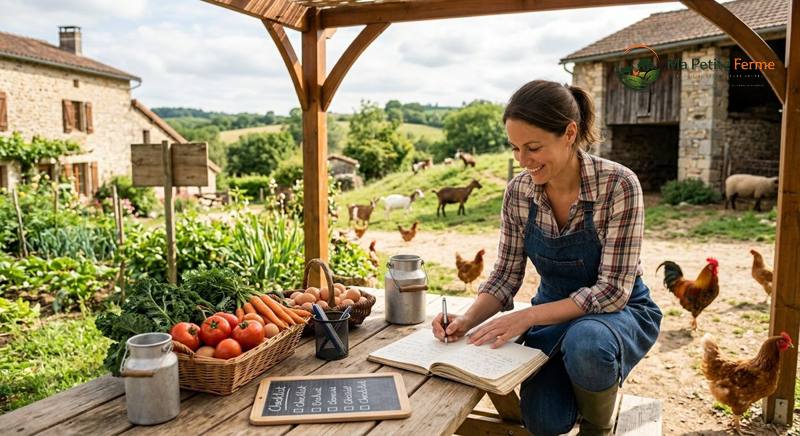
The paper logbook remains one of the most reliable tools for a short-circuit farmer. Use it to record your daily activities, quantities produced, births, veterinary treatments, and sowing done. A simple columned notebook is enough to give you a clear picture of your activity week after week. The advantage? No internet connection needed, no updates, and immediate ease of use. Some producers also use a whiteboard in the barn to display the day's tasks at a glance.
Free spreadsheets to track your finances
For financial management, a spreadsheet such as Google Sheets or LibreOffice Calc can be more than enough for a small operation. Create one tab for your income, another for your expenses, and a third for your stock. Free templates tailored to agriculture are available for download online. The key is to take five minutes each evening to enter the day's sales. This simple habit helps you avoid unpleasant surprises at the end of the month and makes your accountant's job much easier at year-end.
Organising direct sales without overcomplicating things
In farm sales, the customer relationship is paramount. A simple contact file, even on paper, allows you to manage your basket subscribers, recurring orders, or market participants. To communicate with your customers, a WhatsApp group or a Facebook page is often enough to announce current availability, without needing an elaborate online shop. If you want to gradually move towards digital tools, apps such as Ouitype or local direct-sales platforms offer interfaces designed for producers that are intuitive and not time-consuming.
Planning farm tasks with a wall planner
A monthly planner displayed in your kitchen or farm office allows you to anticipate the major milestones of the year: calving periods, pasture rotations, markets, preventive treatments, or supply orders. This type of visual planning also makes it easier to delegate tasks if you work with employees or trainees. Colour-code the categories to make it even more readable.
The key takeaways
Managing a small farm does not necessarily require investing in costly, time-consuming software. Keeping regular notes, maintaining a well-structured spreadsheet, and communicating directly with your customers already constitute solid and professional farm management. Take it one step at a time, adopt the tools that suit you, and do not hesitate to seek support from your local agricultural chamber to receive advice tailored to your situation.
Related articles — Managing a small farm without complicated software: our practical tips
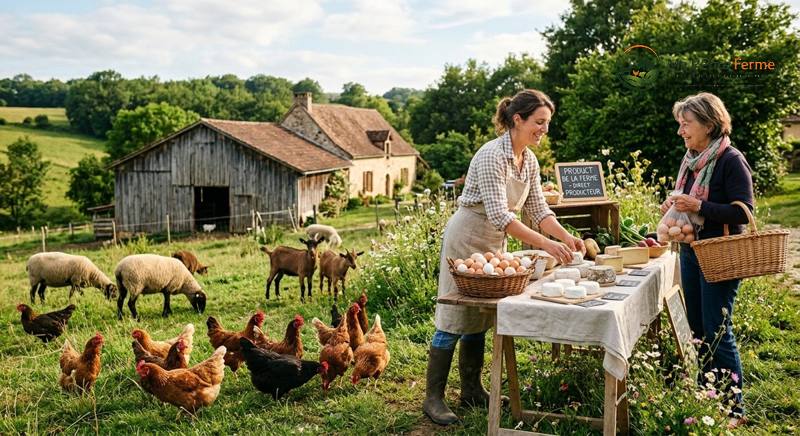
Farm Livestock Raising: A Complete Guide to Getting Started and Succeeding in Short Supply Chains
Discover how to start a profitable farm livestock operation, choose your animals, and successfully sell your production through short supply chains.
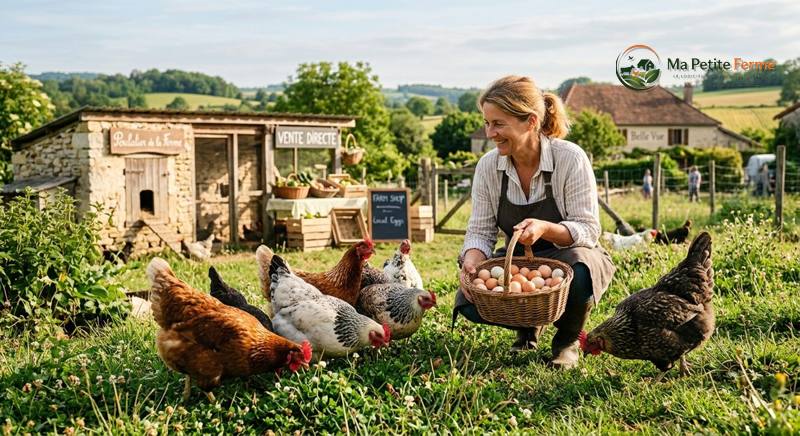
Laying Hens: The Best Breeds for Profitable Short Supply Chain Farming
Discover which laying hen breeds to choose to maximize your egg production and attract customers through direct sales.

Direct farm sales in short supply chains: how to get started depending on your region
Discover how to launch your direct farm sales activity in short supply chains, with advice tailored to each region of France.
Farms in our network — Managing a small farm without complicated software: our practical tips
Get our tips by email
Livestock, production and short-circuit selling — our best tips, no spam.