The Month-by-Month Agricultural Calendar for a Small Farm
By La Rédaction — Ma Petite Ferme · 12/08/2026
January and February: planning time
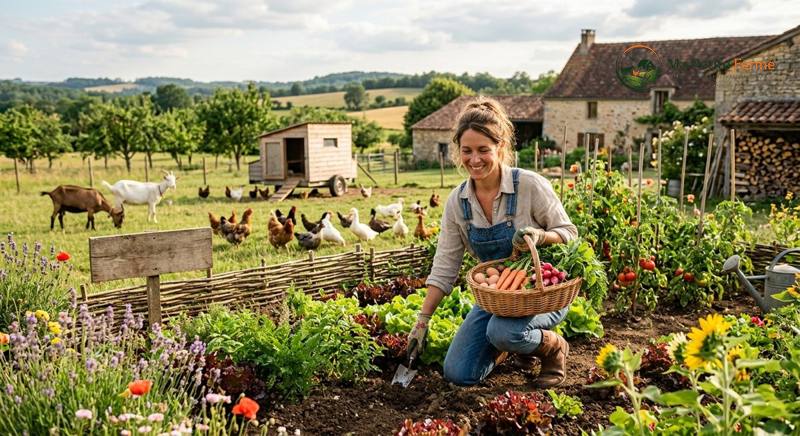
The winter months are precious for small-scale producers. This is the ideal time to order your seeds, service your equipment and prepare your crop rotation plan. On the livestock side, keep a close eye on your animals: ewes and goats often enter their lambing or kidding period. Check your hay and bedding stocks to get through the heart of winter with peace of mind.
March and April: the farm awakens
Spring is just around the corner and work is picking up pace! This is the great season for indoor sowing: tomatoes, peppers, aubergines and squash are started in pots. In the garden, garlic, onions, carrots and radishes can be planted out as soon as the soil has dried sufficiently. On the livestock side, this is the birthing period for many species: lambs, kids, calves and piglets require daily attention and rigorous preventive care.
May and June: peak activity
The days are getting longer — and so is the workload! Outdoor planting is in full swing: put your tomato plants in after the Ice Saints (mid-May). The first harvests are arriving: lettuces, radishes, peas and strawberries are making their appearance on your direct-sales stalls. This is also the ideal time for shearing ewes and taking the first cut of hay. Remember to tend to your hives if you keep bees.
July and August: harvesting and preserving
Summer means abundance. Tomatoes, courgettes, beans, melons and potatoes are harvested in plenty. This is the key moment for short-supply-chain sales: farmers' markets, vegetable box schemes and on-farm sales are running at full capacity. Think about preservation: jars, freezing and drying will allow you to offer processed products throughout the winter. Keep a close watch on your animals' hydration during periods of intense heat.
September and October: preparing for winter
Autumn calls for harvesting the last summer vegetables and establishing winter crops: lamb's lettuce, spinach, turnips and frost-hardy cabbages. It is also apple season, perfect for juice, cider or jam. On the livestock side, renew dewormers and prepare your buildings for overwintering. Build up your stocks of fodder and straw ahead of the cold months.
November and December: taking stock and well-earned rest
Activity slows down but does not stop. This is the season for year-end sales: festive poultry, charcuterie and aged cheeses are in high demand. Take advantage of this period to carry out a financial and agronomic review of your farm, identify areas for improvement and prepare for the coming season. A well-managed calendar is the key to a peaceful and productive farm throughout the year!
Related articles — The Month-by-Month Agricultural Calendar for a Small Farm
Seasonal Farm Task Calendar: Organize Your Farm All Year Round
Discover our comprehensive guide to the seasonal farm task calendar to better plan your activities and optimize your farm.
5 Management Mistakes That Cost Small Farms Dearly
Discover the 5 most common management mistakes made by small producers and how to avoid them to preserve the profitability of your farm.
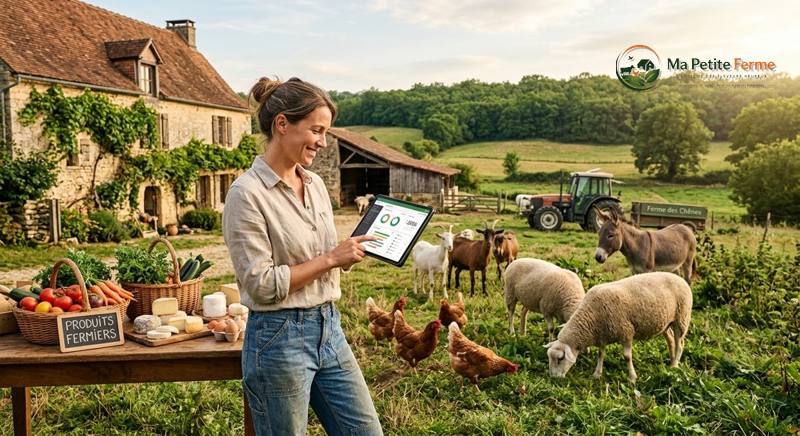
Farm Management Software: Free or Paid, Which Should You Choose in 2026?
Free or paid, which farm management software best suits your operation in 2026? We break it down to help you decide.
Farms in our network — The Month-by-Month Agricultural Calendar for a Small Farm
Get our tips by email
Livestock, production and short-circuit selling — our best tips, no spam.