
Seasonal Farm Task Calendar: Organize Your Farm All Year Round
By La Rédaction — Ma Petite Ferme · 11/08/2026
Why a Seasonal Calendar Is Essential on the Farm
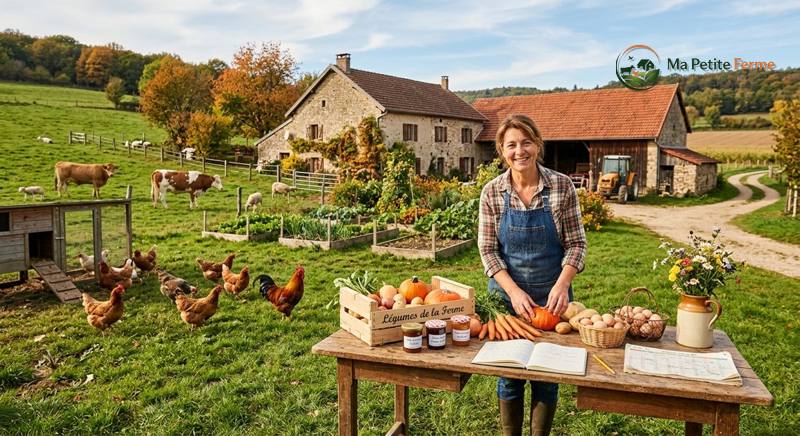
On a farm, every week counts. Between sowing, harvesting, animal care, and administrative management, it is easy to become overwhelmed. A seasonal farm task calendar allows you to visualize all of your activities throughout the year, anticipate busy periods, and never miss a crucial step. It is a valuable management tool, whether you are a market gardener, livestock farmer, or mixed crop-livestock producer.
Spring: The Season of Renewal and Sowing
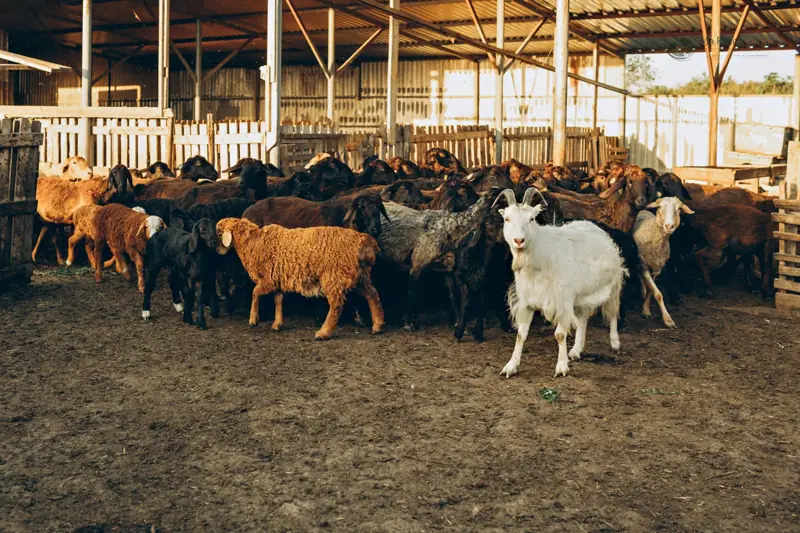
Spring is arguably the most intense period for producers. From March to May, the days grow longer and the soil comes back to life. This is the time to prepare the soil, carry out open-field sowing, plant seasonal vegetables, and carefully monitor the first shoots. In livestock farming, it is also the season for lambing, late calving, and turning animals out to pasture. Remember to check your fences and prepare your pastures before releasing the animals.
Summer: Maintenance, Harvests, and Direct Sales
From June to August, the pace accelerates even further. Harvests follow one after another and short-supply-chain sales must be organized efficiently: farmers' markets, vegetable boxes, on-farm shops, or farm drive-throughs. It is also the ideal time to weed, irrigate carefully during periods of drought, and ensure animal welfare in the face of intense heat. Do not forget to provide sufficient water points and shaded areas for your livestock.
Autumn: Late Harvests and Winter Preparation
September, October, and November are the months of the great harvests: squash, potatoes, beets, apples, and grapes depending on your farming focus. It is also the time to prepare your soil for the following season through green manures and reasoned ploughing. In livestock farming, autumn marks the return to the barn and the building up of fodder stocks. Check your buildings and storage equipment, and plan ahead for your supplementary feed orders.
Winter: Assessment, Training, and Planning
The months of December through February offer a more relaxed pace, ideal for stepping back and reflecting. This is the time to carry out your financial accounting, update your livestock registers, order seeds for the next growing season, and attend training courses. In short supply chains, take the opportunity to work on your communications, update your website, or refresh your social media pages. A well-managed winter means a serene spring.
Our Tips for Using Your Calendar on a Daily Basis
To make the most of your farm planning tool, choose one that suits your way of working: a wall chart, paper diary, or digital application. Record your field observations throughout the seasons to refine your calendar each year. By sharing this document with your employees or apprentices, you improve coordination and reduce oversights. A good seasonal calendar is the foundation of a well-organized and peaceful farm.
Related articles — Seasonal Farm Task Calendar: Organize Your Farm All Year Round
The Month-by-Month Agricultural Calendar for a Small Farm
Discover our comprehensive agricultural calendar guide to organize your sowing, harvests, and animal care throughout the year on your small farm.

Farm Management Software: Free or Paid, Which Should You Choose in 2026?
Free or paid, which farm management software best suits your operation in 2026? We break it down to help you decide.
The 7 Tasks to Track Every Week on a Small Farm
Discover the 7 essential tasks to complete each week to properly manage your small farm and ensure the well-being of your animals and crops.
Farms in our network — Seasonal Farm Task Calendar: Organize Your Farm All Year Round
Get our tips by email
Livestock, production and short-circuit selling — our best tips, no spam.