
The 7 Tasks to Track Every Week on a Small Farm
By La Rédaction — Ma Petite Ferme · 11/08/2026
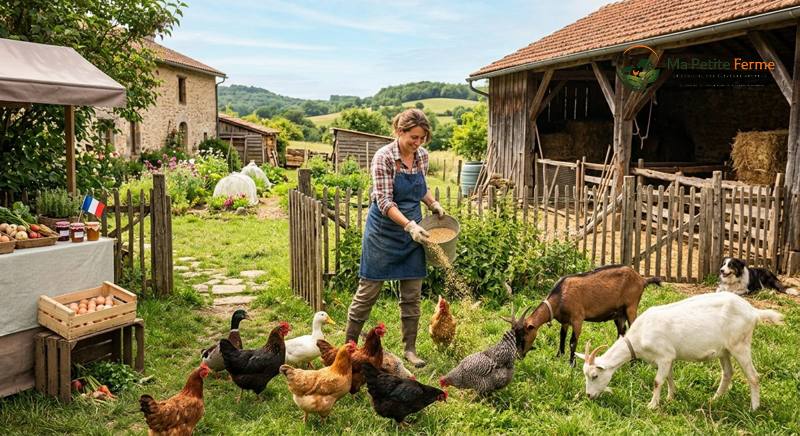
Why is a weekly routine essential on the farm?
Running a small farm means constantly juggling animal care, crop maintenance, sales and bookkeeping. Without organisation, it is easy to become overwhelmed. Establishing a weekly routine allows you to avoid overlooking anything important, reduce stress and work more efficiently. Here are the 7 key tasks to incorporate into your schedule every week.
1. Check your animals' health
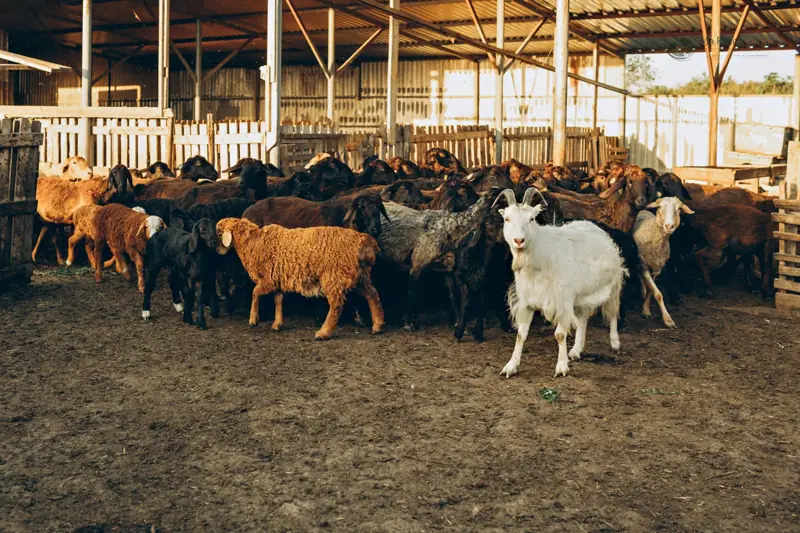
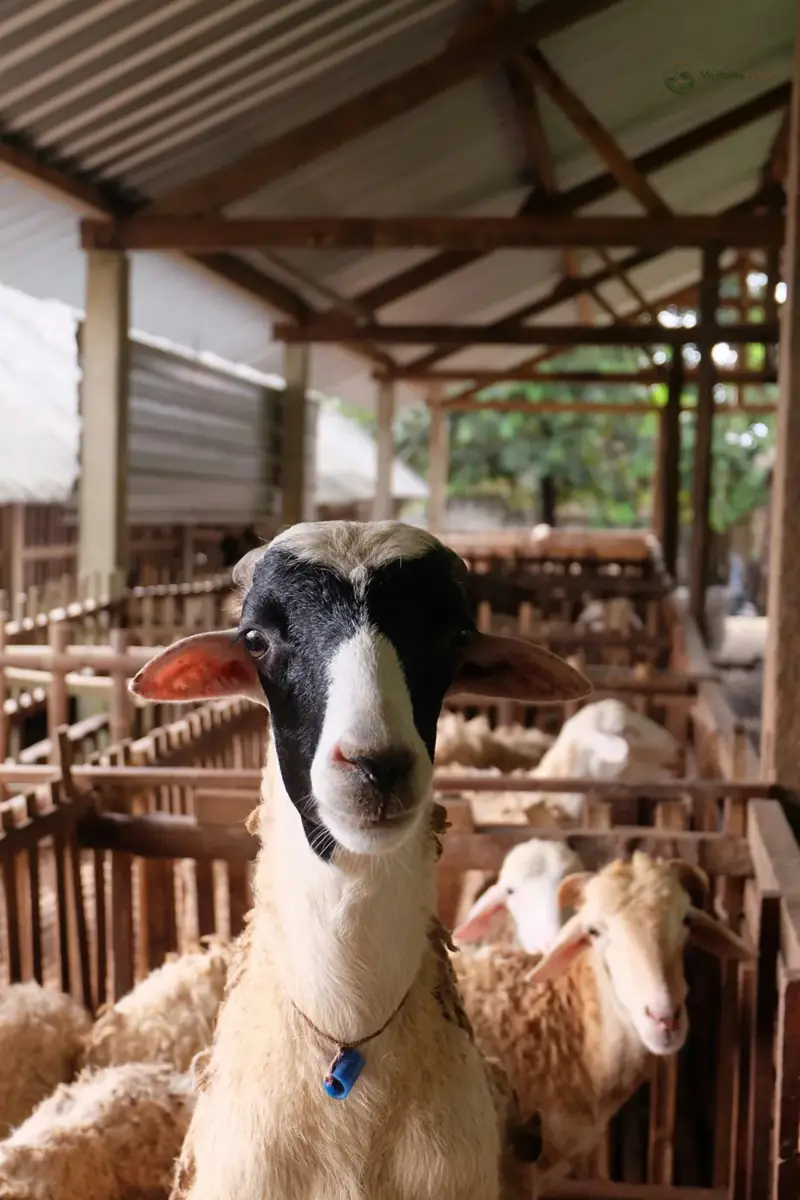
Each week, take the time to observe each of your animals closely. Check their behaviour, appetite, general condition and the quality of their coat or plumage. An animal that is isolated, lethargic or eating less may be a sign of an emerging illness. It is better to detect it early in order to act quickly and prevent it from spreading to the entire herd or flock.
2. Monitor and replenish food and bedding stocks
Do a quick inventory of your reserves of hay, pellets, straw and any other consumables. Anticipating shortages saves you from emergency purchases that are often more costly. It is also a good time to check the quality of stored feed: moisture, mould and the presence of rodents. Healthy feed is the foundation of productivity and animal welfare.
3. Maintain fences and shelters
A faulty fence or a damaged shelter can be very costly: animals escaping, injuries, predator intrusion. Each week, do a quick tour of your facilities. Note what needs repairing and prioritise anything that poses an immediate danger. This regular habit protects your investment over the long term.
4. Tend to crops and the kitchen garden
If you grow vegetables or field crops, the week is the ideal unit of time for weeding, watering, staking or applying preventive treatments. Observe the condition of your plants and look for signs of pests or disease. In local market gardening, consistency is the key to uniform, quality production, which is highly valued by your customers in short supply chains.
5. Prepare and organise your sales
Whether you sell at a market, through a community-supported agriculture scheme, a farm drive-through or directly on the farm, each week requires commercial organisation. Prepare your orders, label your products, check your stock available for sale and communicate on your social media channels. A good online presence, even simple and authentic, builds customer loyalty and attracts new ones.
6. Update your farm log or register
Traceability is a regulatory requirement in many areas (livestock farming, direct sales, organic farming). Set aside time each week to record your veterinary interventions, treatments, and animal entries and exits. This rigorous record-keeping also makes your life easier during inspections and helps you analyse your performance.
7. Step back and plan the following week
Finally, allow yourself a moment to take stock. What worked well? What needs to be improved? List the priority tasks for the week ahead. This simple habit allows you to remain calm, proactive and focused on your goals as a producer. A well-managed farm is also a farm where it is good to work!
Related articles — The 7 Tasks to Track Every Week on a Small Farm
The Essential Tools for a Small Family Farm
Discover the essential tools to equip your small family farm and improve your daily efficiency without breaking the bank.

5 Management Mistakes That Cost Small Farms Dearly
Discover the 5 most common management mistakes made by small producers and how to avoid them to preserve the profitability of your farm.
The Month-by-Month Agricultural Calendar for a Small Farm
Discover our comprehensive agricultural calendar guide to organize your sowing, harvests, and animal care throughout the year on your small farm.
Farms in our network — The 7 Tasks to Track Every Week on a Small Farm
Get our tips by email
Livestock, production and short-circuit selling — our best tips, no spam.