My small farm: how to launch and grow your agricultural project with direct sales
By La Rédaction — Ma Petite Ferme · 02/08/2026
Why starting your own small farm is a more accessible project than you might think
Every year, hundreds of aspiring entrepreneurs take the plunge and bring their farming dream to life. A small farm, even on just a few hectares, can become a genuine and fulfilling source of steady income. From market gardening and poultry farming to dairy production and beekeeping, there are countless possibilities for building a model that suits you. The key is to prepare your project thoroughly in advance, by assessing the available resources, the local market, and your own skills.
Choosing your production based on your land and your goals
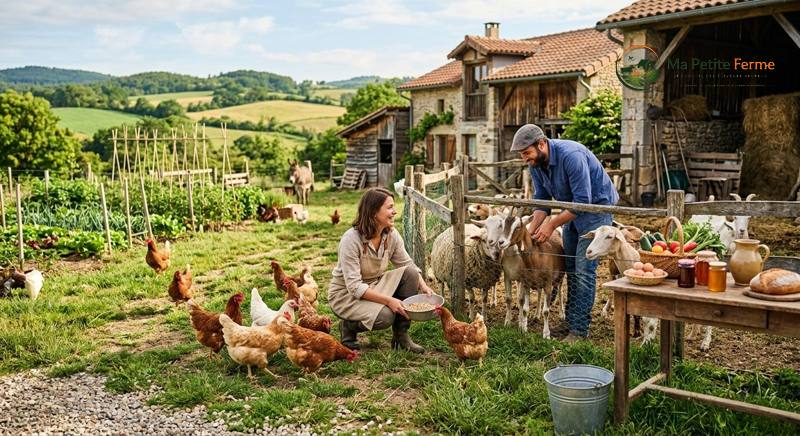
Before planting your first vegetable or welcoming your first animals, it is essential to carefully analyze your land. Soil type, sun exposure, available surface area, and water access are all determining factors. A small mixed farming operation often allows you to diversify your income streams while making the most of the synergies between different workshops. For example, animal waste enriches the soil in the vegetable garden, while crop residues feed the animals. This synergy lies at the heart of sustainable peasant farming.
Small-scale livestock farming: choosing the right species
For a first livestock operation on a small farm, certain species are particularly well suited to beginners. Laying hens provide daily eggs with minimal constraints. Rabbits, ducks, and free-range pigs are also interesting options for producing meat to sell through direct sales. Dairy goats, meanwhile, appeal to those who wish to venture into artisan cheesemaking. Whatever species you choose, animal welfare must remain a priority: healthy animals produce better and represent a genuine selling point with consumers.
Selling through short supply chains: the small farm's greatest asset
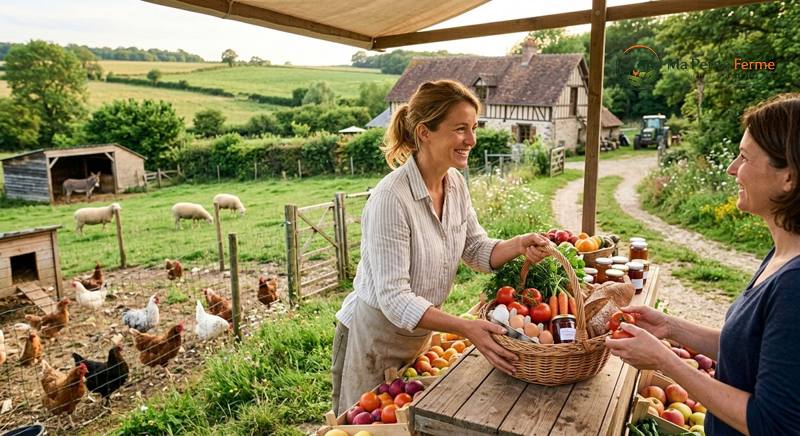
Selling through short supply chains is undoubtedly one of the most powerful ways to make a small farm profitable. By eliminating intermediaries, you capture a greater share of the added value of your products. Farmers' markets, weekly vegetable boxes (such as CSA schemes), on-farm sales, and local grocery stores are all outlets worth exploring. Digital tools play an essential role today: a social media page or a simple website can help you build a loyal local customer base and tell the story of your farm. This closeness to your buyers creates a valuable bond of trust.
Building the right support network to make your farm project a success
Going it alone can prove discouraging. Fortunately, many organizations support new farmers: agricultural chambers, farmer groups, agricultural incubators, and networks such as CIVAM. Taking part in hands-on training with experienced farmers is also a highly recommended step before setting up. Building your small farm gradually, workshop by workshop, helps limit financial risk and allows you to learn at your own pace. With hard work, passion, and good organization, your small farm can become a wonderful human and economic adventure.
Related articles — My small farm: how to launch and grow your agricultural project with direct sales
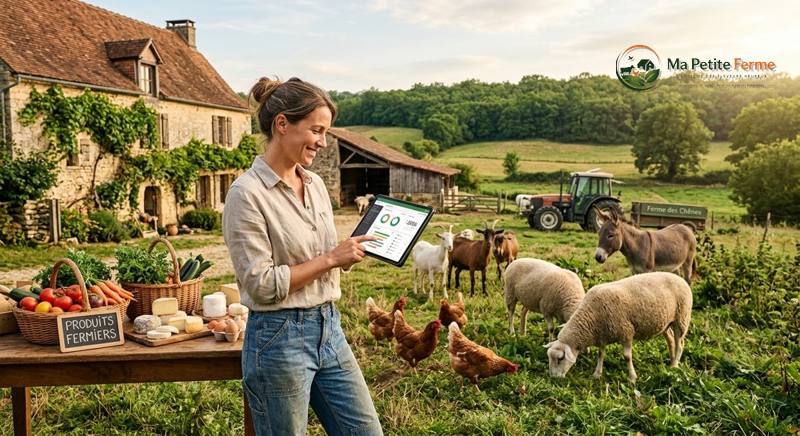
Farm Management Software: Free or Paid, Which Should You Choose in 2026?
Free or paid, which farm management software best suits your operation in 2026? We break it down to help you decide.
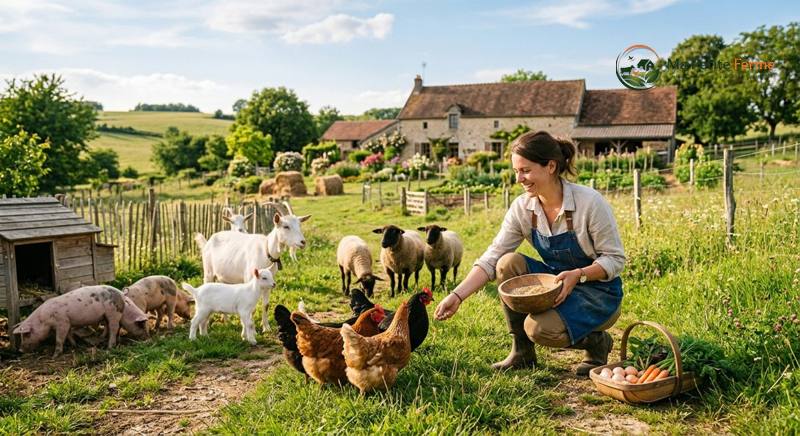
Starting a Small Farm Livestock Operation: The Complete Guide for Beginners
Dreaming of starting a livestock operation on a small farm? Discover our practical tips to get started with confidence and avoid common mistakes.
How to Start a Small Farm: The Complete Guide for New Farmers
Dreaming of starting your own small farm? Discover our essential tips to get off to a great start, avoid common mistakes, and make your farming project a success.
Farms in our network — My small farm: how to launch and grow your agricultural project with direct sales
Get our tips by email
Livestock, production and short-circuit selling — our best tips, no spam.