
End-of-cycle laying hens: how to sell them through direct sales instead of writing them off
By La Rédaction — Ma Petite Ferme · 07/10/2026
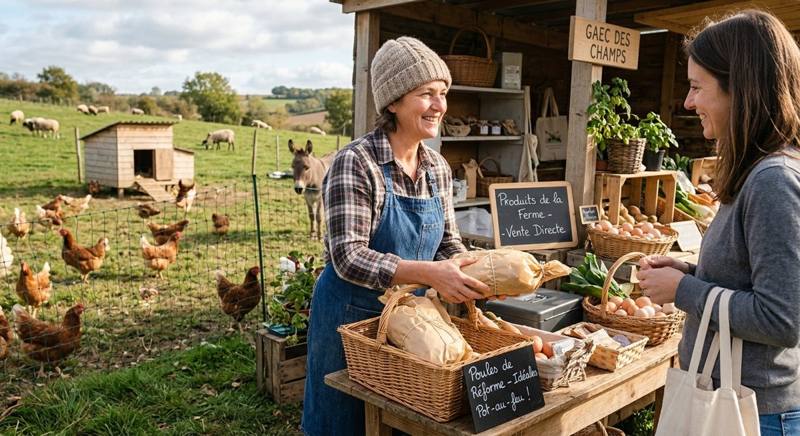
Why spent hens are often undervalued
On many poultry farms, laying hens reaching the end of their cycle — typically after 12 to 18 months of production — are seen as a cost rather than an opportunity. Too often, they are sold for next to nothing to renderers or through poorly rewarding industrial channels. Yet these animals represent real market value when properly marketed, particularly through direct farm sales or short supply chains.
The spent hen: an authentic product that appeals to consumers
Spent laying hens have firm, flavourful and fragrant meat, ideal for slow cooking: pot-au-feu, homemade broth, poule au pot, stew or tagine. This is exactly what lovers of traditional cuisine and consumers seeking authentic products from local farms are looking for. By capitalising on these distinctive qualities, you transform an animal at the end of its productive life into a genuine selling point.
Different direct sales outlets
Several options are available to you for selling your spent hens without going through intermediaries:
Farm gate sales remain the simplest and most profitable solution. Offer your hens whole, gutted or not, fresh or frozen. Communicate clearly about their age, their rearing conditions and the recommended cooking methods. Customers who regularly buy eggs from your farm will often be the first buyers.
Producers' markets are an excellent outlet. An attractive presentation, a recipe card offered with each bird and a few words about the story behind these hens are often enough to win over curious and committed buyers.
Local restaurants are an often overlooked outlet. Chefs and restaurateurs appreciate characterful poultry for their broths and slow-cooked dishes. Do not hesitate to contact establishments in your area directly.
Community-supported agriculture schemes and farm boxes can also include your spent hens in occasional orders, particularly in autumn and winter, seasons well suited to casseroles and braised dishes.
How to set the right price and communicate effectively
The selling price of a spent hen must take into account the slaughter cost, presentation and your margin. For direct sales, a range of 6 to 12 euros per kilogram live weight or carcass is common depending on the region and certifications. Highlight the fact that your hens have spent several months outdoors, that they have produced healthy eggs and that they deserve to be put to good culinary use. This message resonates with consumers who are mindful of animal welfare and opposed to food waste.
A few practical tips for getting started
Make sure you carefully check the regulations relating to on-farm slaughter: the sale of poultry slaughtered on the farm is governed by annual thresholds defined by French regulations. Seek advice from your local chamber of agriculture or your producer group. With a little organisation and good local communication, your spent hens can become a worthwhile source of supplementary income and strengthen your image as a committed producer.
Related articles — End-of-cycle laying hens: how to sell them through direct sales instead of writing them off
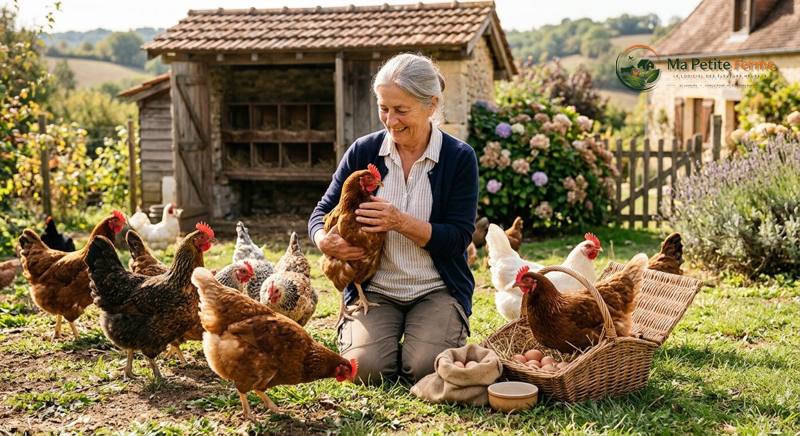
Laying hens: at what age should they be culled and what to do next?
Knowing when to cull your laying hens is essential to optimise the profitability of your flock. Discover the right benchmarks and possible outlets.
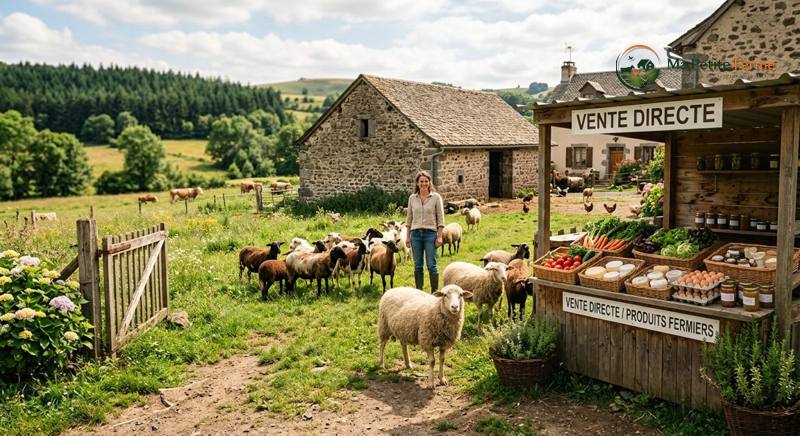
How to Find a Farm Selling Direct Near You: Our Practical Tips
Discover our practical advice to easily find a farm selling direct near you and shop local with confidence.
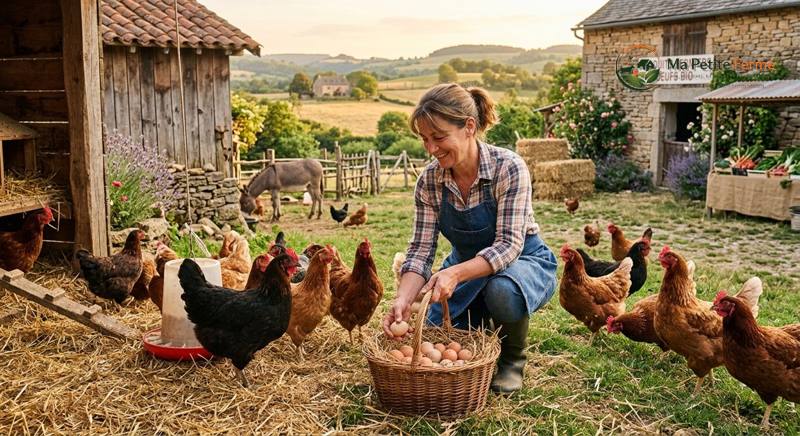
Laying hen farming in Aveyron: testimonials and advice from local producers
Discover the secrets of Aveyron farmers to succeed in your laying hen farming and sell your eggs through short supply chains.
Farms in our network — End-of-cycle laying hens: how to sell them through direct sales instead of writing them off
Get our tips by email
Livestock, production and short-circuit selling — our best tips, no spam.