Direct farm sales in short supply chains: how to get started depending on your region
By La Rédaction — Ma Petite Ferme · 09/09/2026
Why get into direct farm sales?
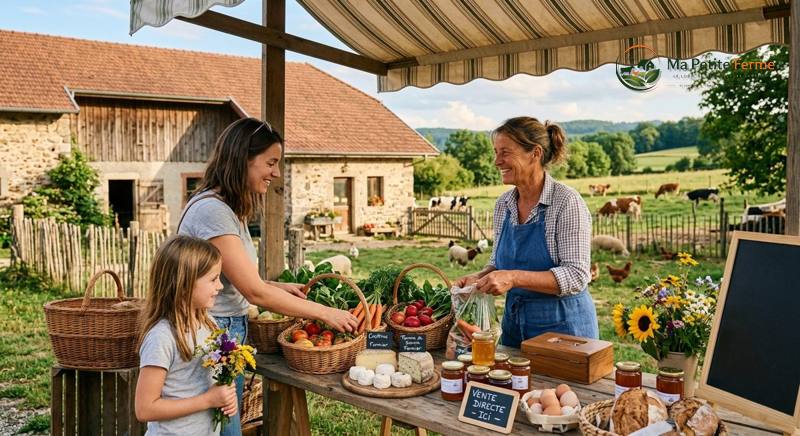
Direct farm sales are attracting a growing number of producers. It allows you to get fair value for your work, build a close relationship with your customers, and significantly improve your margins. By cutting out intermediaries, you retain control over your prices and your image. It is also a concrete response to the growing consumer demand for local, fresh, and traceable products. But to succeed, you need to plan your project carefully, particularly by taking into account the specific characteristics of your territory.
Regulations you need to know before starting
Before opening your farm shop, certain administrative steps are essential. You must declare your direct sales activity to the Departmental Directorate for the Protection of Populations (DDPP). If you offer products of animal origin — meat, milk, eggs, cheeses — strict health regulations apply: health approval, compliant facilities, and rigorous traceability. You should also contact your departmental Chamber of Agriculture, which often provides free support and training specifically tailored to short supply chains.
Adapting to regional specificities
The success of a short supply chain activity depends largely on the local context. In Île-de-France or in regional metropolitan areas, proximity to large population centres is a real advantage: farmers' markets, AMAPs, and farm drive-throughs work very well. On the other hand, in rural or mountainous areas — such as Auvergne, the Alps, or the Pyrenees — it is better to focus on agritourism, seasonal markets, and online sales with grouped deliveries. In wine-growing or market-gardening regions such as the Loire Valley or Provence, the local terroir is a powerful selling point to highlight in your communications.
Choosing the right sales channels
Several formats are available to you for selling direct. The farm shop remains the most immersive solution: it invites customers to discover your farm and builds trust. Local markets, meanwhile, allow you to quickly reach a diverse customer base. Farm drive-throughs and online sales with on-site collection are booming and work very well for more isolated farmers. Finally, joining a producer group or a short supply chain platform such as "La Ruche qui dit Oui" can boost your visibility without placing too much strain on your organisation.
Communicating effectively to build customer loyalty
Once you are up and running, your success will also depend on your ability to get people talking about you. Create a social media page to share life on your farm, your seasons, and your latest news. A simple website featuring your opening hours, your story, and your products is now essential. Word of mouth, however, remains the local producer's best ally: every satisfied customer is a potential ambassador. Pay close attention to your welcome, your labelling, and the presentation of your products to leave a lasting impression.
Related articles — Direct farm sales in short supply chains: how to get started depending on your region
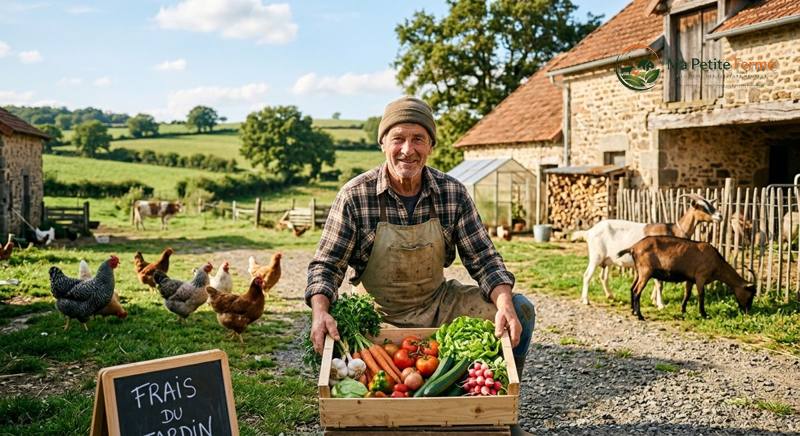
Farmer: a passion-driven profession at the heart of our food supply
Discover the daily life of a farmer, their challenges, their joys, and their essential role in our food system and rural territories.
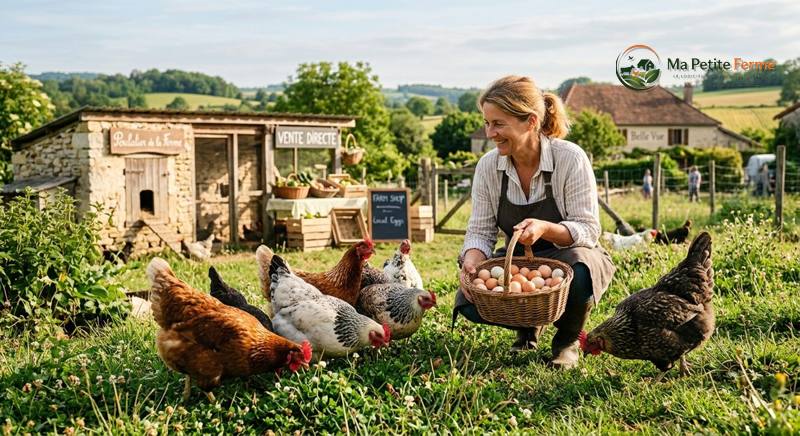
Laying Hens: The Best Breeds for Profitable Short Supply Chain Farming
Discover which laying hen breeds to choose to maximize your egg production and attract customers through direct sales.
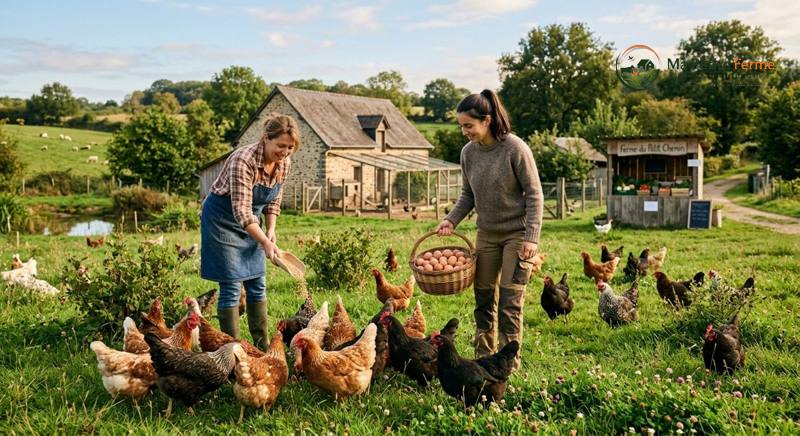
Free-range laying hens: the method winning over short supply chain buyers
Discover why raising your laying hens free-range boosts your short supply chain sales and builds lasting loyalty among your local customers.
Farms in our network — Direct farm sales in short supply chains: how to get started depending on your region
Get our tips by email
Livestock, production and short-circuit selling — our best tips, no spam.