Guinea Pig: Life Expectancy and Tips for a Long, Healthy Life
By La Rédaction — Ma Petite Ferme · 11/08/2026
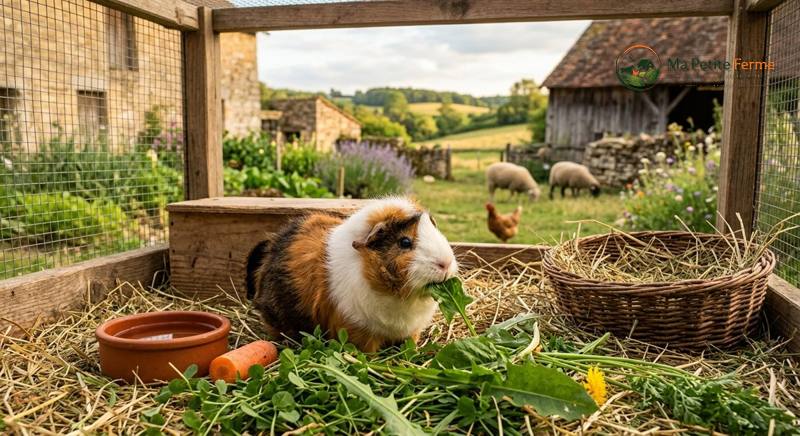
What is the life expectancy of a guinea pig?
The guinea pig, also known as a cavy, is a small, endearing and sociable animal that appeals to families and amateur breeders alike. On average, its life expectancy ranges between 4 and 7 years. Some particularly well-cared-for individuals can reach 8 to 10 years, which remains exceptional. This longevity depends closely on the quality of care provided, diet, living environment, and the animal's genetics.
Factors that influence a cavy's longevity
Several elements play a determining role in your guinea pig's lifespan. First and foremost, diet is paramount: the cavy requires a daily intake of vitamin C, which it cannot synthesise on its own. Quality hay must form the basis of its diet, supplemented by fresh vegetables such as bell pepper, parsley, or lettuce. Specific guinea pig pellets can also enrich its daily ration.
Next, housing directly influences its health. A spacious, clean, well-ventilated cage, sheltered from draughts and extreme temperatures, allows it to thrive fully. The guinea pig is very sensitive to cold and excessive heat. Ideally, the ambient temperature should remain between 18 and 22°C.
The importance of group living for the cavy
The guinea pig is a deeply gregarious animal. Raised alone, it can suffer from chronic stress that significantly reduces its life expectancy. It is strongly recommended to keep it in the company of at least one fellow guinea pig of the same sex, or within a neutered group. Social interactions stimulate its mental and physical well-being, and contribute to a longer, more balanced life.
Veterinary monitoring, a precious ally
Even though the guinea pig may seem robust, it is prone to certain common illnesses such as respiratory infections, dental problems, ovarian cysts in females, and parasites. Regular veterinary check-ups, at least once a year, allow any abnormality to be detected quickly and addressed before the situation worsens. Do not wait for your animal to show obvious signs of suffering: in guinea pigs, symptoms can be subtle until an advanced stage.
Farmed or pet guinea pigs: similar needs
Whether you raise cavies in a farming context or keep them as pets, their fundamental needs remain identical. A suitable diet, a comfortable living space, a fulfilling social life, and rigorous health monitoring are the pillars of a long life for your cavy. By taking care of these essential aspects from the outset, you maximise your chances of sharing many years with this animal full of character and affection.
Related articles — Guinea Pig: Life Expectancy and Tips for a Long, Healthy Life
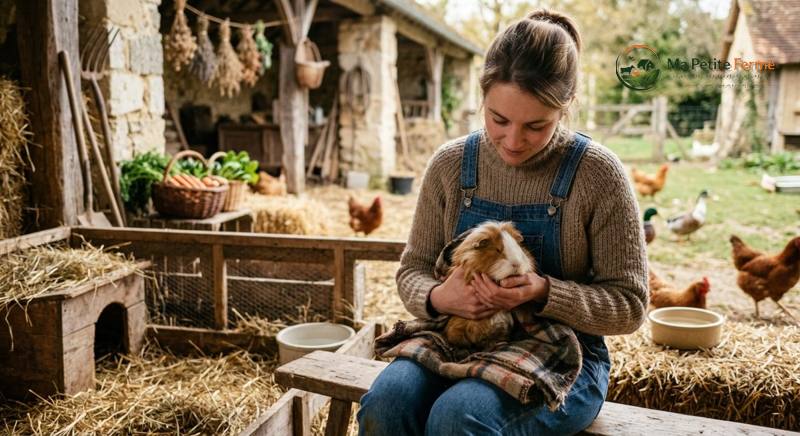
How Does a Guinea Pig Die: Natural Causes and Signs to Know
Understanding how a guinea pig dies helps you better monitor its health and act quickly when a problem arises.
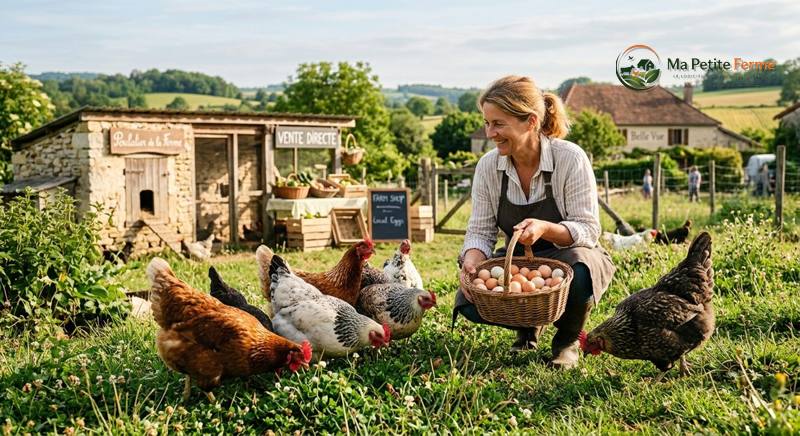
Laying Hens: The Best Breeds for Profitable Short Supply Chain Farming
Discover which laying hen breeds to choose to maximize your egg production and attract customers through direct sales.
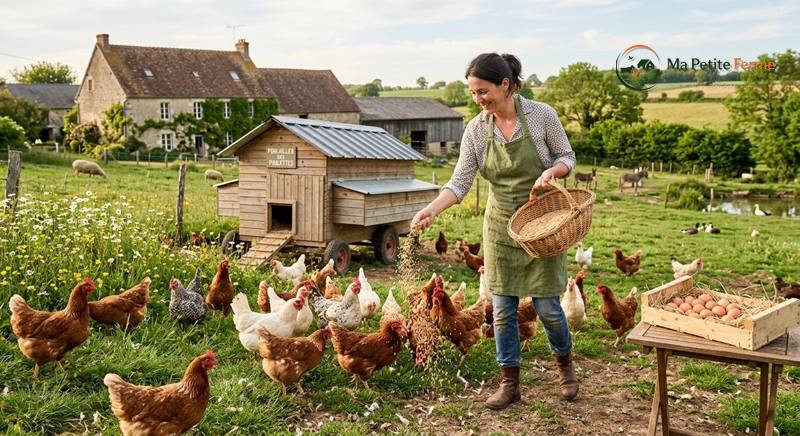
Free-range laying hen farming: what does it really cost?
Discover the real cost of free-range laying hen farming: investments, ongoing expenses and return on investment for small-scale producers.
Farms in our network — Guinea Pig: Life Expectancy and Tips for a Long, Healthy Life
Get our tips by email
Livestock, production and short-circuit selling — our best tips, no spam.