
Finding laying hens for sale near you: the right reflexes before buying
By La Rédaction — Ma Petite Ferme · 21/10/2026
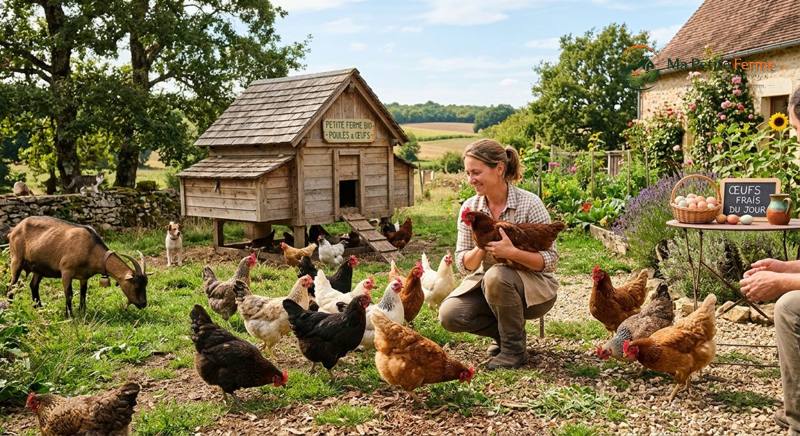
Why buy laying hens through short supply chains?
Turning to a local breeder to acquire laying hens offers many advantages. You know the origin of the animals, you can visit the farm and ask all your questions face to face. The hens have often suffered less from transportation, which makes it easier for them to acclimatise to their new henhouse. Buying locally also means supporting nearby agriculture and building lasting relationships with passionate producers.
Where to look for laying hens for sale near you?
Good addresses are plentiful if you know where to look. Start by checking out farmers' markets and agricultural fairs in your region: breeders are often present and happy to chat. Notice boards at town halls, bakeries and agricultural cooperatives remain reliable options in rural areas. Online platforms specialising in farm sales also allow you to quickly locate listings from individuals or professionals close to your home. Finally, Facebook groups and forums dedicated to backyard poultry are a goldmine of information for poultry enthusiasts.
Essential criteria for choosing a good breeder
Before any purchase, take the time to visit the farm if possible. A serious breeder will welcome you willingly and will have nothing to hide. Observe the living conditions of the animals: the hens should have sufficient space, access to the outdoors and clean bedding. Do not hesitate to ask whether the poultry has been vaccinated against the main avian diseases, such as Marek's disease. Also find out about the feeding practices used: grains, mineral supplements, access to pasture… all factors that directly influence the quality of the eggs you will collect.
How to recognise a healthy laying hen?
To the naked eye, a healthy hen has shiny, full plumage, bright and alert eyes, a well-developed red comb and strong legs. She should be active, curious and able to move without difficulty. Be wary of lethargic animals with dull plumage or discharge around the beak and eyes: these signs may indicate a respiratory disease or prolonged stress. Also remember to check the hen's age: a pullet of 18 to 20 weeks, described as "ready to lay", will guarantee quick and regular production from the moment she is settled in.
Precautions to take before introducing new poultry
Introducing new hens into an existing henhouse must be done methodically. Plan a quarantine period of at least one week in a separate space to avoid transmitting any diseases to your current flock. Check that your henhouse is well secured against predators and offers enough room to accommodate the new arrivals. A gradual introduction, during the day and under supervision, will limit the risk of pecking and aggression linked to the flock's natural hierarchy.
Related articles — Finding laying hens for sale near you: the right reflexes before buying
Laying hens: how to set the right selling price depending on your region
Setting the price for your laying hens is not an exact science, but with the right methods, you will sell at the fair price anywhere in France.
Jardiland, Gamm Vert or local breeder: where to buy laying hens at the best price?
Are you looking to start raising laying hens? Find out where to buy them to combine quality, health, and a controlled budget.
How Many Laying Hens Do You Need to Live from Selling Eggs Through Short Supply Chains?
What size laying hen flock do you need to generate a viable income through direct sales? Discover our practical advice for small-scale producers.
Farms in our network — Finding laying hens for sale near you: the right reflexes before buying

Get our tips by email
Livestock, production and short-circuit selling — our best tips, no spam.