
How to Get Hens to Lay Eggs: Our Tips to Optimize Egg Production
By La Rédaction — Ma Petite Ferme · 02/08/2026
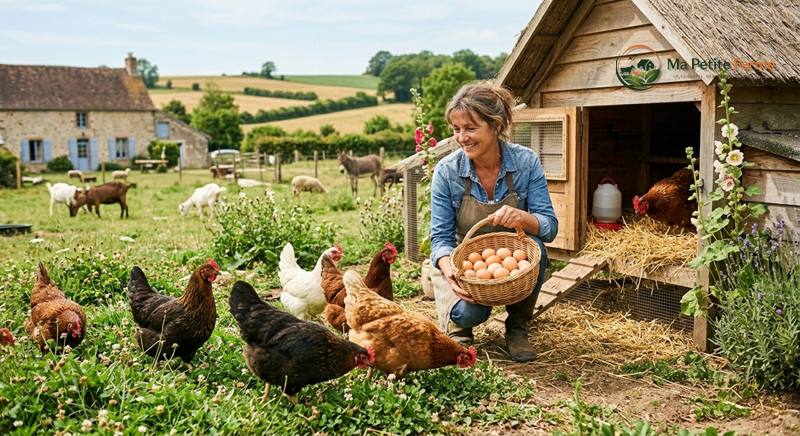
Understanding the natural laying cycle of hens
Before seeking to optimize egg production, it is essential to understand how laying works. A hen begins to lay around the age of 18 to 22 weeks, depending on the breed. Her production is directly influenced by the length of daylight: a hen needs approximately 14 to 16 hours of light per day to lay regularly. This is why laying naturally decreases in autumn and winter, when the days grow shorter.
Feeding, the key to good laying
A suitable diet is the primary lever for getting your hens to lay optimally. Offer them a balanced ration rich in protein (between 15 and 18%), calcium, and vitamins. Calcium is essential for shell formation: make sure to provide crushed oyster shells or limestone freely available. Grains alone are not enough: supplement with a complete commercial layer feed or leftover vegetables, earthworms, and insects if your hens are kept outdoors. A well-fed hen can produce up to 300 eggs per year.
Taking care of the living conditions in the henhouse
The comfort of your hens has a direct impact on their production. Make sure your henhouse is clean, well-ventilated, and free from drafts. Provide one nesting box per group of 4 to 5 hens, lined with fresh straw and placed in a quiet, slightly dark spot: hens like to lay away from prying eyes. Collect eggs daily to prevent hens from developing bad habits such as egg pecking. Sufficient living space — at least 1 m² per hen indoors and 4 m² outdoors — reduces stress and encourages regular laying.
Managing lighting to maintain laying in winter
To compensate for the lack of natural light during the cold season, you can install a low-energy light bulb in the henhouse. The goal is to reach 16 hours of daily light by artificially extending the day in the morning or evening. Gradually increase the lighting duration, in increments of 30 minutes per week, so as not to disturb your animals. This simple technique helps maintain a decent level of production throughout the year.
Preventing causes of laying drops
Several factors can abruptly stop or reduce laying: stress, sudden changes in diet, illness, the presence of predators, or the annual molt. During the molt, hens lose their feathers and focus their energy on renewing their plumage rather than on egg production. This is a normal phenomenon that lasts 6 to 8 weeks. Also remember to deworm your hens regularly and to watch for the appearance of parasites such as red mites, which severely disrupt laying. By taking care of your hens on a daily basis, you will give yourself every chance of achieving an abundant and consistent egg production.
Related articles — How to Get Hens to Lay Eggs: Our Tips to Optimize Egg Production
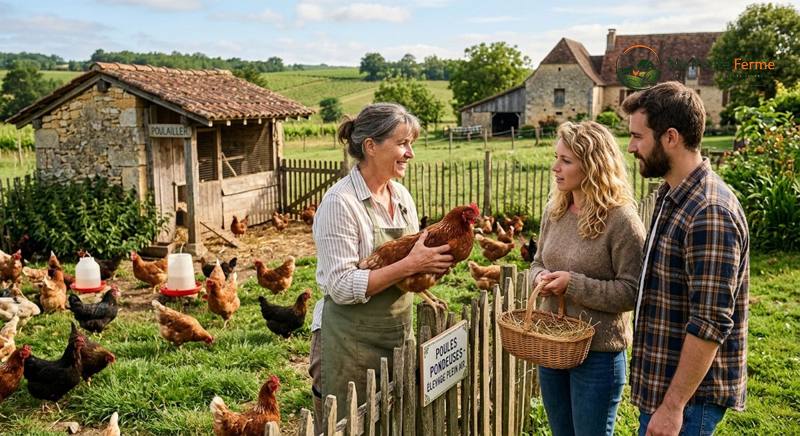
Where to buy laying hens near you: the practical guide
Discover all the best places to buy quality laying hens near you: local breeders, markets, pet stores and much more.
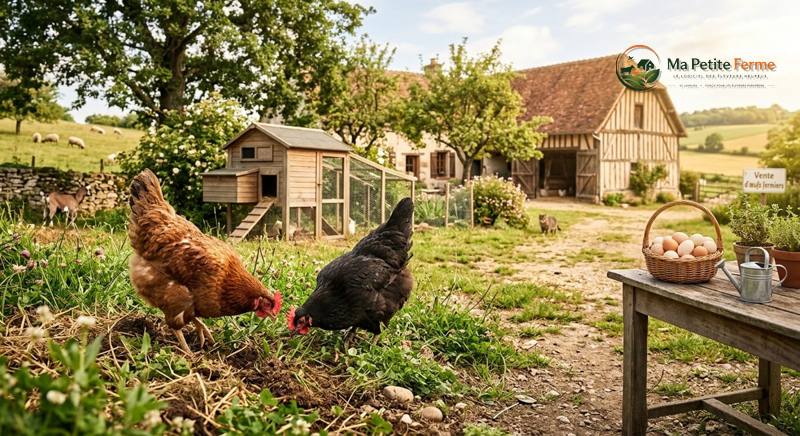
Spent laying hens: everything you need to know before buying
Buying spent laying hens can be a great deal… if you know what you're doing. Discover our tips before you take the plunge.
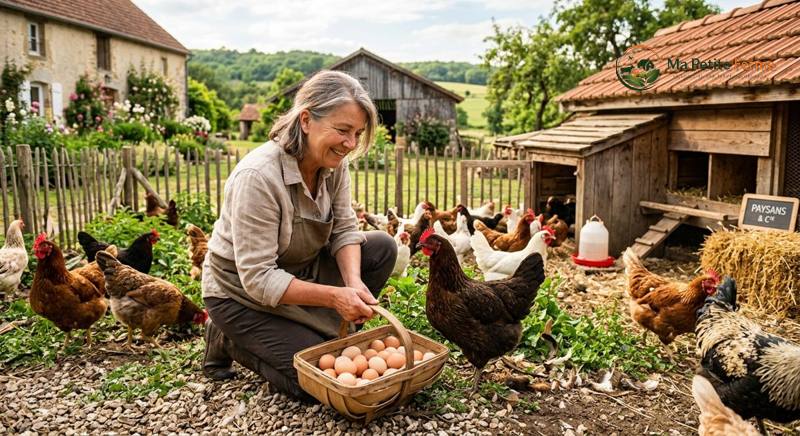
Which laying hen breed should you choose to maximize production?
Discover the best laying hen breeds to optimize your egg production in farm poultry keeping and make the right choices for your situation.
Farms in our network — How to Get Hens to Lay Eggs: Our Tips to Optimize Egg Production

Get our tips by email
Livestock, production and short-circuit selling — our best tips, no spam.