How to sell your spent laying hens on Le Bon Coin: a step-by-step guide
By La Rédaction — Ma Petite Ferme · 16/09/2026
Why sell your spent hens on Le Bon Coin?
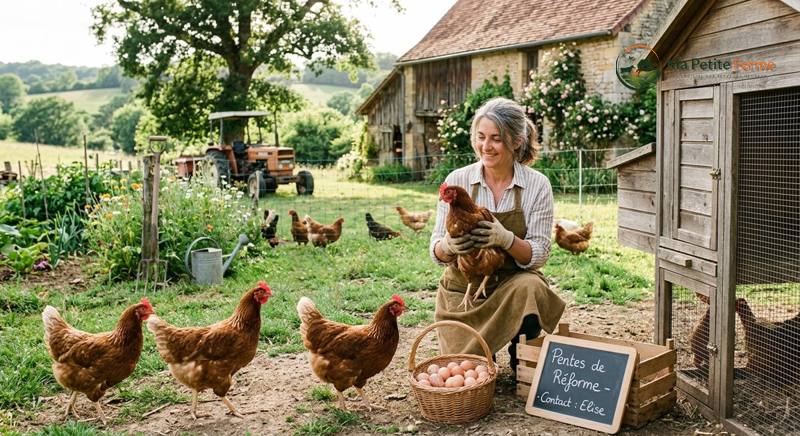
Every year, many farmers face the same question: what to do with laying hens at the end of their production cycle? Selling directly on Le Bon Coin is an excellent solution to add value to these animals, generate supplementary income and avoid any waste. The platform has millions of active users, a large proportion of whom are looking for hens for their garden or family farmyard. It is therefore a natural and accessible outlet for small producers operating through short supply chains.
Preparing your listing: essential information to include
A well-written listing makes all the difference. Start by specifying the breed of your hens, their approximate age and their general state of health. Clearly indicate that these are spent hens, meaning animals whose egg production naturally declines after 18 to 24 months. Be transparent about this: buyers appreciate honesty and you will avoid any misunderstandings. Also mention whether your hens were free-range, organically farmed or fed without GMOs, as these are genuine commercial advantages.
Taking attractive photos to showcase your animals
Photos are the first thing buyers look at. Take your pictures in full natural light, preferably in the morning. Photograph your hens in their usual environment: the henhouse, the outdoor run or while pecking around. Sharp, bright images inspire confidence and encourage people to contact you. Add one to three good-quality photos to maximise the impact of your listing.
Setting the right price for your laying hens
The selling price of a spent hen generally ranges from 3 to 8 euros per animal depending on the breed, farming method and region. A hen from an organic or free-range farm will naturally sell for more. Check similar listings in your department to position yourself correctly. If you are selling in batches, offer a sliding-scale price to encourage bulk purchases. This will allow you to move your stock more quickly.
Managing enquiries and organising handovers
Once your listing is published, messages will start arriving quickly. Respond promptly, ideally within 24 hours, so as not to lose potential buyers. Organise collection time slots at your farm to group visits together and make the best use of your time. Have boxes or transport crates on hand that buyers can use on site. This small added service is always greatly appreciated and reinforces your image as a serious and welcoming producer.
Complying with regulations for the sale of live poultry
The sale of live poultry between private individuals or through short supply chains is regulated. Contact your local Departmental Directorate for the Protection of Populations (DDPP) to find out about the health requirements in force in your department. In areas subject to avian influenza restrictions, certain rules may apply. Complying with these regulations protects you and reassures your buyers.
Related articles — How to sell your spent laying hens on Le Bon Coin: a step-by-step guide
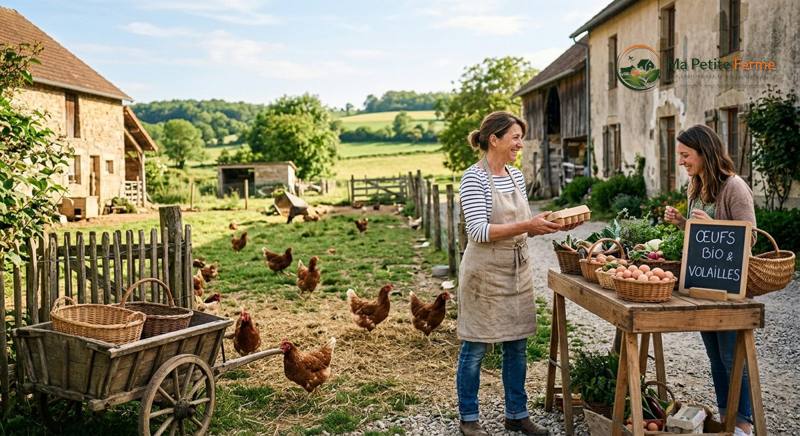
End-of-cycle laying hens: where and how to sell them near you?
Discover all the solutions to sell your end-of-cycle laying hens at the best price, directly from your farm.
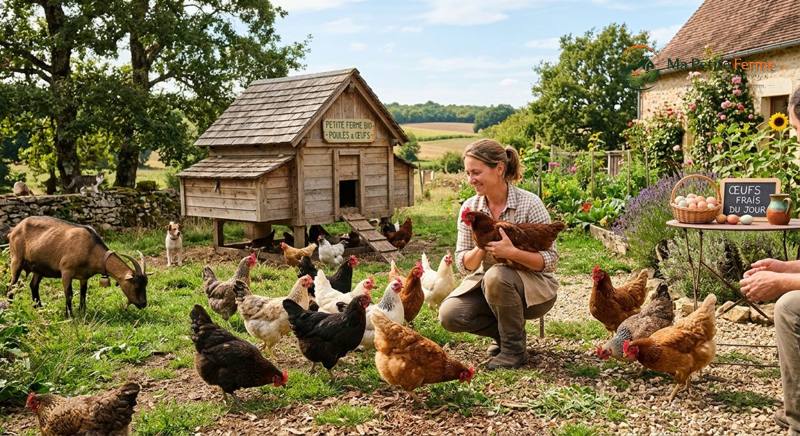
Finding laying hens for sale near you: the right reflexes before buying
Looking for laying hens close to home? Discover our practical tips for buying healthy poultry and choosing the right local breeder.
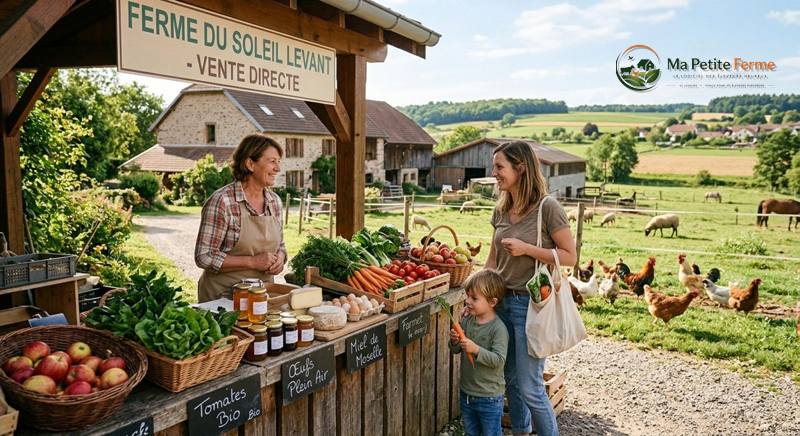
Direct farm sales in Moselle: regulations, market opportunities and first customers
Everything you need to know to launch your direct farm sales activity in Moselle: legal framework, promising markets and tips for finding your first buyers.
Farms in our network — How to sell your spent laying hens on Le Bon Coin: a step-by-step guide
Get our tips by email
Livestock, production and short-circuit selling — our best tips, no spam.