End-of-cycle laying hens: where and how to sell them near you?
By La Rédaction — Ma Petite Ferme · 26/08/2026
What is a spent laying hen?
A spent laying hen is a hen that has reached the end of its egg production period, typically after 12 to 18 months of intensive laying. Its production becomes too low to be profitable at a professional farming scale. That said, these animals remain perfectly fit for consumption and represent a real commercial opportunity for small producers looking to make the most of their entire flock.
Why make use of your spent hens rather than simply culling them?
Many farmers view the removal of laying hens as a burden. Yet, when well organised, this stage can become a valuable source of additional income. The meat of a spent hen, firmer and more flavourful than that of a standard chicken, is highly appreciated by consumers who enjoy traditional cooking: pot-au-feu, chicken with rice, homemade broth… A selling argument that should definitely not be overlooked!
The best channels for selling your spent laying hens
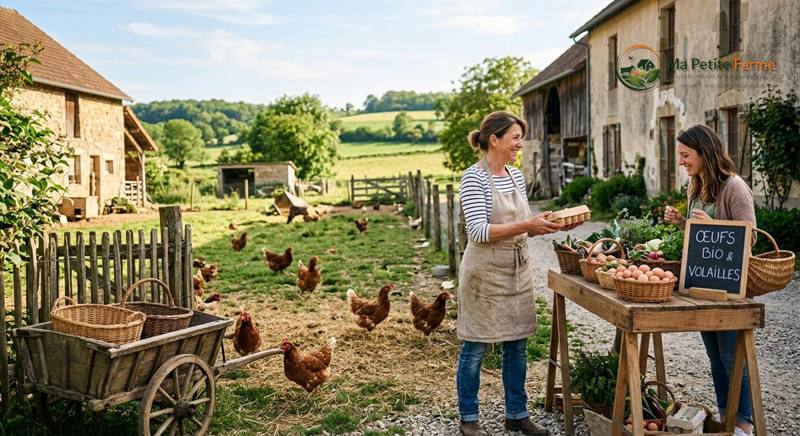
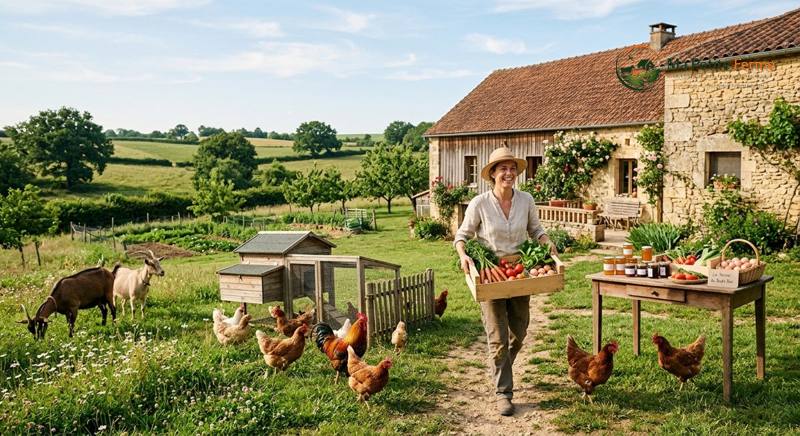
Direct on-farm sales remain the simplest and most profitable solution. Put up a visible sign on your property, share the news on your local social media pages or in Facebook groups in your area. Members of the public, often in search of authenticity and locally sourced products, respond very well to this type of listing.
Local markets also represent an excellent outlet. Contact your local council or chamber of agriculture to secure a stall. You can offer your hens there either live or slaughtered, in accordance with the regulations in force in your département.
Small ads platforms such as Le Bon Coin or specialist farm sales websites allow you to reach a wider customer base looking for quality poultry at a fair price. Take care with your listing by including attractive photos and an honest description of the animal.
Local restaurateurs and caterers are often looking for spent hens for their stocks and slow-cooked dishes. Reach out directly to chefs in your area: a lasting partnership can very easily be established around this type of product.
Regulations: what you need to know before selling
The sale of live or slaughtered poultry is governed by French health and safety regulations. For direct sales to the end consumer, on-farm slaughter is possible under certain conditions, particularly within the framework of the exemption for small slaughterhouses or through an approved abattoir. Contact your local Departmental Directorate for the Protection of Populations (DDPP) to find out the rules applicable to your situation.
Tips for maximising your selling price
Highlight the origin of your animals, their feed and their rearing conditions. A well-informed consumer is a consumer willing to pay a fair price. Where possible, offer simple recipes to go with your spent hens: this makes the purchasing decision easier and builds customer loyalty over the long term.
Related articles — End-of-cycle laying hens: where and how to sell them near you?
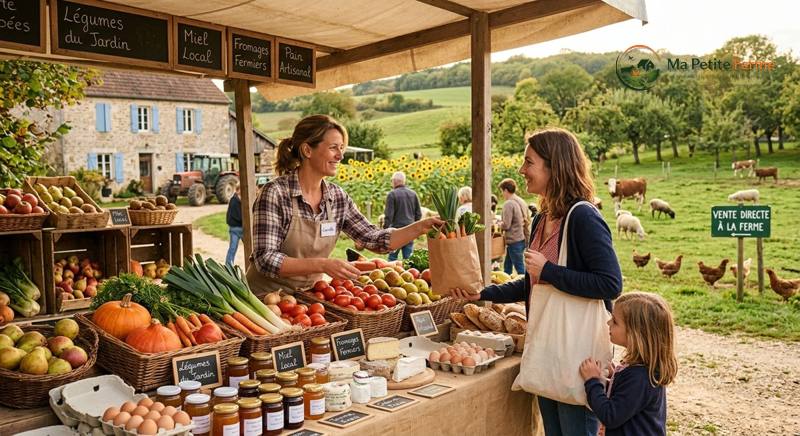
Direct farm sales: how to attract local customers and build customer loyalty
Discover the best strategies to grow your local customer base and build a lasting relationship of trust with your buyers through short supply chains.
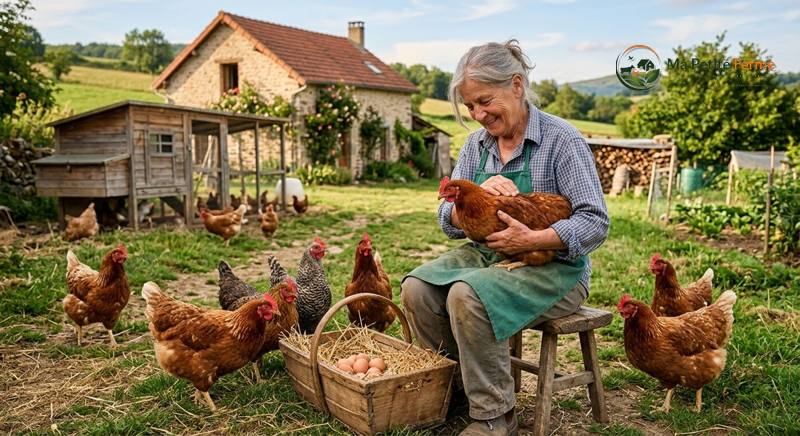
Spent laying hens: should you keep them or sell them?
When a hen lays less, should you cull her, keep her, or sell her? Find out how to make the best decision for your farm.
Living Self-Sufficiently: The Guide for Small Producers Starting Out
Discover how to achieve food self-sufficiency on your farm through concrete strategies tailored to small rural producers.
Farms in our network — End-of-cycle laying hens: where and how to sell them near you?

Get our tips by email
Livestock, production and short-circuit selling — our best tips, no spam.