Free-range laying hens: the method winning over short supply chain buyers
By La Rédaction — Ma Petite Ferme · 26/08/2026
Why free-range farming is attracting more and more local consumers
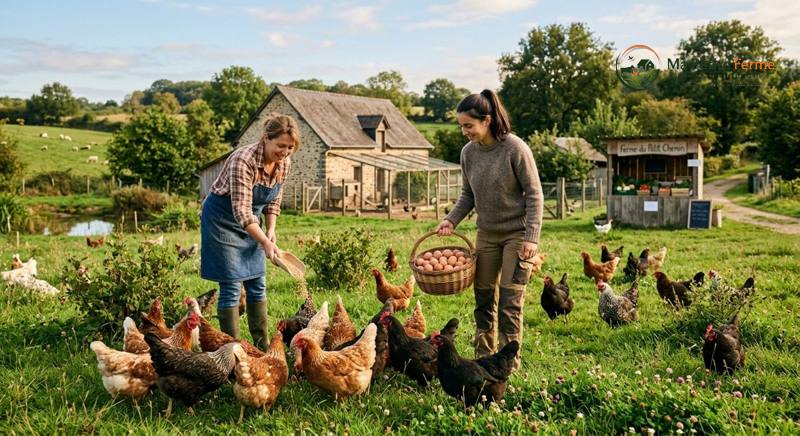
Today, buyers in short supply chains are no longer satisfied with a simple fresh egg. They want to know the story behind their food, see how the animals live and make sure that farming practices respect animal welfare. Free-range laying hen farming perfectly meets these expectations. Hens pecking freely in a lush meadow is an image that speaks immediately and creates a strong bond of trust between the producer and their customer.
The foundations of a successful free-range operation
To practice quality free-range farming, a few fundamental rules are essential. Density is the first criterion to master: it is generally recommended not to exceed 6 hens per square metre inside the henhouse, with outdoor access of at least 4 m² per animal. The range must be varied, grassed and regularly renewed through rotation to prevent overgrazing and limit parasite pressure. The diet must be balanced, made up of quality cereals, ideally produced on the farm, supplemented by what the hens find naturally: earthworms, insects, fresh grasses. This varied diet is directly reflected in the quality of the egg yolk, which is more colourful and more flavourful — a formidable selling point.
Superior quality eggs for a solid sales pitch
An egg produced by a free-range hen stands out both visually and in terms of taste. The yolk is more orange, the shell firmer and the flavour noticeably more pronounced. These characteristics are immediately perceptible to the consumer and become your best ambassadors. Do not hesitate to communicate about these aspects during your farm sales, at markets or through your social media channels. A photo of your hens outdoors, accompanied by an authentic message, can generate powerful word-of-mouth and build a loyal, regular customer base.
Transparency, the key to your success in direct sales
One of the major advantages of short supply chains is the direct relationship you maintain with your buyers. Take the opportunity to share your daily life as a farmer, and to talk about your challenges and successes. Organise open days at your farm to concretely demonstrate your farming conditions. This transparency is reassuring and creates a strong emotional bond. Customers who have seen your hens frolicking in the meadows come back week after week, convinced of the value of what they are buying and proud to support a committed local producer.
Profitability and prospects for the small-scale farmer
Free-range laying hen farming can prove very profitable for small operations, provided the production is well marketed. Through direct sales, a box of six eggs can easily reach 3 to 4 euros, or even more for eggs from a 100% farm-fed diet or certified organic. By working on your communication, taking care of your packaging and developing weekly baskets, you can build a solid and sustainable business model, while living your passion for farming.
Related articles — Free-range laying hens: the method winning over short supply chain buyers
Free-range laying hen farming: benefits, challenges and practical tips
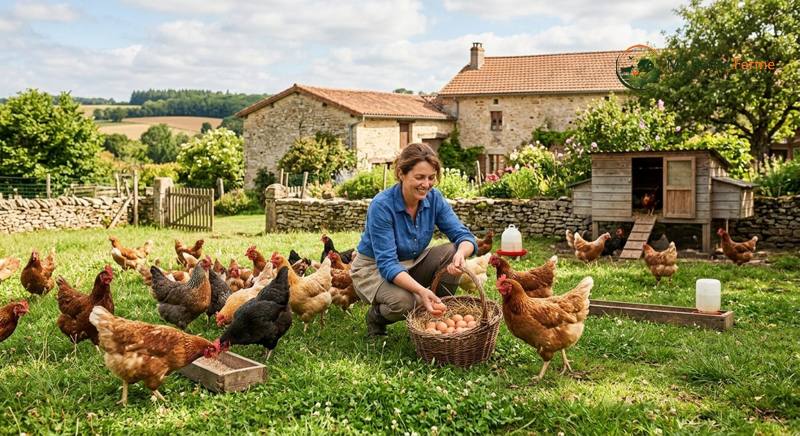
Discover how to succeed in free-range laying hen farming: animal welfare, egg quality and concrete advice for small-scale producers.
Laying hens in cages or free-range: what to choose for your farm?
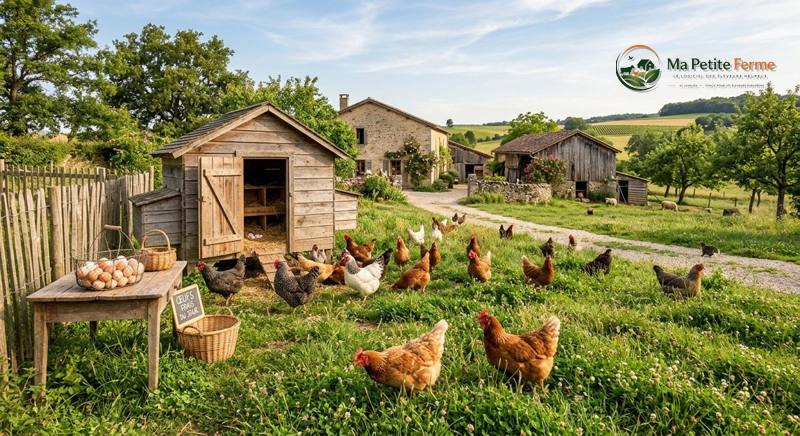
Cage or free-range: discover the advantages, disadvantages and regulations to help you choose the right laying hen farming system.
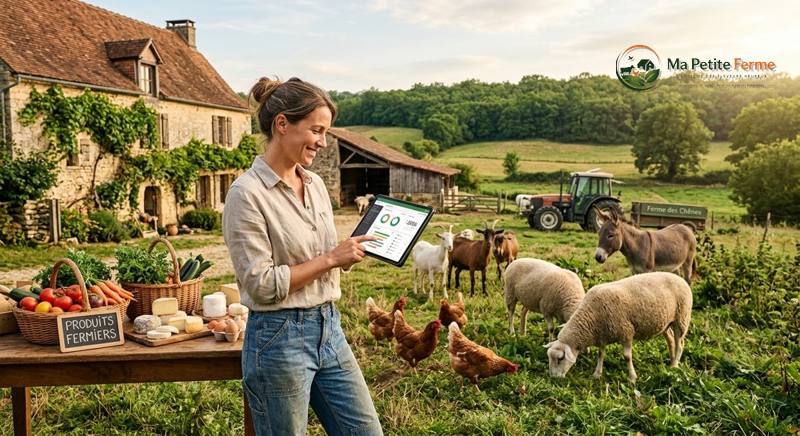
Farm Management Software: Free or Paid, Which Should You Choose in 2026?
Free or paid, which farm management software best suits your operation in 2026? We break it down to help you decide.
Farms in our network — Free-range laying hens: the method winning over short supply chain buyers

Get our tips by email
Livestock, production and short-circuit selling — our best tips, no spam.