Laying Hens: The Best Breeds for Profitable Short Supply Chain Farming
By La Rédaction — Ma Petite Ferme · 09/09/2026
Why choose your laying hen breed carefully?
In farm breeding and short supply chain sales, choosing the right laying hen breed is a strategic decision. It directly influences your production volume, the quality of your eggs, and the image of your farm among your customers. A consumer who buys directly from the farm often seeks authenticity, traceability, and exceptional products. Betting on the right breeds means combining profitability with added value.
Hybrid breeds: productive and efficient
For profitable farming, hybrid hens such as the ISA Brown and the Lohmann Brown remain safe bets. They lay between 300 and 320 eggs per year, consume little feed, and adapt easily to free-range farming. Their calm temperament makes flock management easier. Ideal for getting started, they ensure a steady volume that is essential for building loyalty among your sales points or farm basket customers.
Heritage breeds: the authenticity asset for direct sales
More and more producers are turning to heritage breeds with strong historical value, which are highly appreciated by consumers sensitive to animal welfare and local know-how. Among the best options:
The Golden Gauloise: an iconic French breed, hardy and suited to free-range conditions, it lays around 200 eggs per year. Its cream-coloured eggs are a hit at farmers' markets.
The Marans: famous for its stunning dark brown eggs, it is a powerful selling point. With 150 to 180 eggs per year, its production is lower, but the selling price can be significantly increased.
The Sussex: versatile, a good layer (220 to 250 eggs/year) and with an excellent temperament, it is perfectly suited to small family operations.
The White Leghorn: lightweight, independent, and an outstanding layer (280 eggs/year), it produces original white eggs that catch the eye of curious buyers.
How to combine breeds and profitability in short supply chains?
The key to profitable direct-sales farming often lies in the complementarity of breeds. Pairing a flock of hybrid hens to ensure the base volume with a flock of heritage breeds to create premium products is a winning strategy. This allows you to offer different ranges of eggs at distinct price points, meet the varied expectations of your customers, and smooth out your income throughout the year.
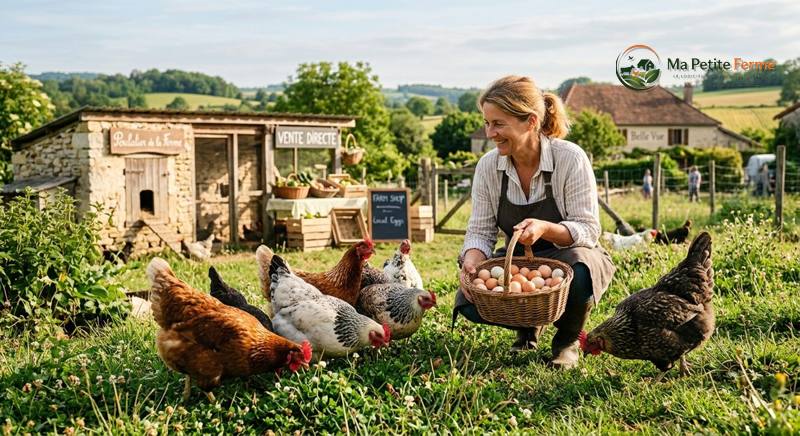
Also think about your communication: the breed name on your label, a photo of your hens at your market stall or on your website builds trust and justifies a fair price. In short supply chains, the story you tell is worth just as much as the quality of the egg itself.
Conclusion: embrace diversity to better stand out
There is no single perfect universal breed for every farmer. Your choice must take into account your land, your customer base, and your production goals. By testing, observing, and listening to your buyers, you will find the ideal balance between volume, quality, and profitability. Raising laying hens in a short supply chain is a wonderful entrepreneurial adventure, provided it is built on solid foundations.
Related articles — Laying Hens: The Best Breeds for Profitable Short Supply Chain Farming
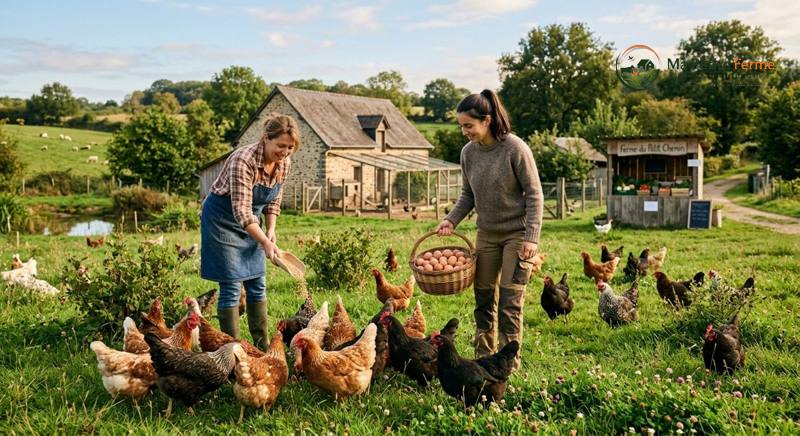
Free-range laying hens: the method winning over short supply chain buyers
Discover why raising your laying hens free-range boosts your short supply chain sales and builds lasting loyalty among your local customers.
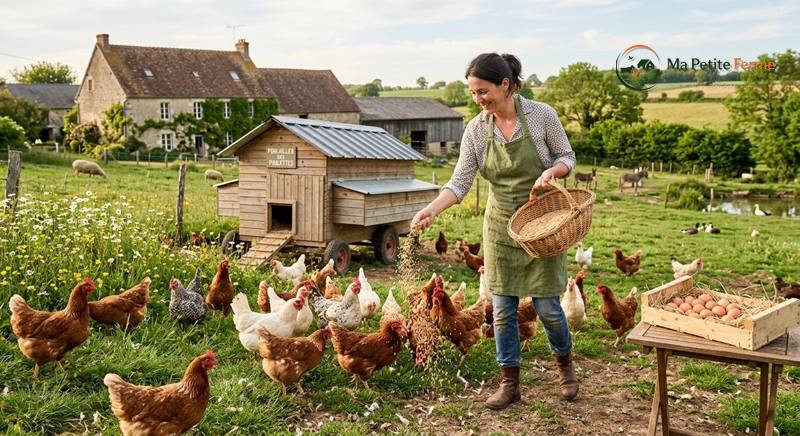
Free-range laying hen farming: what does it really cost?
Discover the real cost of free-range laying hen farming: investments, ongoing expenses and return on investment for small-scale producers.
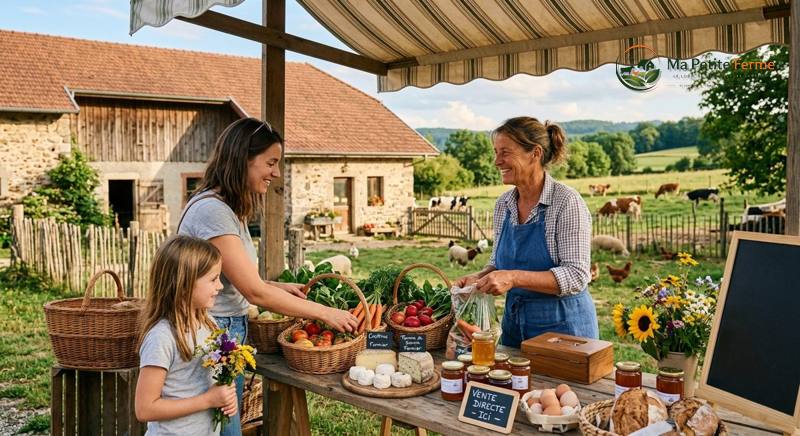
Direct farm sales in short supply chains: how to get started depending on your region
Discover how to launch your direct farm sales activity in short supply chains, with advice tailored to each region of France.
Farms in our network — Laying Hens: The Best Breeds for Profitable Short Supply Chain Farming


Get our tips by email
Livestock, production and short-circuit selling — our best tips, no spam.