Raising laying hens in short supply chains: a complete guide for small producers
By La Rédaction — Ma Petite Ferme · 02/08/2026
Why start raising laying hens?
Laying hens represent a wonderful opportunity for small producers looking to diversify their activities and generate a regular supplementary income. Demand for quality farm eggs continues to grow, driven by consumers who are increasingly attentive to the origin of their food. Through direct sales, you market your production directly while building a relationship of trust with your local customers.
Choosing the right laying hen breeds
Choosing the breed is a decisive step in the success of your farming operation. For optimal production, several breeds have proven themselves on farms. The White Leghorn is renowned for its exceptional productivity, capable of reaching 300 eggs per year. The Sussex and the Marans are valued for their hardiness and their adaptability to free-range conditions. The Marans also offers dark brown-shelled eggs, which are highly sought after at farm markets. If you wish to highlight a heritage aspect, local breeds such as the Gauloise dorée or the Bresse will appeal to customers who are drawn to traditional regional products.
Setting up a suitable henhouse
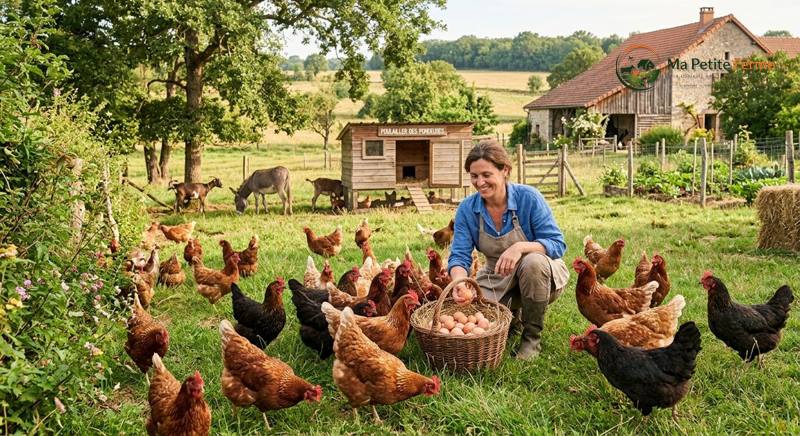
Animal welfare is the key to producing quality eggs. Plan for a minimum outdoor space of 4 m² per hen to comply with free-range standards. The henhouse must be well ventilated, protected from predators, and equipped with sufficient perches. Allow one nesting box for every 4 to 5 hens to prevent eggs from being laid on the floor. The bedding, ideally made of straw or wood shavings, must be changed regularly to maintain a healthy environment and limit disease. Permanent access to fresh water is also essential.
Flock nutrition and health
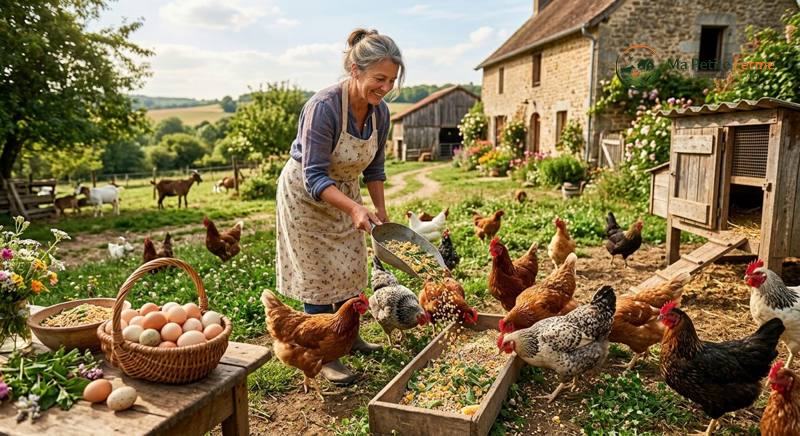
A balanced diet ensures regular laying and nutritious eggs. The basic ration consists of a complete layer feed, enriched with calcium for strong shells. Supplement with cereals grown on your farm, garden vegetables, and fresh herbs. These natural additions improve the quality of the yolk, making it more orange-coloured and flavourful. From a health perspective, schedule regular deworming treatments and monitor the condition of your hens' plumage, which is a valuable indicator of their overall health.
Selling eggs through direct sales channels
Direct sales at the farm, at local markets, or through weekly vegetable boxes are the most profitable marketing methods for farm egg producers. Take care with your presentation by using labelling that complies with regulations, indicating the producer code, the category, and the laying date. Tell your story and explain your farming practices: consumers are buying into your commitment just as much as your product. A simple sign at the farm entrance or a page on social media can be enough to build a loyal and enthusiastic regular customer base.
Related articles — Raising laying hens in short supply chains: a complete guide for small producers
Free-range laying hen farming: benefits, challenges and practical tips
Discover how to succeed in free-range laying hen farming: animal welfare, egg quality and concrete advice for small-scale producers.
Feeding chickens: a complete guide for tasty eggs and healthy hens
Discover how to properly feed your chickens to optimize their health, egg-laying and the quality of your eggs in short supply chains.

Farm Management Software: Free or Paid, Which Should You Choose in 2026?
Free or paid, which farm management software best suits your operation in 2026? We break it down to help you decide.
Farms in our network — Raising laying hens in short supply chains: a complete guide for small producers


Get our tips by email
Livestock, production and short-circuit selling — our best tips, no spam.