Farm Management: A Practical Guide for Successful Small Producers
By La Rédaction — Ma Petite Ferme · 02/08/2026
Why Good Farm Management Makes the Difference
Managing a farm, even a small one, requires organization, passion, and a clear vision of your goals. Whether you raise cattle, sheep, pigs, or poultry, or grow vegetables and grains, effective management is the key to ensuring the economic sustainability of your agricultural business and the well-being of the animals and land you care for every day.
Planning Daily and Seasonal Activities
The first step toward optimal management is planning. Break activities down into daily, weekly, and seasonal tasks. Keep an up-to-date record of sowings, animal births, vaccinations, and health treatments. Simple tools such as a paper calendar or a farm management app can make a real difference, reducing errors and saving precious time. Scheduling activities also allows you to anticipate peak workloads and arrange any additional labor well in advance.
Animal Welfare: An Investment That Pays Off
On mixed farms or those specializing in livestock, animal welfare is not just a regulatory obligation, but a genuine quality strategy. Healthy, content animals produce more and better: more milk, higher-quality eggs, tastier meat. Regularly check living conditions, feeding, and access to water. Build a relationship of trust with your veterinarian and schedule preventive check-ups to avoid unexpected costs and production losses.
Financial Management and Accounting Records
Many small producers neglect the administrative side of things, but it is essential for understanding whether the farm is truly profitable. Record all income and expenses, monitor the cost per head of livestock raised or per hectare cultivated, and compare results season after season. Take advantage of RDP (Rural Development Plan) calls for applications and regional incentives: there are often specific grants for young farmers, organic farming, or precision agriculture that can significantly reduce investment costs.
Direct Sales and Short Supply Chains: The Heart of the Modern Farm
Direct sales through short supply chains are today one of the most powerful levers for increasing margins and building customer loyalty. Farmers' markets, home delivery boxes, solidarity purchasing groups (SPGs), or an on-farm shop are concrete opportunities to sell your products at a fair price. Pay attention to communication: an active social media page, authentic photos of the farm, and stories that showcase your daily work build trust and affection among your local audience.
Continuous Training and Networking Among Producers
The agricultural sector is evolving rapidly. Attend refresher courses, trade fairs, and industry associations. Comparing experiences with other producers is an invaluable source of ideas, practical solutions, and moral support. A well-managed farm is not just an economic enterprise: it is a cultural and environmental heritage that deserves to thrive over time.
Related articles — Farm Management: A Practical Guide for Successful Small Producers
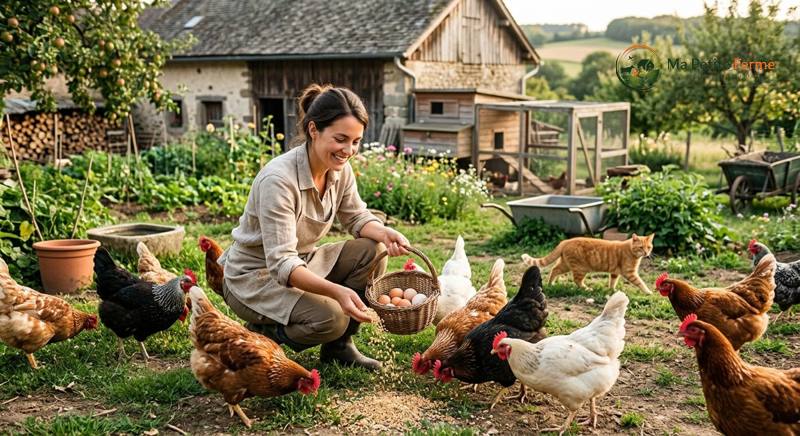
How Much Does a Laying Hen Cost? Purchase Price and Raising Costs Explained
Discover the purchase price of a laying hen and the real costs of raising them to properly prepare your short-circuit poultry farming project.
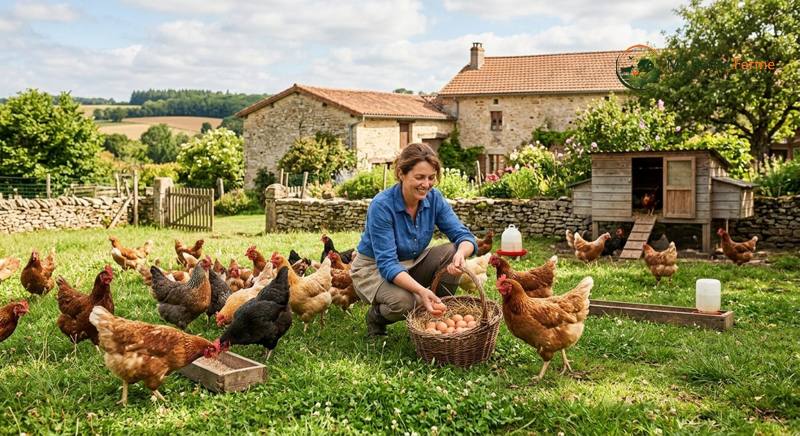
Free-range laying hen farming: benefits, challenges and practical tips
Discover how to succeed in free-range laying hen farming: animal welfare, egg quality and concrete advice for small-scale producers.
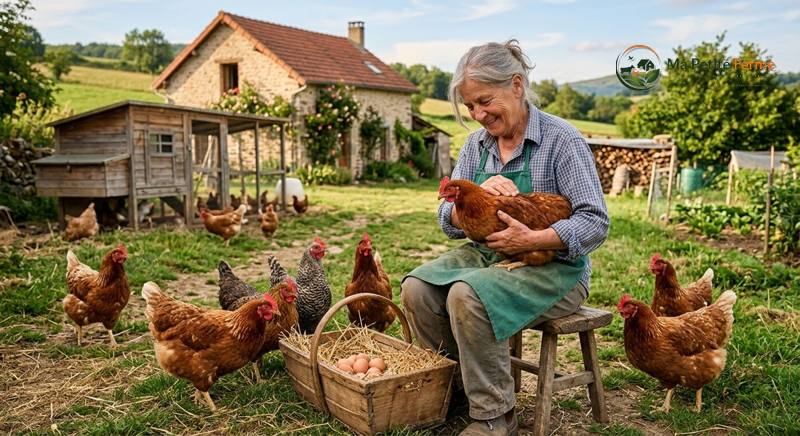
Spent laying hens: should you keep them or sell them?
When a hen lays less, should you cull her, keep her, or sell her? Find out how to make the best decision for your farm.
Farms in our network — Farm Management: A Practical Guide for Successful Small Producers
Get our tips by email
Livestock, production and short-circuit selling — our best tips, no spam.