Farming as a Career: Passion, Challenges, and the Pride of a Job Well Done
By La Rédaction — Ma Petite Ferme · 11/08/2026
A profession rooted in the land and the living world
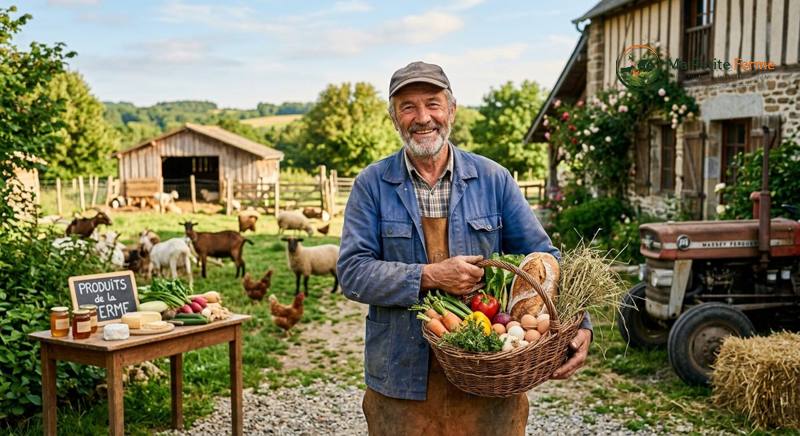
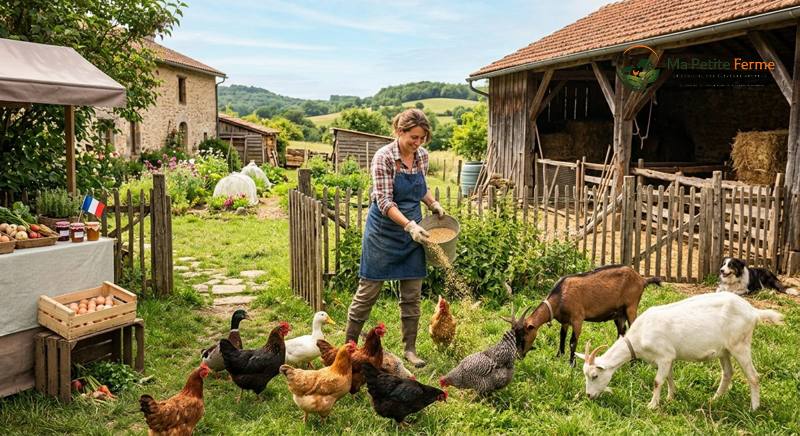
Being a farmer is far more than a simple job: it is a true way of life. Every day often begins before sunrise and ends at nightfall. Whether growing cereal crops, market gardening in the open air, raising cattle or producing honey, the farmer maintains a unique connection with nature and the cycles of the living world. This profession demands remarkable versatility, combining precise technical skills, a keen sense of observation and the ability to make quick decisions in the face of climatic or health-related uncertainties.
The essential skills for success
The modern farmer's trade can no longer be reduced to ploughing a field. Today it requires in-depth knowledge of agronomy, business management, agricultural mechanics and even digital technology. A livestock farmer must be able to assess the health of their herd, adjust feed rations and manage forage stocks. A market gardener must plan crop rotations, anticipate water needs and comply with regulatory constraints. Accounting, customer relations and communication have also become key skills, particularly for those who practice direct sales at the farm.
Training to become a farmer
There are many pathways into the farming profession. The Professional Certificate of Agricultural Farm Manager (BPREA) is the reference qualification for setting up. Agricultural colleges also offer specialised agricultural vocational degrees depending on the sector: animal production, crop production, viticulture, agri-equipment… For career changers, practical placements of several weeks on a working farm are often required before they can benefit from start-up grants such as the Young Farmers' Grant (DJA).
The challenges of everyday life
The reality on the ground is demanding. Farmers face multiple challenges: fluctuating agricultural prices, unpredictable weather conditions, constantly evolving environmental standards and pressure on profit margins. Isolation can also weigh heavily on morale, especially on small family farms. Yet solidarity among producers, agricultural groups and short supply chain networks help to break this isolation and pool efforts to better withstand crises.
The future of the profession: towards sustainable and local farming
Generational renewal is a crucial issue for French agriculture. Every year, thousands of farms disappear for lack of successors. Yet young people's interest in reasoned, organic or direct-sales farming continues to grow. Short supply chains, community-supported agriculture schemes (AMAPs) and producers' markets are restoring meaning and value to the work of farmers. Selling products directly to consumers means regaining control over pricing and rebuilding a strong human connection with those who feed us. The farmer of tomorrow will be at once a producer, an entrepreneur and an ambassador for their local area.
Related articles — Farming as a Career: Passion, Challenges, and the Pride of a Job Well Done
The Month-by-Month Agricultural Calendar for a Small Farm
Discover our comprehensive agricultural calendar guide to organize your sowing, harvests, and animal care throughout the year on your small farm.
Farm Management Software: Free or Paid, Which Should You Choose in 2026?
Free or paid, which farm management software best suits your operation in 2026? We break it down to help you decide.
The 7 Tasks to Track Every Week on a Small Farm
Discover the 7 essential tasks to complete each week to properly manage your small farm and ensure the well-being of your animals and crops.
Farms in our network — Farming as a Career: Passion, Challenges, and the Pride of a Job Well Done
Get our tips by email
Livestock, production and short-circuit selling — our best tips, no spam.