Permaculture on small acreage: maximizing your farm's production
By La Rédaction — Ma Petite Ferme · 11/08/2026
Permaculture, a philosophy suited to small-scale producers
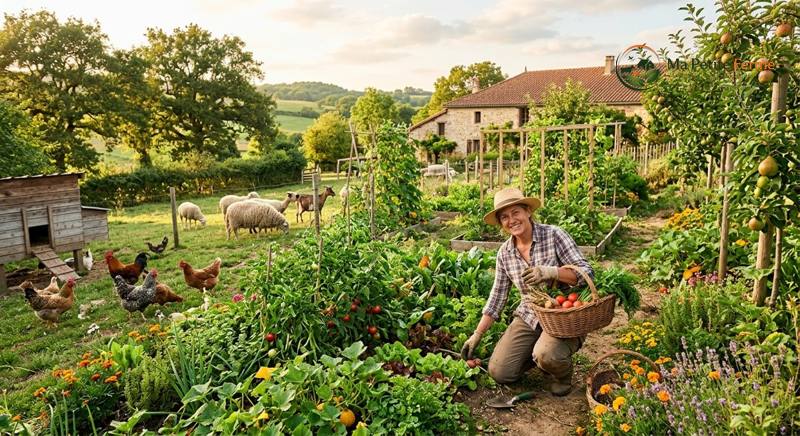
Do you have a small plot of land and want to make the most of it? Permaculture is an ideal approach for short supply chain producers looking to optimise every square metre of their farm. Far more than a simple gardening technique, it is a holistic philosophy that observes nature and draws inspiration from it. By intelligently combining crops, animal species and natural resources, you can transform even a small piece of land into a productive and resilient ecosystem.
Key principles to apply on a small surface area
On a limited surface area, every decision counts. Permaculture invites you to think in terms of zones and sectors: place your most frequently harvested crops close to your water source or your home. Reserve more distant areas for fruit trees, nectar-rich hedgerows or species that require little maintenance. This organisation reduces the distances you travel and optimises your energy on a daily basis.
Associated polyculture is another powerful lever. By combining companion plants — such as tomatoes with basil, or squash with maize and beans — you improve the health of your soil, limit pests and increase your overall yield without chemical inputs. The result: healthier produce that is more appreciated by your direct-sale customers.
Integrating livestock into your permaculture system
Even on a small surface area, livestock can be harmoniously integrated into your permaculture approach. Rotating hens across your plots are particularly effective: they scratch the soil, eliminate parasites and fertilise naturally. Rabbits, ducks or even a few beehives contribute to biodiversity and enrich your range of farm products. The idea is to create synergies between each element of the system, so that the waste from some becomes the resource for others.
Selling through short supply chains: permaculture, a powerful selling point
Consumers today are increasingly sensitive to environmentally friendly production methods. Highlighting your permaculture approach during farm sales, at markets or in your online shop is a differentiating commercial argument. Talk about your crop associations, the absence of pesticides and the richness of your biodiversity. These stories create a connection with your buyers and build long-term customer loyalty.
Where to start in practical terms?
Begin with a careful observation of your land over several seasons before transforming everything. Identify the wet areas, wind and sun exposure, and natural pathways. Then draw a simple map of your zones and start with small experiments: a polyculture bed, a fruit hedgerow, an integrated composter. Permaculture is built up gradually, and that is precisely what makes it accessible to all small-scale producers, regardless of the size of their farm.
Related articles — Permaculture on small acreage: maximizing your farm's production
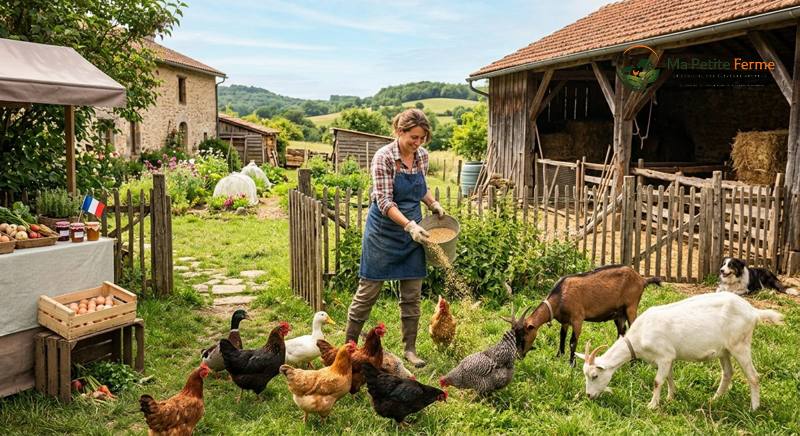
The 7 Tasks to Track Every Week on a Small Farm
Discover the 7 essential tasks to complete each week to properly manage your small farm and ensure the well-being of your animals and crops.
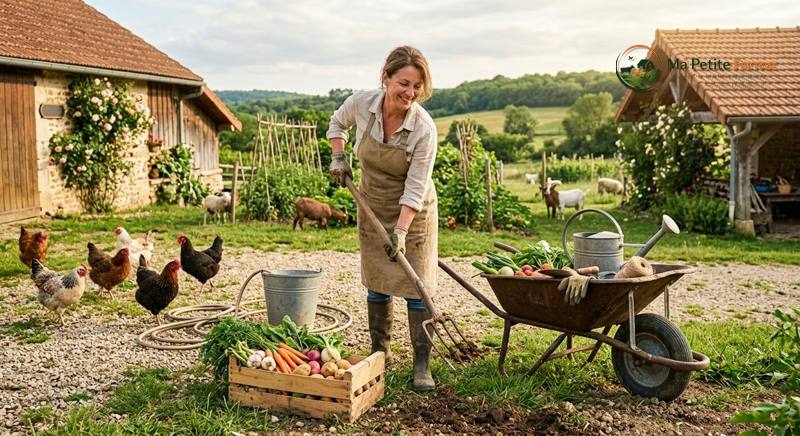
The Essential Tools for a Small Family Farm
Discover the essential tools to equip your small family farm and improve your daily efficiency without breaking the bank.
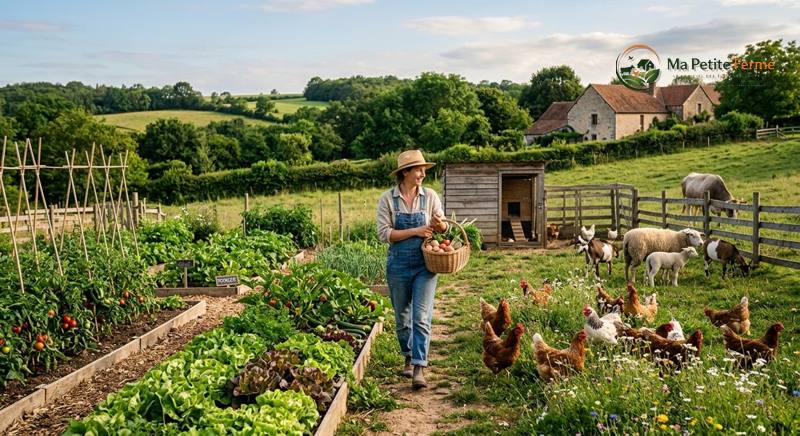
Vegetable Garden and Livestock Together: How to Organize a Productive and Harmonious Farm
Discover how to combine a vegetable garden and livestock on your farm to gain autonomy, reduce costs, and produce better.
Farms in our network — Permaculture on small acreage: maximizing your farm's production
Get our tips by email
Livestock, production and short-circuit selling — our best tips, no spam.