
Week 34: Preparing Your Bees for Autumn After the Main Harvest
By La Rédaction — Ma Petite Ferme · 17/08/2026
A Key Turning Point in the Beekeeping Year
Week 34 often marks the end of the great summer honey flows. Linden trees and wildflowers are beginning to become scarce, and your bees are gradually entering a phase of winter preparation. This is precisely the moment when your vigilance as a beekeeper makes all the difference. Careful monitoring now is the guarantee of strong, healthy colonies next spring.
Assessing the Condition of Each Colony
Take advantage of these still-mild days to open each of your hives and carry out a full assessment. Carefully observe the brood area: it should remain compact and well-capped. Check for the presence and vitality of your queen. A colony with a young, prolific queen enters winter in far better condition. Also note the bee population: a hive that is too weak at the end of summer will struggle to survive until warmer days return.
The Great Enemy of Autumn: Varroa
This is THE critical point of week 34. Varroa destructor reaches its peak population at the end of summer, just as the brood begins to decline. This is the ideal window to carry out an effective treatment. After honey extraction and before the winter bees are laid, apply an approved treatment against this parasite. The bees born in September and October are the ones that will form the winter cluster: they absolutely must be born in a healthy environment, with low varroa infestation levels.
Checking Food Reserves
An adult colony needs approximately 15 to 20 kg of honey to get through winter comfortably. Lift your supers and hive bodies to estimate the weight of the reserves. If the frames feel light, do not wait: start feeding your colonies right away with a concentrated sugar syrup (2:1 ratio), which the bees will process and store before the first frosts. Avoid feeding too late, as low temperatures prevent bees from properly processing the syrup.
Preparing the Hive for the Cold Season
Also consider reducing hive entrances to limit intrusions by Asian hornets, which are still very active during this period. Check the condition of your roofs and hive floors to prevent moisture ingress, a true winter scourge. A well-maintained mesh floor promotes good ventilation and reduces condensation inside the hive.
The Producer's Tip
Take the time to record your observations in an apiary notebook. This valuable information will help you anticipate the needs of each colony and improve year after year. Beekeeping is, above all, a relationship of trust built season after season with your foragers!
Manage Your Apiary with Ma Petite Ferme
Track your animals, production and sales with our dedicated software (bees (beekeeping)). Try the demo for free: Discover the demo.
Related articles — Week 34: Preparing Your Bees for Autumn After the Main Harvest

5 Management Mistakes That Cost Small Farms Dearly
Discover the 5 most common management mistakes made by small producers and how to avoid them to preserve the profitability of your farm.
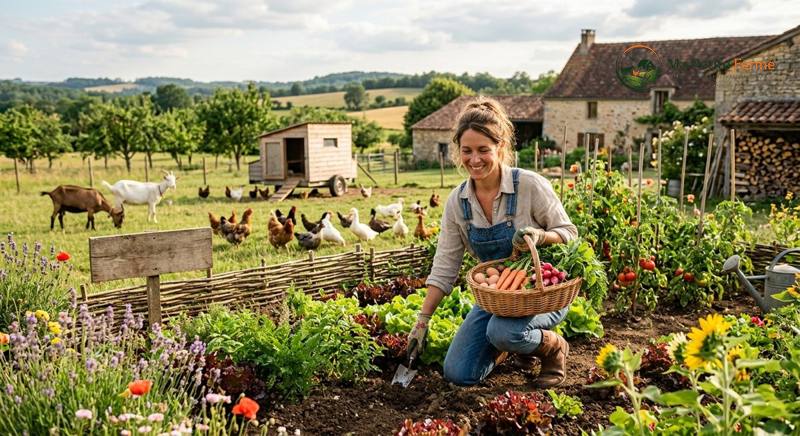
The Month-by-Month Agricultural Calendar for a Small Farm
Discover our comprehensive agricultural calendar guide to organize your sowing, harvests, and animal care throughout the year on your small farm.
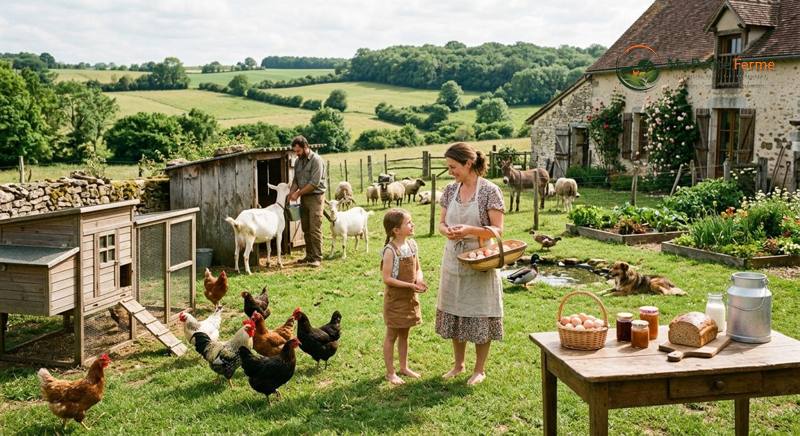
How Many Animals Do You Need to Achieve Family Self-Sufficiency?
Chickens, rabbits, goats or pigs: find out exactly how many animals you really need to feed your family all year long.
Farms in our network — Week 34: Preparing Your Bees for Autumn After the Main Harvest
Get our tips by email
Livestock, production and short-circuit selling — our best tips, no spam.