Sheep Flock Management: A Complete Guide for Small-Scale Farmers
By La Rédaction — Ma Petite Ferme · 02/08/2026

Why Good Flock Management Matters
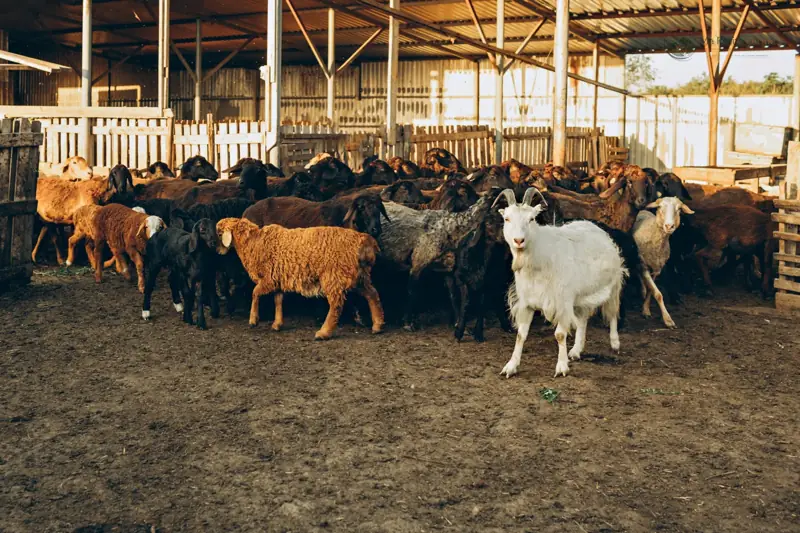
Managing a sheep flock is both an art and a science. Whether you raise a dozen ewes or a couple hundred, the way you organize your daily routines directly impacts the health of your animals, the quality of your products, and the profitability of your farm. Strong flock management builds the foundation for a sustainable operation — one that can thrive for generations.
Nutrition and Feeding Strategies
Sheep are natural grazers, but their nutritional needs change significantly throughout the year. During gestation and lactation, ewes require higher energy and protein intake. Supplement pasture grazing with quality hay, mineral blocks, and fresh water at all times. Conducting a soil test each year helps you understand what your pastures provide — and what they lack. A well-fed flock grows faster, reproduces more reliably, and stays healthier overall.
Pasture Rotation: The Key to Healthy Land and Animals
Rotational grazing is one of the most powerful tools in a shepherd's toolkit. By dividing your pasture into smaller paddocks and moving sheep regularly, you allow grass to recover fully before it is grazed again. This reduces parasite loads in the soil, improves pasture quality, and prevents overgrazing. Aim to move your flock every five to ten days depending on grass growth rate and stocking density. Healthy pastures mean lower feed costs and stronger animals.
Health Monitoring and Preventive Care
Checking your flock daily is non-negotiable. Watch for signs of lameness, respiratory issues, weight loss, or changes in behavior — these are early warning signs that something is wrong. Establish a vaccination schedule with your local veterinarian and maintain a rigorous deworming protocol based on fecal egg counts rather than a fixed calendar. This targeted approach reduces anthelmintic resistance, which is a growing challenge for sheep farmers worldwide. Keep accurate health records for every animal in your flock.
Breeding and Flock Renewal
Selecting the right rams and managing your breeding season carefully are crucial steps toward a productive flock. Choose rams with strong estimated breeding values for the traits most important to your operation — whether that is lamb growth rate, wool quality, or maternal ability. Plan your lambing season to align with your market calendar, especially if you sell directly to customers at farmers markets or through a farm store. Culling underperforming animals and replacing them with quality stock keeps your flock improving year after year.
Selling Your Products Through Short Supply Chains
Small-scale sheep farmers have a real competitive advantage: the ability to offer traceable, high-quality products directly to consumers. Whether you sell fresh lamb cuts, wool, cheese from dairy ewes, or live animals, building a loyal customer base through farmers markets, farm gate sales, or a subscription box model can significantly increase your margins. Tell your story, share your farming values, and educate your customers about what goes into raising healthy sheep. Transparency builds trust — and trust builds sales.
Final Thoughts
Effective sheep flock management is about consistency, observation, and continuous learning. By combining good nutrition, smart pasture use, preventive health care, and a strong direct-sales strategy, small farmers can run a productive and rewarding sheep operation that stands the test of time.
Related articles — Sheep Flock Management: A Complete Guide for Small-Scale Farmers
Week 34: Preparing Your Bees for Autumn After the Main Harvest
In week 34, the summer honey flow is coming to an end. Discover our practical tips to guide your bee colonies through a successful transition into autumn.
5 Management Mistakes That Cost Small Farms Dearly
Discover the 5 most common management mistakes made by small producers and how to avoid them to preserve the profitability of your farm.
The Month-by-Month Agricultural Calendar for a Small Farm
Discover our comprehensive agricultural calendar guide to organize your sowing, harvests, and animal care throughout the year on your small farm.
Farms in our network — Sheep Flock Management: A Complete Guide for Small-Scale Farmers
Get our tips by email
Livestock, production and short-circuit selling — our best tips, no spam.