Farm management system: organize your production and sell more through short supply chains
By La Rédaction — Ma Petite Ferme · 02/08/2026
Why do you need a management system on your farm?
Running a family farm or small agricultural operation means juggling multiple tasks at the same time: feeding animals, monitoring crops, managing customer orders and keeping the accounts. Without solid organization, it is easy to lose track and make mistakes that cost time and money. A farm management system is the tool that allows you to centralize all this information in one place, make better decisions and devote more energy to what really matters: producing quality goods.
What essential features should it include?
A good management system tailored to small producers should cover at least four major areas. First, livestock or crop tracking: recording births, vaccinations, health treatments, sowing and harvest dates. Second, inventory and stock management, so you always know how many products you have available for sale. Third, customer and order administration, which is essential if you sell at local markets, to restaurants or through box subscription schemes. And finally, a simplified accounting module that allows you to monitor income, expenses and margins in a straightforward way, without needing to be an accountant.
Digital systems vs. field notebooks: which should you choose?
Many farmers still use paper notebooks or Excel spreadsheets, and while these tools have their merits, they have significant limitations: they do not generate automatic alerts, they are difficult to share with collaborators and they can be lost. Today's digital farm management applications are designed specifically for small producers and offer very intuitive interfaces, mobile access and cloud synchronization. Some popular options in the Spanish-speaking market include platforms such as Agroptima, Farmbrite or even custom solutions developed locally. The important thing is to choose the one that best suits your type of production and your level of digitalization.
Direct benefits for short-circuit sales
If you sell your products directly to consumers, a management system becomes an indispensable ally. You will be able to plan your production based on real demand, avoid excess or shortage of stock on market days, automate invoice sending and keep an accurate record of your regular customers. In addition, many systems allow you to integrate an online shop or manage agroecological box subscriptions, which expands your sales channels without adding administrative complexity.
First steps to implementing your management system
There is no need to digitize everything all at once. Start by identifying the tasks that take up the most time or where you make the most mistakes. Implement the system progressively: first inventory, then orders and finally accounting. Train the people who work with you and spend a few minutes each day updating the data. Within a few weeks you will notice how your farm runs more smoothly, your customers are more satisfied and you have more time to innovate and grow.
Related articles — Farm management system: organize your production and sell more through short supply chains
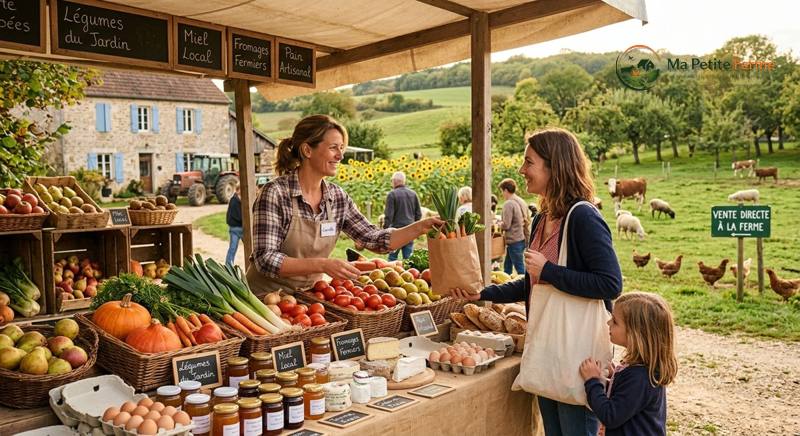
Direct farm sales: how to attract local customers and build customer loyalty
Discover the best strategies to grow your local customer base and build a lasting relationship of trust with your buyers through short supply chains.
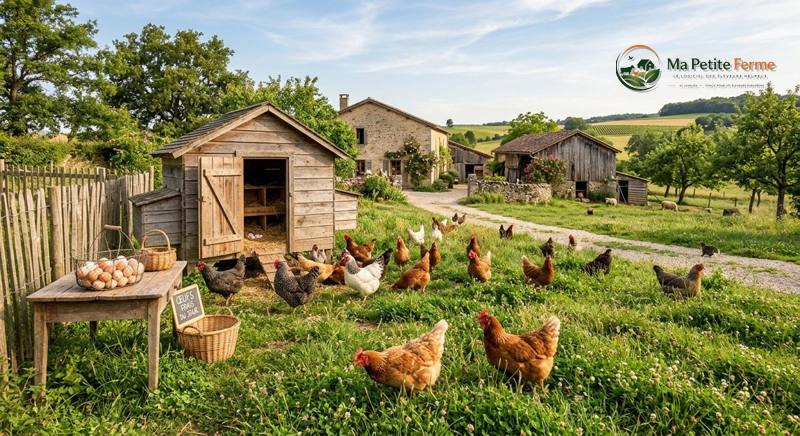
Laying hens in cages or free-range: what to choose for your farm?
Cage or free-range: discover the advantages, disadvantages and regulations to help you choose the right laying hen farming system.
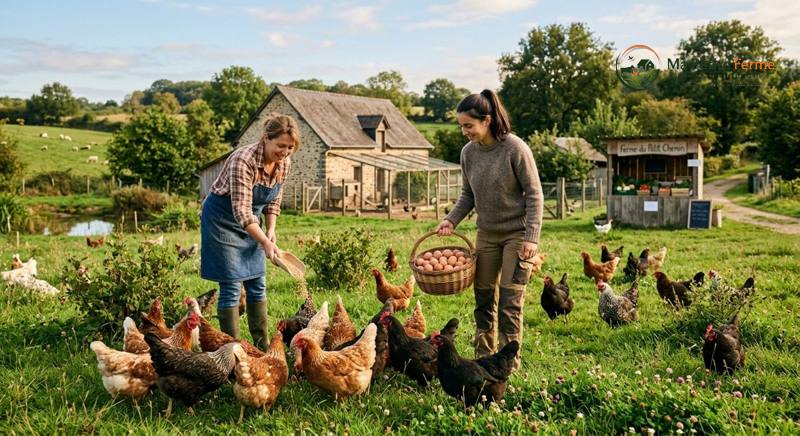
Free-range laying hens: the method winning over short supply chain buyers
Discover why raising your laying hens free-range boosts your short supply chain sales and builds lasting loyalty among your local customers.
Farms in our network — Farm management system: organize your production and sell more through short supply chains
Get our tips by email
Livestock, production and short-circuit selling — our best tips, no spam.