Living Self-Sufficiently: The Guide for Small Producers Starting Out
By La Rédaction — Ma Petite Ferme · 11/08/2026
Self-sufficiency: an achievable dream for small producers
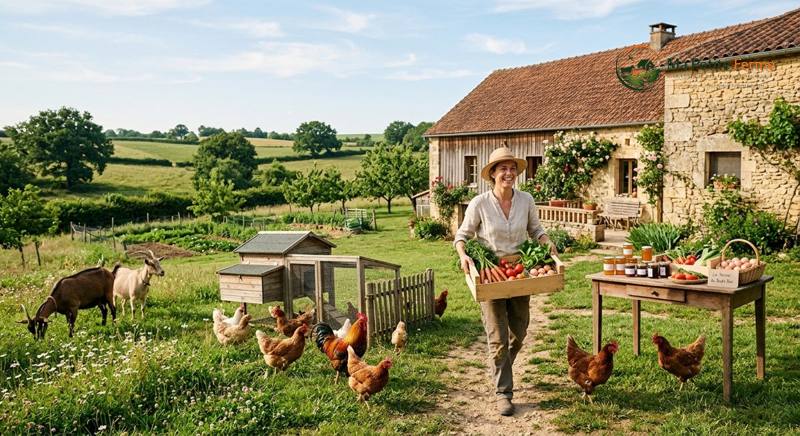
Living self-sufficiently does not mean isolating yourself from the world, but rather taking back control over what you eat, what you produce, and what you consume. For many small farmers and livestock keepers, this way of life represents a true philosophy, rooted in respect for the land and the seasons. The good news is that with proper organisation and the right tools, self-sufficiency is entirely achievable, even on small plots of land.
Growing the essentials: the foundations of a productive vegetable garden
Every self-sufficiency project starts with the vegetable garden. Choose high-yield vegetables that are suited to your climate: potatoes, tomatoes, courgettes, beans, squash, and cabbages are must-haves. Also consider legumes such as lentils or chickpeas, which naturally enrich the soil while providing you with valuable plant-based proteins. Crop rotation and composting will allow you to maintain fertile soil year after year, without resorting to chemical inputs.
Autonomous livestock farming: animals at the heart of the system
Integrating animals into your farm is a key step towards self-sufficiency. A few laying hens will provide you with fresh eggs daily, while also making use of your kitchen scraps. Rabbits or ducks can easily complement your livestock operation with little space and few resources. If your land allows, a dairy goat or ewe will supply you with milk to make homemade cheeses and yoghurts. These small-scale livestock operations also create a virtuous cycle: animal manure fertilises the garden, which in turn feeds the animals.
Preserving and processing your produce
Producing in abundance is good. Knowing how to preserve it is even better. Mastering preservation techniques is at the heart of self-sufficient living. Sterilised jars, lacto-fermentation, drying, freezing, or a natural cellar: each method has its advantages depending on the season and the type of food. Learning to make your own jams, preserved vegetables, cured meats, or cheeses allows you to get through winter with ease, without depending on supermarkets.
Selling surplus through short supply chains to supplement your income
Self-sufficiency does not necessarily mean total autarky. If your production exceeds your needs, direct farm sales, local markets, or vegetable box schemes (CSA) are an excellent way to generate supplementary income while strengthening your connection to your local area. This short supply chain model values your work, reduces intermediaries, and builds a loyal customer base that is increasingly attentive to food quality and traceability. Self-sufficiency then becomes not only a lifestyle choice, but also a sustainable economic venture.
Where to start concretely?
Start small, but start now. Draw up an assessment of your annual food needs, list the crops and animals best suited to your land, and build your project step by step. Self-sufficiency is built season after season, with patience, observation, and a great deal of farming common sense.
Related articles — Living Self-Sufficiently: The Guide for Small Producers Starting Out
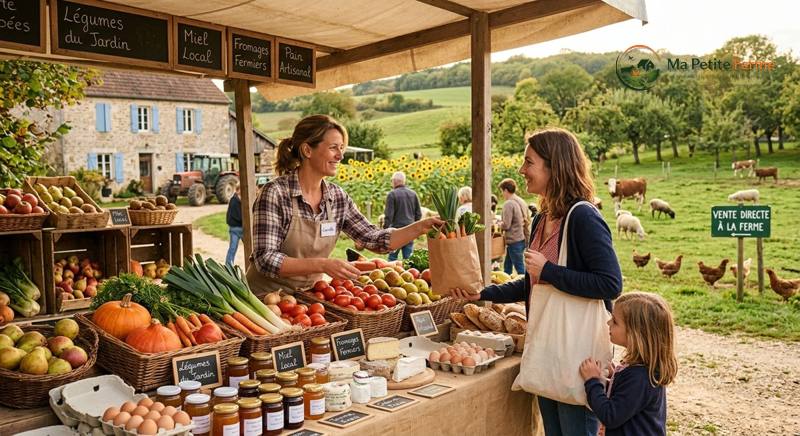
Direct farm sales: how to attract local customers and build customer loyalty
Discover the best strategies to grow your local customer base and build a lasting relationship of trust with your buyers through short supply chains.
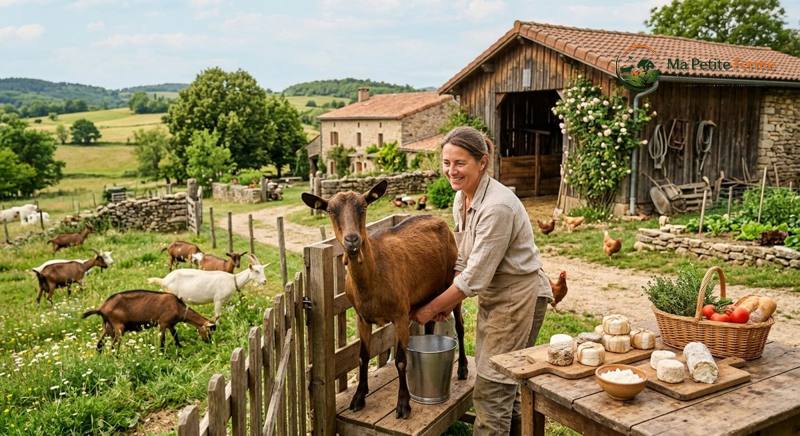
How Many Goats Do You Need to Be Self-Sufficient in Cheese?
Find out how many goats you need to produce enough cheese year-round and achieve cheese self-sufficiency on your farm.
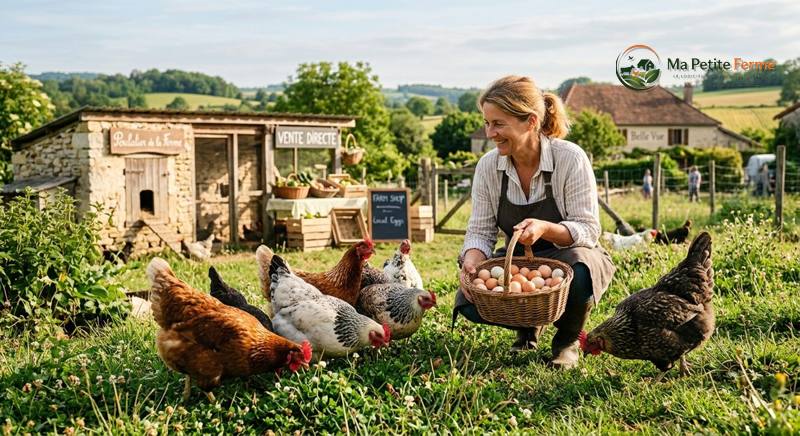
Laying Hens: The Best Breeds for Profitable Short Supply Chain Farming
Discover which laying hen breeds to choose to maximize your egg production and attract customers through direct sales.
Farms in our network — Living Self-Sufficiently: The Guide for Small Producers Starting Out
Get our tips by email
Livestock, production and short-circuit selling — our best tips, no spam.