Family Food Self-Sufficiency: How to Grow the Essentials at Home
By La Rédaction — Ma Petite Ferme · 11/08/2026
What is family food self-sufficiency?
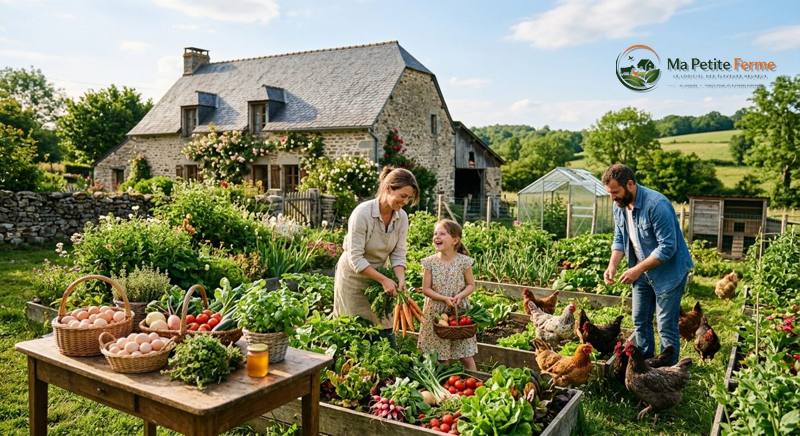
Family food self-sufficiency refers to a family's ability to produce a large part, or even all, of its own food. Garden vegetables, eggs from the henhouse, goat's milk, or homemade preserves: it is about reconnecting with ancestral practices while reducing dependence on industrial supply chains. This lifestyle is attracting a growing number of families who wish to better control what they eat, reduce their food expenses, and rediscover a strong connection with nature.
Where to start: the family vegetable garden
The vegetable garden remains the first cornerstone of the project. With just 200 to 300 m² well cultivated, a family of four can cover a large share of their fresh vegetable needs. Prioritise productive and easy-to-store crops: potatoes, squash, beans, tomatoes, carrots, and onions. Companion planting, homemade composting, and heritage seeds will help you reduce costs while naturally enriching your soil. Also consider aromatic herbs and small fruits (strawberries, redcurrants, blackcurrants) to diversify your production without additional effort.
Small-scale livestock: an indispensable complement
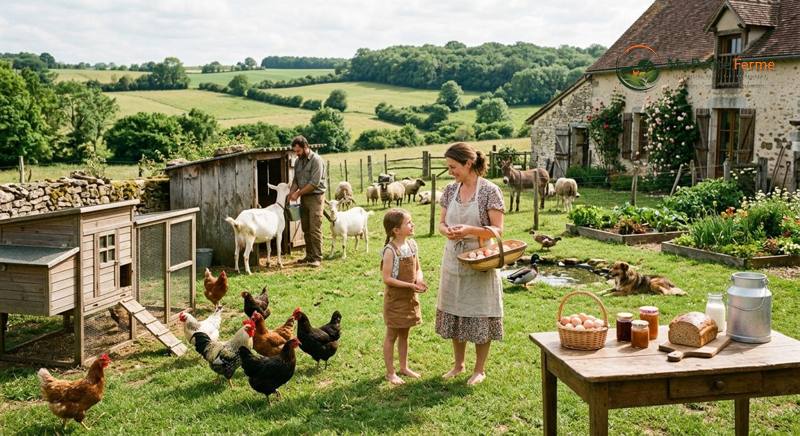
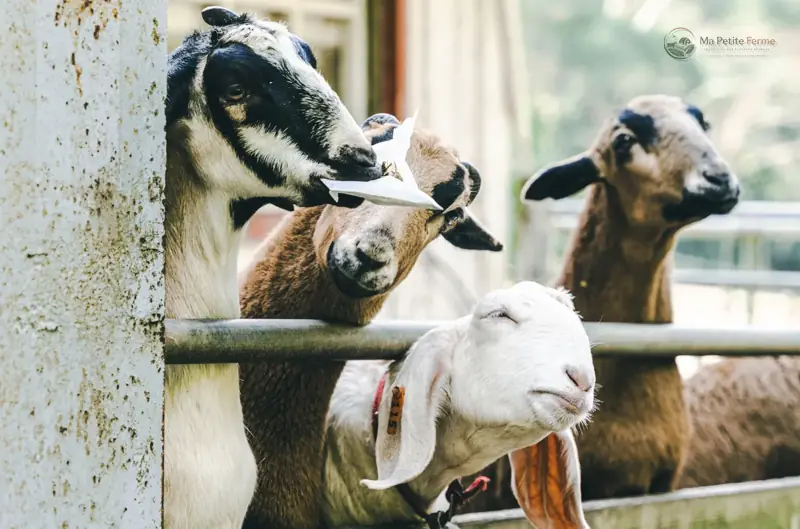
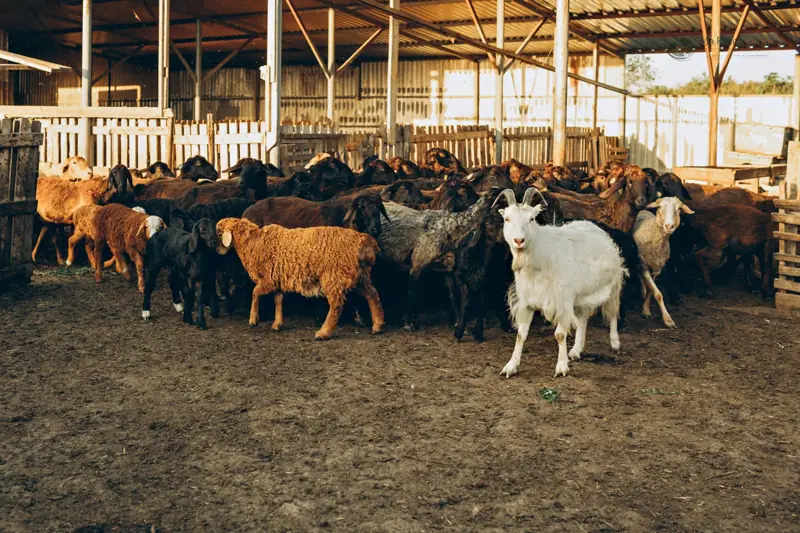
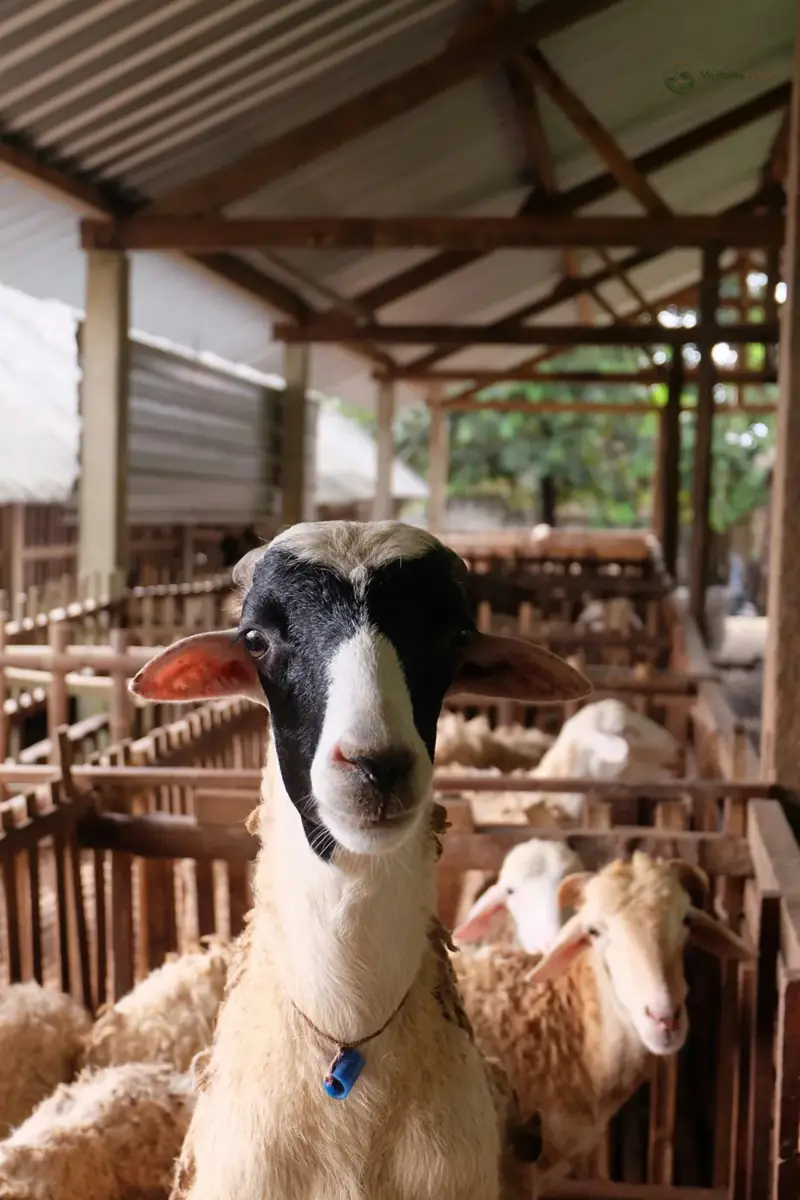
To complement the vegetable garden, a small family livestock setup provides proteins, fats, and fertility for the garden. Laying hens are the ideal starting point: easy to manage, inexpensive, and highly productive, they supply fresh eggs year-round. Rabbits offer healthy meat with a low investment in space and feed. For families with a bit more land, a few goats or ewes make it possible to produce milk, fresh cheese, and homemade yogurt. The key is to start gradually and adapt the livestock to your available time and space.
Preserving and processing your produce
Food self-sufficiency does not stop at the harvest. Knowing how to preserve and process food is a key skill for ensuring you want for nothing throughout the year. Jarring, lacto-fermentation, drying, and freezing allow you to store summer surpluses for the winter months. Making your own bread, yogurts, jams, or cheeses further strengthens your household's food independence. These skills, passed down from generation to generation, are regaining their full value today.
Organising your self-sufficiency project over the long term
Achieving full self-sufficiency takes time, patience, and good planning. Start by establishing a growing calendar suited to your region, identify your actual food needs, and set yourself progressive goals. Joining a local network of producers, seed exchanges, or knowledge-sharing groups considerably accelerates the learning process. Family food self-sufficiency is above all a human and collective adventure, enriched by sharing and mutual support among neighbours and passionate producers.
Related articles — Family Food Self-Sufficiency: How to Grow the Essentials at Home
How Many Animals Do You Need to Achieve Family Self-Sufficiency?
Chickens, rabbits, goats or pigs: find out exactly how many animals you really need to feed your family all year long.
Food Self-Sufficiency at Home: How to Grow Your Own Food
Discover how to achieve food self-sufficiency at home through a vegetable garden, small-scale livestock, and simple preservation techniques.
Vegetable Garden and Livestock Together: How to Organize a Productive and Harmonious Farm
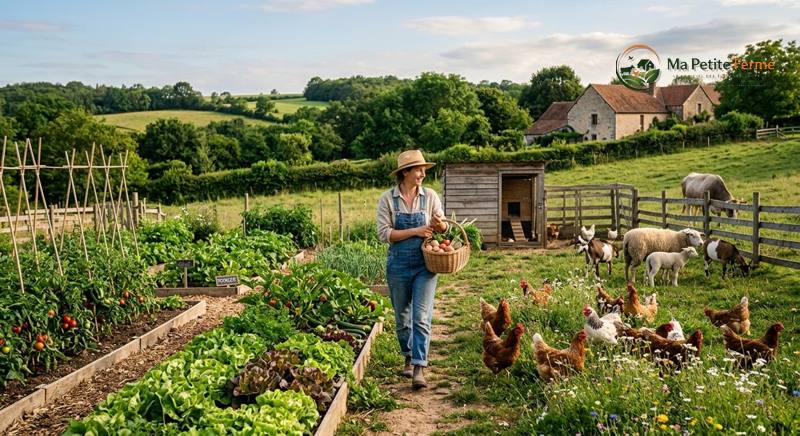
Discover how to combine a vegetable garden and livestock on your farm to gain autonomy, reduce costs, and produce better.
Farms in our network — Family Food Self-Sufficiency: How to Grow the Essentials at Home
Get our tips by email
Livestock, production and short-circuit selling — our best tips, no spam.