Goat in heat: recognizing the signs and optimizing reproduction
By La Rédaction — Ma Petite Ferme · 08/08/2026
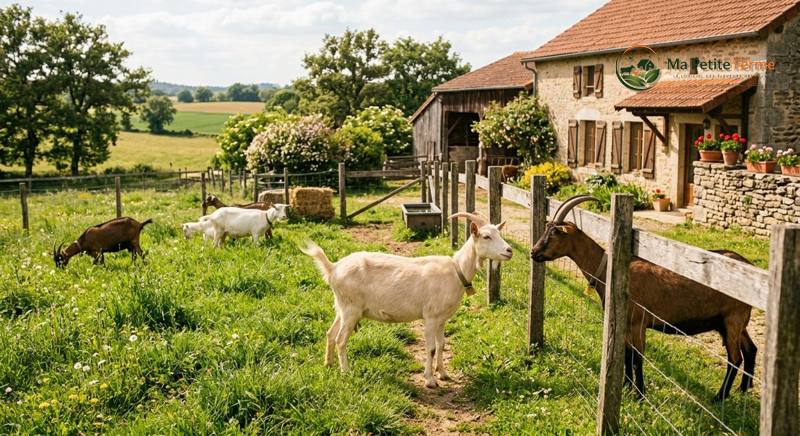
Understanding the Goat Reproduction Cycle
The goat is a seasonally breeding animal. Its heat periods, known as estrus, occur naturally in autumn, when days grow shorter. This period generally spans from September to February, with peak activity in October-November. Some breeds, such as the Saanen or Alpine, may display slightly more extended cycles, but seasonality remains the rule in the vast majority of goat farming operations.
How to Recognize a Goat in Heat?
Identifying the signs of heat is essential for organizing mating at the right time. A goat in estrus displays several characteristic behaviors that an attentive farmer will be able to identify quickly:
Behavioral signs are often the first to appear. The goat becomes restless, bleats frequently and insistently, and wags her tail repeatedly (this is known as flagging). She may seek to get closer to the buck or mount him, and she will accept being mounted by her peers.
Physical signs are also visible: the vulva is slightly swollen and reddish, and a clear, stringy mucus may be discharged. Milk production may temporarily decrease during this period.
The duration of estrus in goats is relatively short: 24 to 48 hours on average. Daily vigilance is therefore essential to avoid missing the fertility window.
Using the Buck Effect to Trigger Heat
If your goats seem slow to come into heat, introducing a buck into the herd may be enough to synchronize and stimulate their cycles. This is known as the male effect. The pheromones emitted by the buck, particularly through his scent glands, act directly on the hormonal system of the females. This natural method is highly valued in farm-based livestock operations as it requires no hormonal treatment.
Organizing Mating and Kidding
Once heat periods have been identified, natural mating can take place. Leave the buck with the goats for 48 hours to maximize the chances of fertilization. Note the mating date in order to calculate the expected kidding date: gestation lasts approximately 150 days, or 5 months. This planning is invaluable for anticipating feeding, housing, and monitoring needs for the kids to be born.
Practical Tips for Short-Supply-Chain Farmers
For farm producers who make cheese or sell goat's milk through direct sales, managing heat cycles effectively allows kidding to be staggered and ensures a steady milk production throughout the year. Do not hesitate to keep a monitoring log for each animal, recording estrus dates, mating dates, and kidding dates. This rigorous tracking improves your breeding results and helps you better plan your commercial activity. If you have any doubts or notice cycle irregularities, consult your veterinarian, who will be able to guide you toward solutions suited to your herd.
Related articles — Goat in heat: recognizing the signs and optimizing reproduction
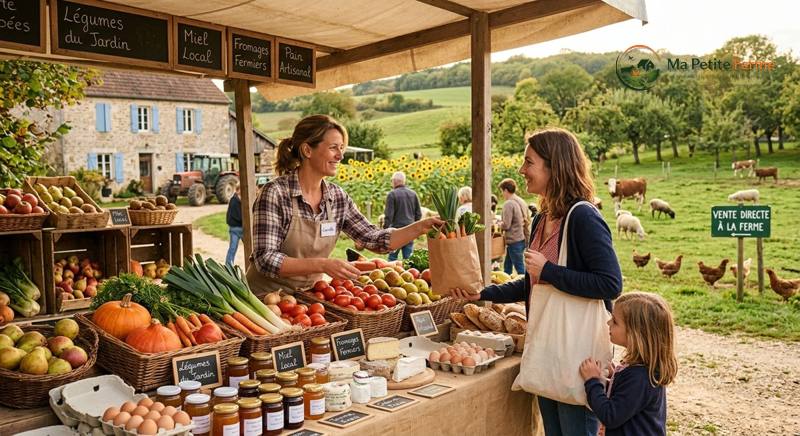
Direct farm sales: how to attract local customers and build customer loyalty
Discover the best strategies to grow your local customer base and build a lasting relationship of trust with your buyers through short supply chains.
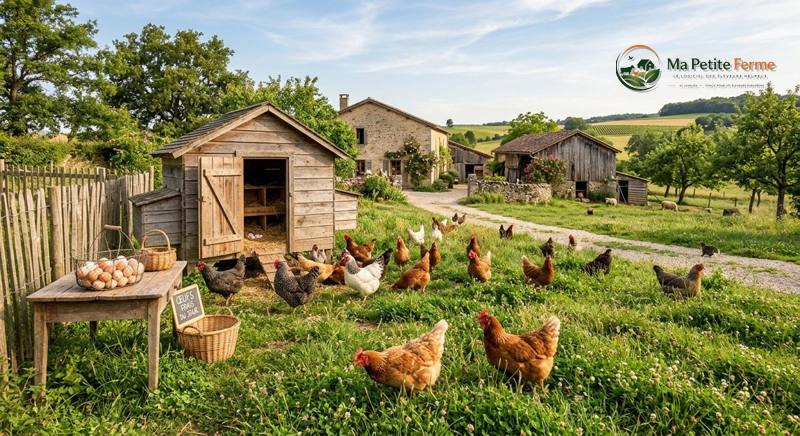
Laying hens in cages or free-range: what to choose for your farm?
Cage or free-range: discover the advantages, disadvantages and regulations to help you choose the right laying hen farming system.
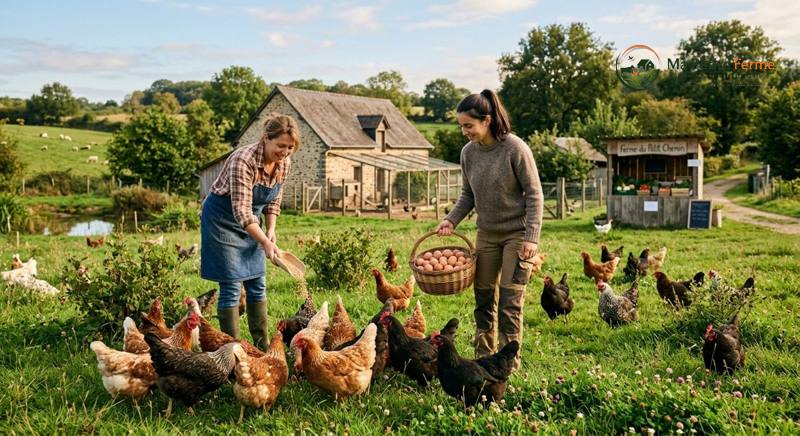
Free-range laying hens: the method winning over short supply chain buyers
Discover why raising your laying hens free-range boosts your short supply chain sales and builds lasting loyalty among your local customers.
Farms in our network — Goat in heat: recognizing the signs and optimizing reproduction
Get our tips by email
Livestock, production and short-circuit selling — our best tips, no spam.