Marans, Sussex, Leghorn: which breed lays the most in free range?
By La Rédaction — Ma Petite Ferme · 21/10/2026
Choosing the Right Free-Range Laying Hen Breed
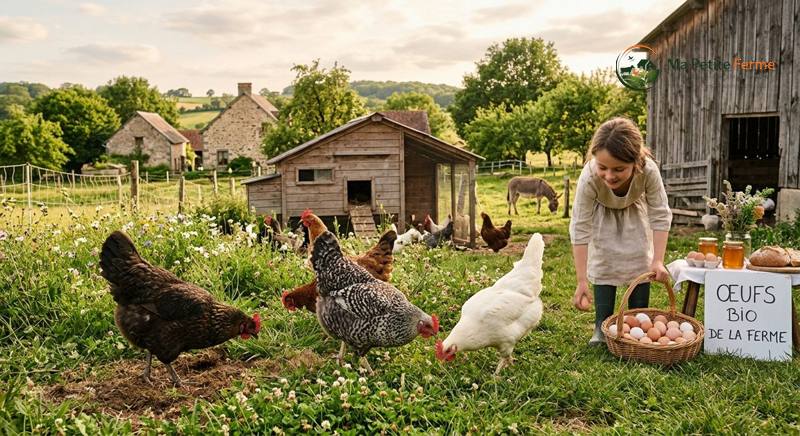
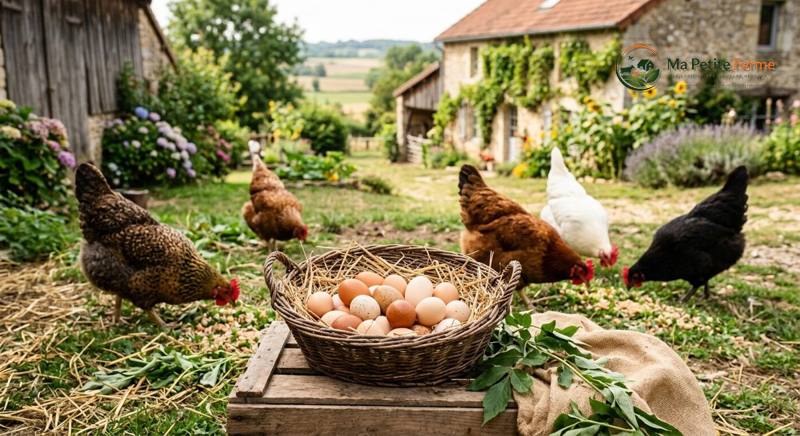
For a small producer raising free-range hens, choosing the right breed is a strategic decision. Between the Marans with its chocolate eggs, the versatile Sussex, and the ultra-productive Italian Leghorn, the differences are real. Each breed has its strengths, weaknesses, and unique character. Let's take stock to help you make the best choice for your production context.
The Marans: Exceptional Eggs, Decent Laying
The Marans is a French breed originating from Charente-Maritime, renowned for its beautiful dark brown eggs, sometimes almost chocolate-coloured. In free-range farming, it performs very well thanks to its calm and robust temperament. It appreciates wide open spaces and adapts easily to varied weather conditions. Its production ranges between 150 and 180 eggs per year depending on the strain, which remains respectable without being exceptional. Its main asset for direct sales? The colour of its eggs, which immediately wins over customers and justifies a slightly higher price at markets or in farm baskets.
The Sussex: Versatility and Consistency Every Time
The Sussex, a British breed with a white coat speckled with black, is often described as the ideal breed for family farms and small producers. Docile, curious, and an excellent forager, it makes the most of free-range conditions. Its annual production ranges between 180 and 220 eggs, with commendable consistency throughout the year. It also has the advantage of being a dual-purpose breed: the males provide a quality carcass, making it an additional asset if you also sell poultry meat. For a diversified short supply chain, the Sussex is a safe bet.
The Leghorn: The Undisputed Laying Champion
If your absolute priority is egg volume, the Leghorn stands out as the benchmark. This Italian breed with white plumage and a large comb can reach 280 to 320 eggs per year under good conditions, almost one egg per day. Active, lightweight, and an excellent flier, it is built for free-range life where it fully expresses its foraging instincts. Be careful, however: its lively and independent character makes it less easy to handle, and it can become stressed in overly confined environments. Its large comb is also more susceptible to frostbite in winter.
Which Breed Should You Choose for Your Short Supply Chain Farm?
The choice depends above all on your commercial strategy. Are you banking on quality and differentiation? The Marans with its signature eggs will be your best ambassador. Are you looking for a balance between volume, robustness, and versatility? The Sussex will reliably meet your expectations. Do you need to maximise your egg production to supply weekly baskets or a sales outlet? The Leghorn will be your most valuable ally. In all cases, make sure to provide a rich range, quality feed, and a reasonable stocking density so that your hens can reach their full potential and your customers keep coming back week after week.
Related articles — Marans, Sussex, Leghorn: which breed lays the most in free range?
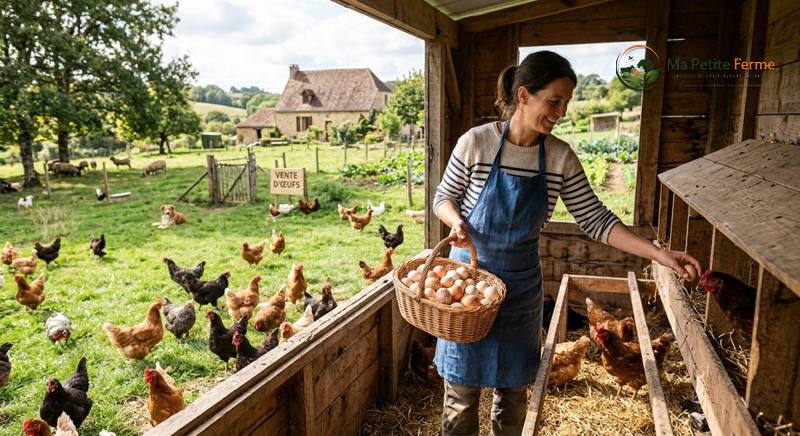
How Many Laying Hens Do You Need to Live from Selling Eggs Through Short Supply Chains?
What size laying hen flock do you need to generate a viable income through direct sales? Discover our practical advice for small-scale producers.
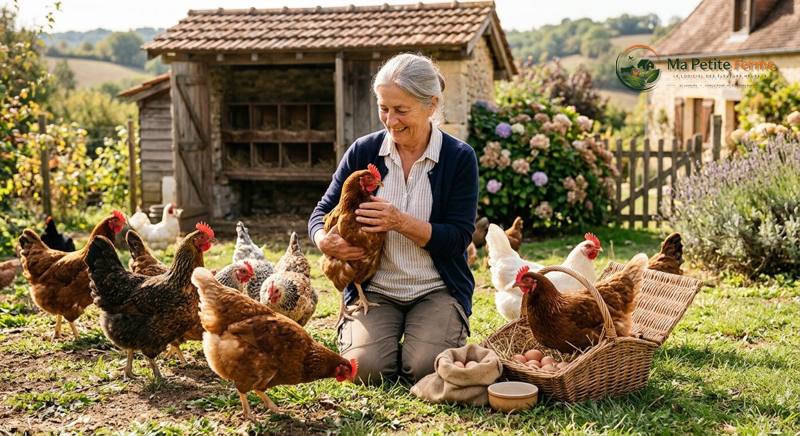
Laying hens: at what age should they be culled and what to do next?
Knowing when to cull your laying hens is essential to optimise the profitability of your flock. Discover the right benchmarks and possible outlets.
How many eggs does a laying hen produce according to its breed and age?
Find out how many eggs a laying hen produces according to its breed and age, to better plan your farming and short-circuit sales.
Farms in our network — Marans, Sussex, Leghorn: which breed lays the most in free range?

Get our tips by email
Livestock, production and short-circuit selling — our best tips, no spam.