
How to Improve the Laying Rate of Your Hens
By La Rédaction — Ma Petite Ferme · 27/07/2026
Understanding What Affects Egg Production
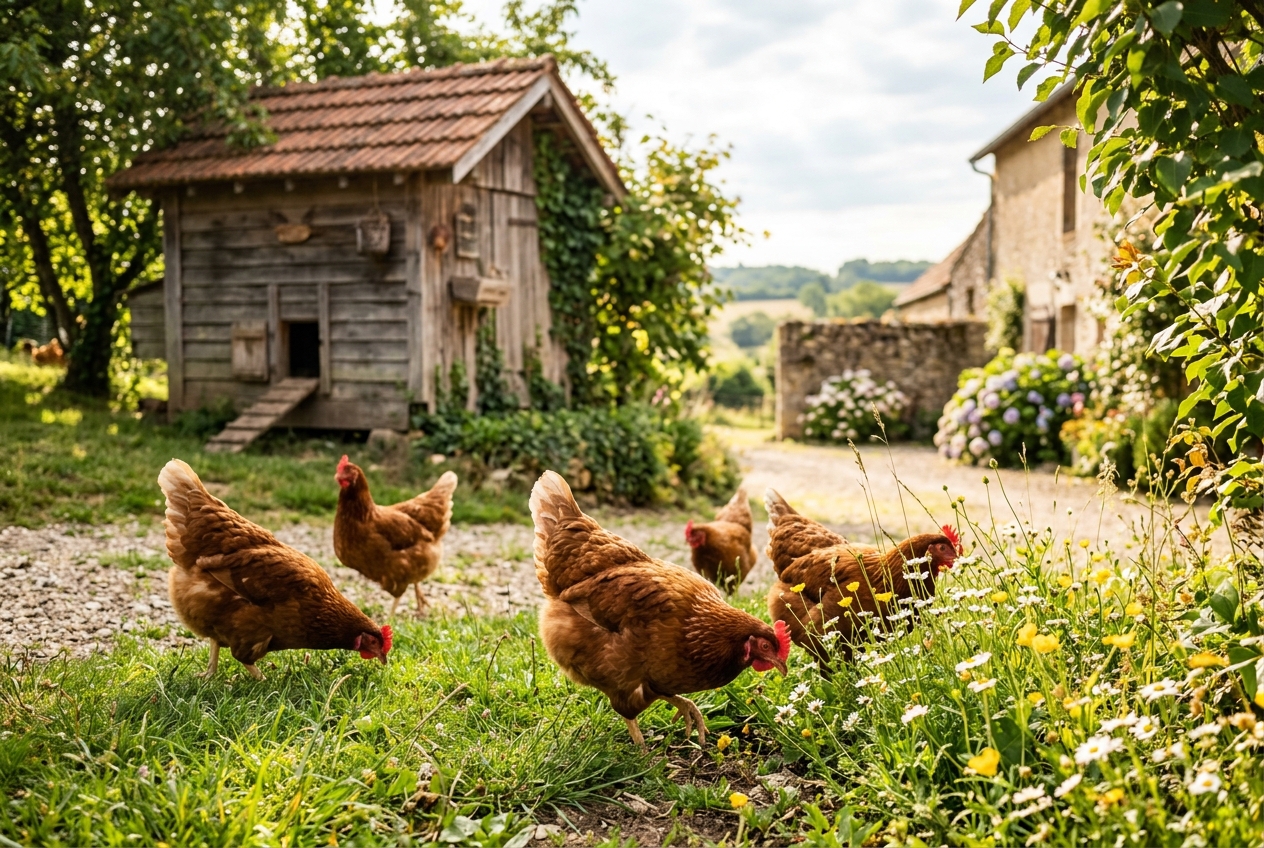
Before making any changes, it's important to understand the key factors that influence how often your hens lay eggs. Light exposure, nutrition, stress levels, and overall flock health all play a critical role in egg production. Even small imbalances can cause a noticeable drop in your daily egg count. By addressing each of these areas thoughtfully, you can see real, lasting improvements without relying on artificial inputs.
Optimize Light Exposure in the Henhouse
Hens need approximately 14 to 16 hours of light per day to maintain strong laying activity. During fall and winter months, natural daylight simply isn't enough. Consider adding a low-wattage LED bulb to your coop set on a timer to gradually extend the light period in the morning hours. Avoid abrupt changes in lighting schedules, as these can stress your birds and actually reduce production temporarily. A slow, consistent adjustment works best.
Feed a Balanced and Nutrient-Rich Diet
Nutrition is arguably the most powerful lever you have as a small producer. Your hens require a quality layer feed with at least 16% protein, along with adequate calcium for strong eggshells. Offer crushed oyster shell free-choice alongside their regular feed. Supplement their diet with fresh greens, insects, or fermented feed to improve gut health and nutrient absorption. Avoid overfeeding scratch grains, which are high in carbohydrates but low in the nutrients that drive egg production.
Reduce Stress and Improve Living Conditions
Stress is a silent egg thief. Overcrowding, predator threats, sudden temperature changes, or frequent flock disturbances can all cause hens to slow or stop laying. Make sure each hen has at least 4 square feet of indoor space and 10 square feet of outdoor run space. Keep the coop clean, dry, and well-ventilated. Provide enough nesting boxes — one box for every four to five hens — so birds don't feel competitive or anxious at laying time.
Monitor Flock Health Regularly
A healthy hen is a productive hen. Internal parasites, mites, lice, or underlying illnesses can quietly drain your flock's energy and reduce laying rates significantly. Perform routine health checks, watch for behavioral changes, and keep a deworming and biosecurity schedule in place. Isolate any sick birds promptly to protect the rest of the flock. Fresh, clean water available at all times is also non-negotiable — dehydration alone can halt egg production within hours.
Be Patient and Track Your Progress
Improving your laying rate is rarely an overnight achievement. Keep a simple daily log of egg counts per hen to identify trends and measure the impact of each change you make. With the right combination of light, nutrition, comfort, and health management, most small flocks respond positively within two to four weeks. Your hens will reward your attention and care with a steady, reliable supply of beautiful eggs.
Manage your farm with Ma Petite Ferme
Track your animals, production and sales in one place with our dedicated software (chicken farming). Try the free online demo : Explore the demo.
Related articles — How to Improve the Laying Rate of Your Hens
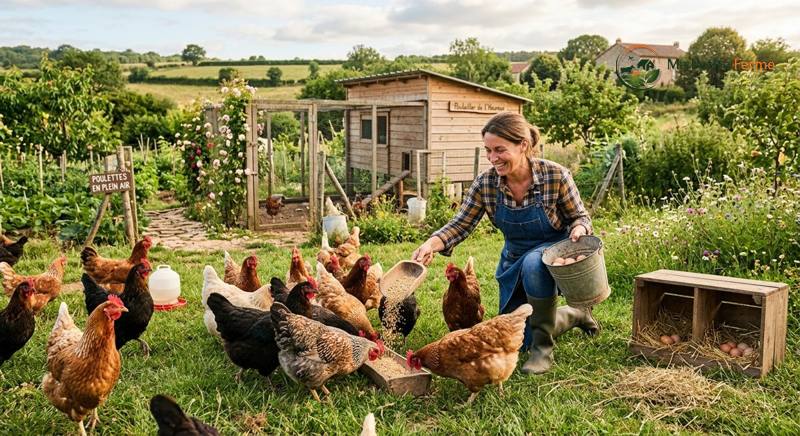
Managing laying hens on a daily basis: practical tips for successful poultry farming
Discover how to care for your laying hens every day to ensure their well-being and maximize your egg production in short supply chains.

Farm Livestock Raising: A Complete Guide to Getting Started and Succeeding in Short Supply Chains
Discover how to start a profitable farm livestock operation, choose your animals, and successfully sell your production through short supply chains.
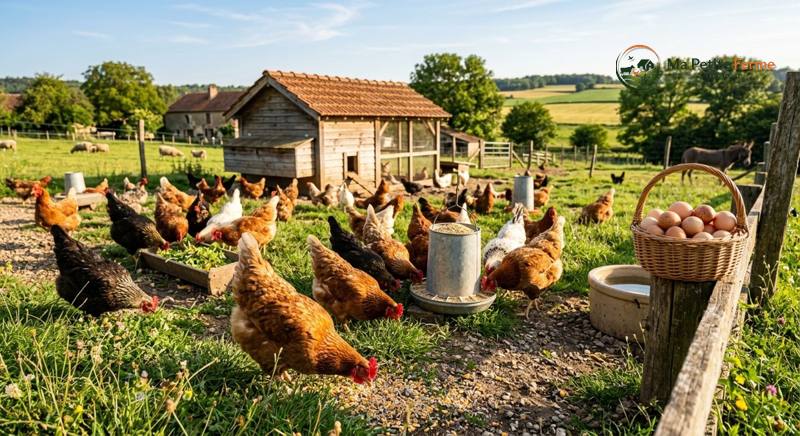
Feeding Laying Hens Properly: The Complete Guide to Quality Eggs
Discover how to feed your laying hens to obtain tasty eggs in large quantities. Practical tips for small-scale farmers.
Farms in our network — How to Improve the Laying Rate of Your Hens

Get our tips by email
Livestock, production and short-circuit selling — our best tips, no spam.