
Summer tips for your pigs: managing heat effectively on the farm
By La Rédaction — Ma Petite Ferme · 02/08/2026
Why is heat a danger for pigs?
Unlike other farm animals, pigs barely sweat. Their thermoregulation system is limited, making them particularly vulnerable to intense summer heat. Above 25°C, a pig begins to suffer from heat stress, which can lead to loss of appetite, reduced growth, reproductive disorders and, in the most severe cases, death from hyperthermia. As a small-scale producer, it is essential to closely monitor your animals from the first warm days of the year.
Ensuring permanent access to fresh water
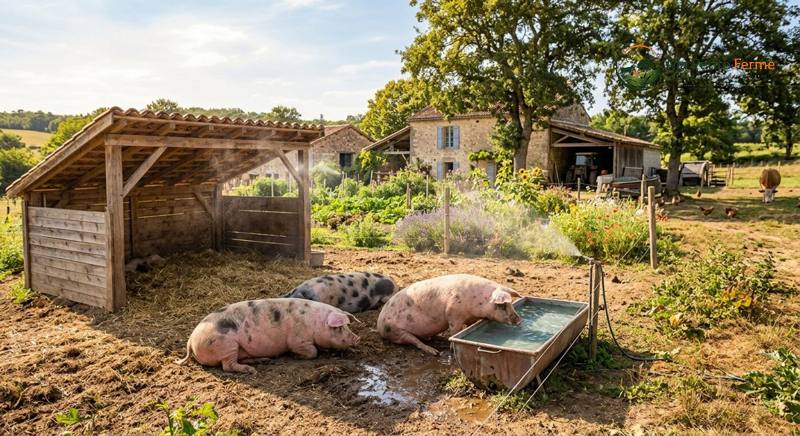
In summer, pigs' water requirements double or even triple. Check every morning that the drinkers are working properly and that the water is clean and fresh. An adult pig can consume up to 15 litres of water per day in hot weather. Do not hesitate to rinse the drinkers more frequently to prevent the proliferation of bacteria. If you raise your pigs outdoors, install additional water points in the shade so they do not have to travel too far in the sun.
Setting up shaded and cool areas
Pigs raised outdoors need a sturdy shelter to protect them from direct sunlight. A stretched tarpaulin, an open shed or leafy trees can be sufficient to create effective shaded areas. Inside buildings, consider improving ventilation by opening windows and doors at night to bring the temperature down. Fans can also be installed to circulate the air. The goal is to maintain an ambient temperature below 22°C in farrowing and fattening pens.
Mud bathing: a natural ally against heat
Mud is a pig's natural air conditioning! By wallowing in mud, pigs lower their body temperature through evaporation. If you raise your animals outdoors, set up a small pond or a wet area in their enclosure. A simple garden hose used to create a muddy area can be sufficient. This practice is not only beneficial for their health, but it also allows them to express a natural behaviour that is essential to their wellbeing.
Adapting feeding during heatwaves
In intense heat, distribute meals early in the morning and late in the evening, when temperatures are more moderate. Avoid feeding at midday, as this risks further increasing the body heat produced through digestion. You can also enrich the ration with vitamins and minerals to compensate for losses caused by heat stress. Some farmers add electrolytes to the drinking water to maintain the animals' fluid balance.
Monitoring signs of heat stress
An overheated pig pants, seeks to lie down on cool ground, refuses to eat and may display reddish skin. If you observe these symptoms, act quickly: spray the animal with lukewarm water (never ice-cold), move it to the shade and contact your veterinarian if its condition does not improve. Prevention remains the best protection: anticipate heatwaves by adapting your farming practices from spring onwards.
Related articles — Summer tips for your pigs: managing heat effectively on the farm
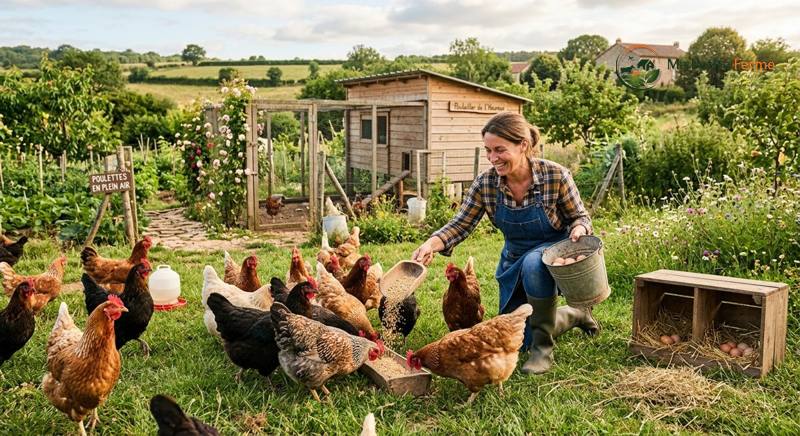
Managing laying hens on a daily basis: practical tips for successful poultry farming
Discover how to care for your laying hens every day to ensure their well-being and maximize your egg production in short supply chains.
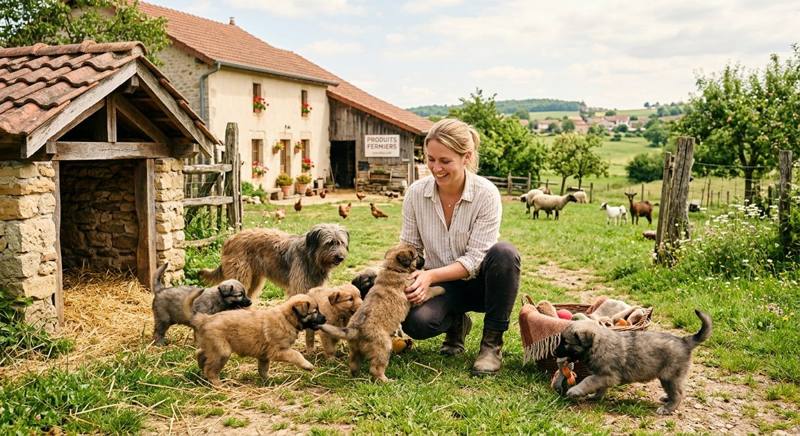
Dog Breeding on the Farm: Tips for Getting Started and Succeeding
Looking to start a dog breeding operation on your farm? Discover our practical tips for getting started smoothly and by the book.
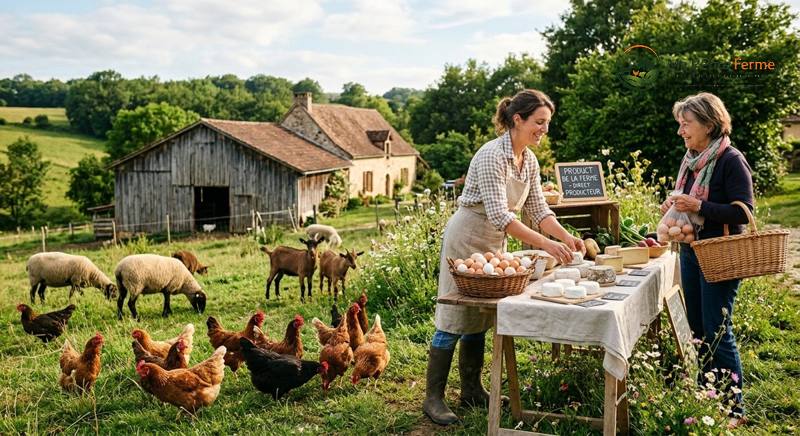
Farm Livestock Raising: A Complete Guide to Getting Started and Succeeding in Short Supply Chains
Discover how to start a profitable farm livestock operation, choose your animals, and successfully sell your production through short supply chains.
Farms in our network — Summer tips for your pigs: managing heat effectively on the farm

Get our tips by email
Livestock, production and short-circuit selling — our best tips, no spam.