Free-range laying hen farming: benefits, challenges and practical tips
By La Rédaction — Ma Petite Ferme · 19/08/2026
Why choose free-range laying hen farming?
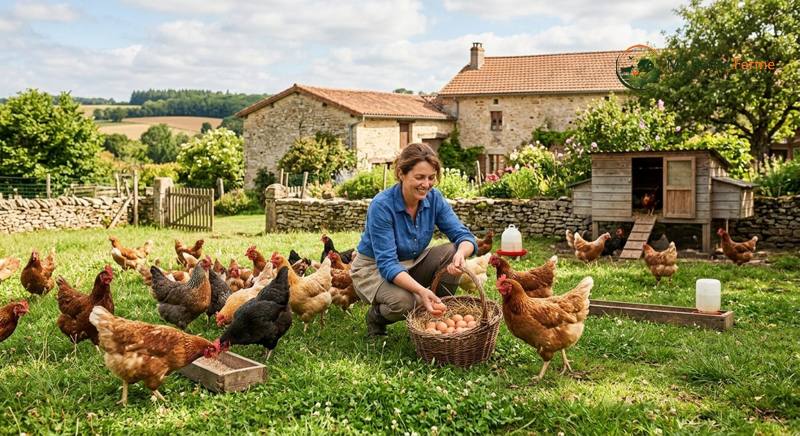
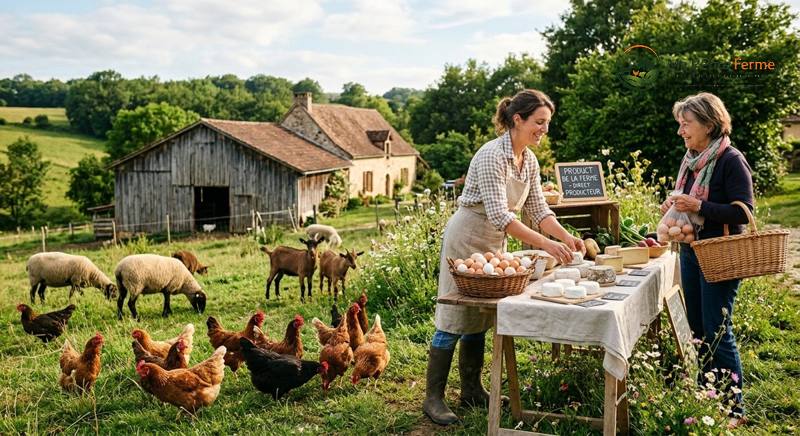
Free-range laying hen farming is attracting a growing number of small producers, and for good reason. This farming method places animal welfare at the heart of agricultural practices. The hens have access to an outdoor space where they can scratch the ground, dust-bathe, and express their natural behaviours. The result: less stressed, more resilient animals and significantly better-quality eggs. Consumers, increasingly attentive to the origin of their food, favour products from respectful farming practices. In short supply chains, this argument represents a genuine commercial advantage for showcasing your production.
The practical benefits for your farm
Choosing free-range farming offers several direct benefits. On the nutritional front, hens that freely access grass, insects and worms produce eggs richer in omega-3 fatty acids and vitamins. From an economic standpoint, making use of the natural resources of the outdoor range allows for a significant reduction in supplementary feed consumption. Furthermore, poultry droppings naturally fertilise the soil, which can benefit neighbouring crops if you run a mixed farming operation. Finally, the "free-range" or "Label Rouge" designation opens the door to better sale price valorisation, particularly through direct farm sales or at markets.
Challenges to anticipate for success
Free-range farming is not without its constraints. Predation represents one of the major risks: foxes, birds of prey or stoats can decimate a flock in a very short time. It is essential to secure the range with appropriate fencing and a well-protected henhouse. Health management also requires increased vigilance: contact with wildlife can facilitate the transmission of diseases, particularly avian influenza. Adhering to the biosecurity protocols imposed by veterinary authorities is therefore non-negotiable. Finally, extreme weather conditions — heatwaves, frost, prolonged rainfall — can impact the health of the animals and the consistency of egg-laying.
Practical tips for getting started
To launch your farming operation under the best possible conditions, here are some essential recommendations. Plan for a minimum of 4 m² of grassed range per hen to maintain viable vegetation and healthy soil. Rotate grazing areas using a rotation system to prevent overgrazing and limit parasite pressure. Choose hardy breeds suited to your region, such as the Gauloise Dorée, the Sussex or the Marans, recognised for their resilience and good laying capacity. Install natural shelters — hedges, trees or mobile structures — so your hens can protect themselves from aerial predators. Finally, keep a rigorous farming logbook to monitor egg production, feed consumption and the health status of your flock.
A farming approach full of meaning and added value
Free-range laying hen farming is far more than a simple agricultural practice: it is a strong commitment to quality food, respect for the animal and the sustainability of your farm. By combining sound zootechnical practices with short supply chain marketing, you build a lasting relationship of trust with your customers, who are ready to support a humane and transparent approach to farming.
Related articles — Free-range laying hen farming: benefits, challenges and practical tips
Feeding chickens: a complete guide for tasty eggs and healthy hens
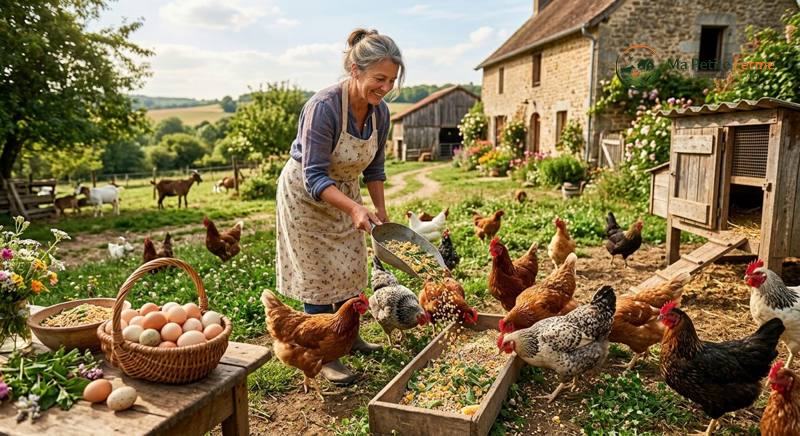
Discover how to properly feed your chickens to optimize their health, egg-laying and the quality of your eggs in short supply chains.
Managing laying hens on a daily basis: practical tips for successful poultry farming
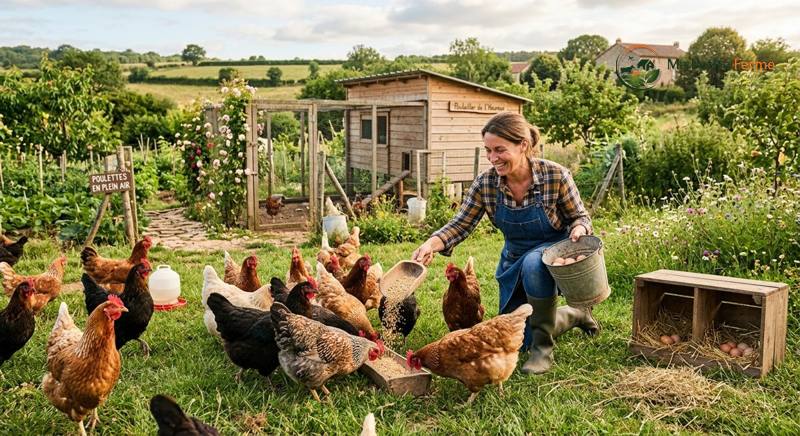
Discover how to care for your laying hens every day to ensure their well-being and maximize your egg production in short supply chains.
Farm Livestock Raising: A Complete Guide to Getting Started and Succeeding in Short Supply Chains
Discover how to start a profitable farm livestock operation, choose your animals, and successfully sell your production through short supply chains.
Farms in our network — Free-range laying hen farming: benefits, challenges and practical tips
Get our tips by email
Livestock, production and short-circuit selling — our best tips, no spam.