Farm Livestock Raising: A Complete Guide to Getting Started and Succeeding in Short Supply Chains
By La Rédaction — Ma Petite Ferme · 11/08/2026
Why start a farm-based livestock operation?
Farm-based livestock raising has seen a genuine resurgence of interest in recent years. Consumers are seeking authentic, traceable products from animals that have been well treated. For small producers, this represents a wonderful opportunity to build a sustainable business, showcase their local territory, and forge direct relationships with their customers. Whether you have a few hectares or a small holding, short-circuit livestock farming can represent a solid and fulfilling source of income.
Choosing the right species for your farm
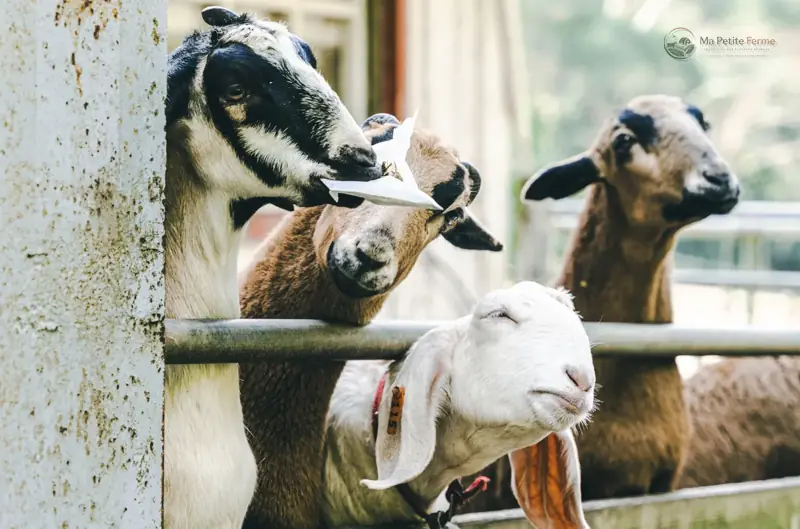
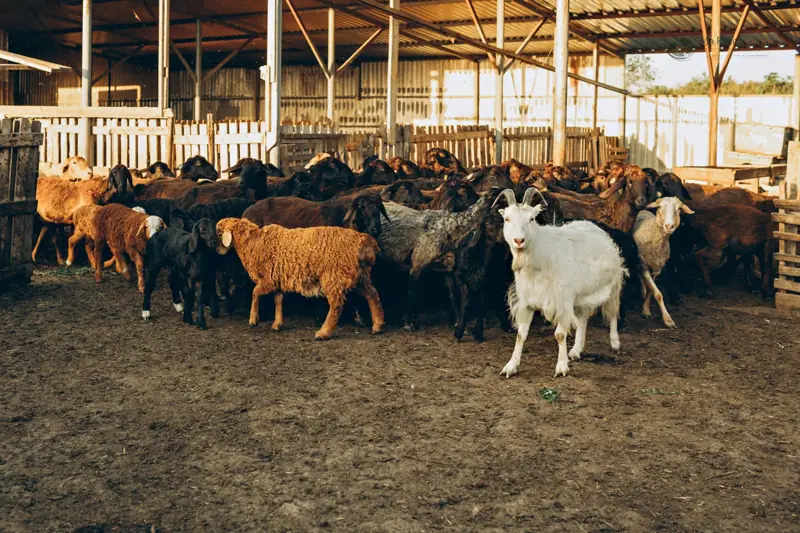
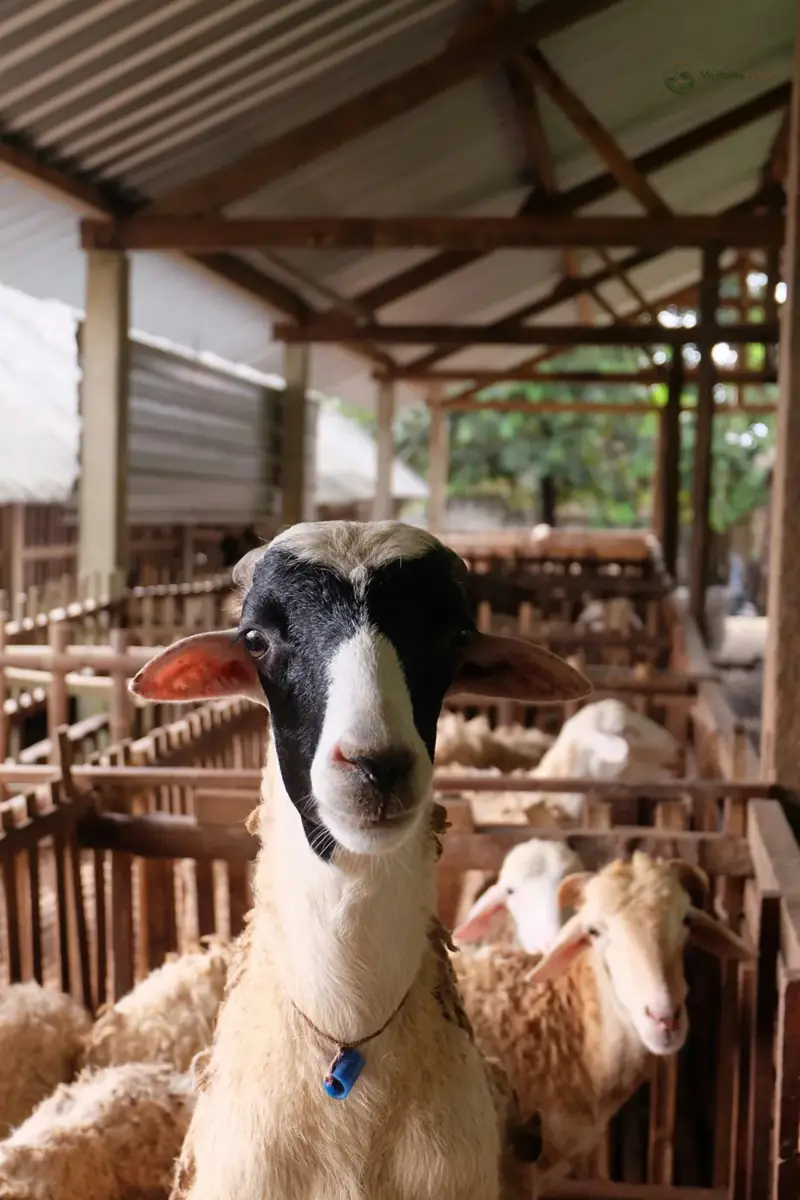
The choice of animals is a decisive step. It depends on your available land, your experience, your start-up budget, and the local market. Poultry — broiler chickens, laying hens, ducks, or guinea fowl — are often recommended for beginners: they require little space, a moderate initial investment, and offer a rapid income turnover. Sheep and goats are ideal for making use of sloping meadows or difficult terrain, while producing milk, cheese, or meat. Beef cattle are better suited to farms with large areas of fodder land. Finally, free-range pig farming is winning over a growing number of consumers in search of quality.
The keys to healthy and sustainable livestock farming
The success of a livestock operation rests above all on animal welfare. Healthy, well-fed, and properly housed animals perform better and fall ill less often, which reduces your veterinary costs. Prioritise hardy breeds suited to your region, encourage grazing, and use feed produced on the farm. Good building hygiene, rigorous vaccination management, and regular veterinary monitoring are essential. Think also about training: livestock internships, agricultural courses, or mentoring alongside an experienced farmer will help you avoid many early mistakes.
Selling your production through short circuits: the best strategies
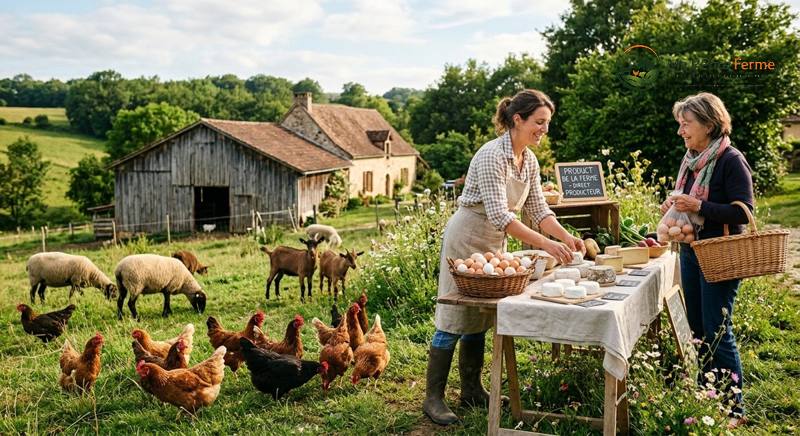
One of the major advantages of farm-based livestock raising is the ability to sell directly to the consumer, cutting out middlemen. On-farm sales remain the most popular approach: they create connection, build customer loyalty, and allow you to fully realise the value of your work. Local markets, AMAPs, farm drive-throughs, and local grocery shops are excellent complementary outlets. Do not hesitate to diversify your offering with processed products — charcuterie, cheeses, eggs, preserves — which can significantly increase your turnover. A presence on social media and a simple website can also attract new customers and strengthen your local visibility.
Getting support to develop your project
Launching a farm-based livestock operation cannot be improvised. Fortunately, many organisations can support you: the Chambers of Agriculture offer personalised advice and farm assessments. Bodies such as the GIEE, livestock farmer groups, or local cooperatives provide valuable technical and commercial support. Financial assistance is also available, including FEADER subsidies, young farmer grants, or subsidised loans. Well supported and well prepared, your farm livestock project has every chance of flourishing sustainably.
Related articles — Farm Livestock Raising: A Complete Guide to Getting Started and Succeeding in Short Supply Chains
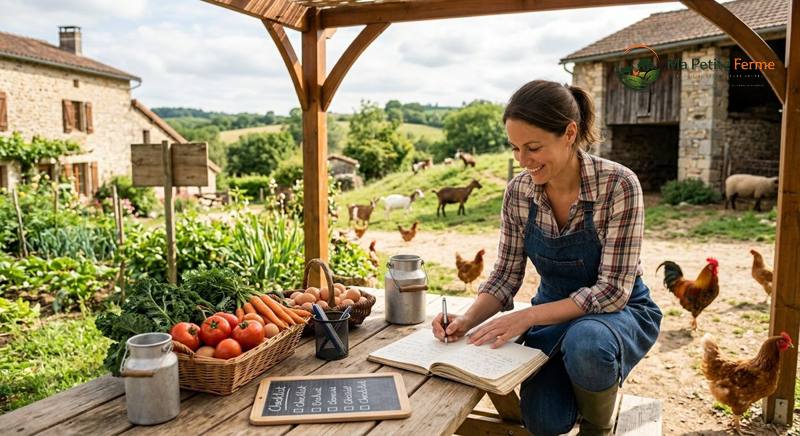
Managing a small farm without complicated software: our practical tips
Discover how to run your farm on a day-to-day basis with simple tools, without getting lost in overly complex software.
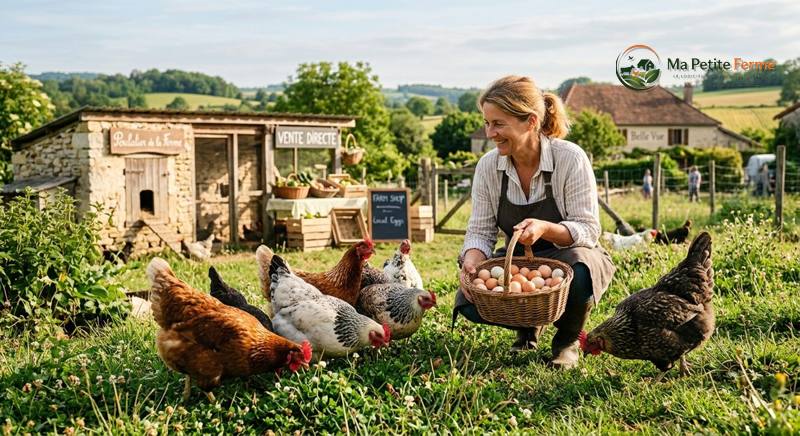
Laying Hens: The Best Breeds for Profitable Short Supply Chain Farming
Discover which laying hen breeds to choose to maximize your egg production and attract customers through direct sales.
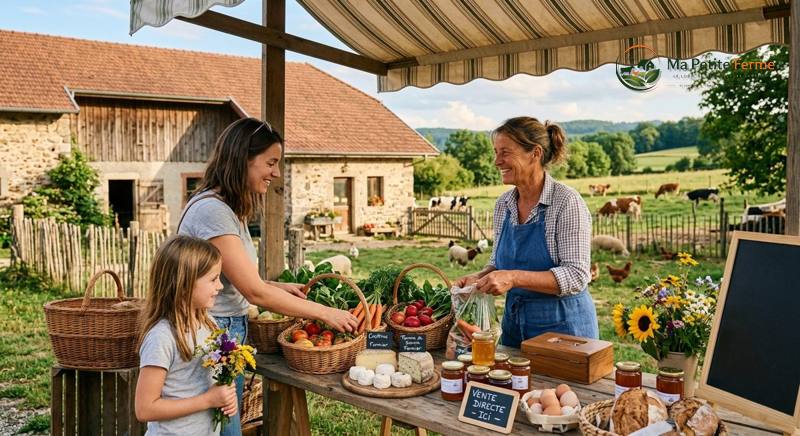
Direct farm sales in short supply chains: how to get started depending on your region
Discover how to launch your direct farm sales activity in short supply chains, with advice tailored to each region of France.
Farms in our network — Farm Livestock Raising: A Complete Guide to Getting Started and Succeeding in Short Supply Chains
Get our tips by email
Livestock, production and short-circuit selling — our best tips, no spam.