
Laying hens: everything small-scale producers need to know to succeed in their farming
By La Rédaction — Ma Petite Ferme · 11/08/2026
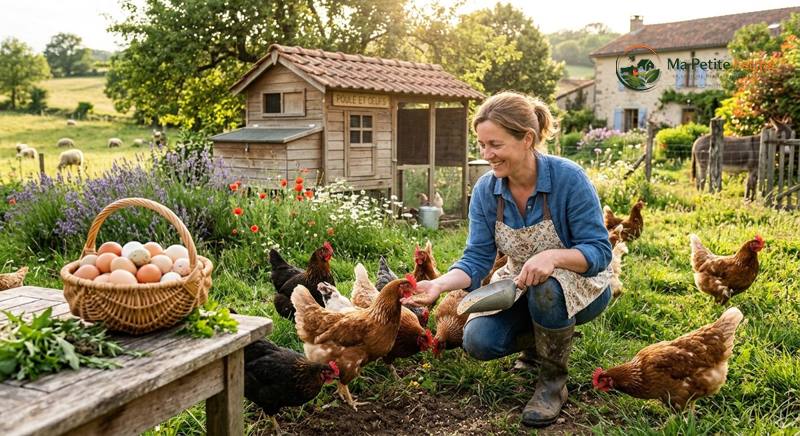
Why raise laying hens in short supply chains?
The laying hen is undoubtedly the most accessible animal for getting started in farm breeding. Inexpensive to feed, easy to manage on a daily basis, and highly appreciated by local consumers, she represents a genuine economic opportunity for small producers. A fresh egg sold directly at the farm or at a local market can fetch two to three times the price of a supermarket egg, while building customer loyalty among those who value quality and transparency.
Choosing the right laying hen breed
The choice of breed directly determines your production level and the image of your farm. For high yields, breeds such as the White Leghorn or the Isa Brown are known for laying between 280 and 320 eggs per year. If you prefer aesthetics and a rustic farm character, heritage breeds such as the Marans, the Golden Gauloise, or the Bresse Gauloise will win over your customers while adapting perfectly to outdoor life. Rustic breeds are often more resistant to disease and require fewer veterinary interventions, which reduces your costs.
Feeding and welfare: the keys to good egg production
A healthy laying hen produces eggs regularly and of superior quality. Her diet must be balanced: a daily ration of 120 to 130 grams of pellets or compound feed, supplemented by access to pasture for a natural supply of insects, grasses, and minerals. Also make sure to provide crushed oyster shells to strengthen eggshell solidity. Fresh, clean water must be available at all times. Sufficient living space, with a minimum of 4 m² of outdoor range per hen, promotes animal welfare and improves the nutritional quality of the eggs, particularly in terms of omega-3 fatty acids.
Managing the health of your flock
Prevention remains your best ally. Clean the henhouse regularly, disinfect the perches and nesting boxes, and monitor for the appearance of parasites such as red mites, which are particularly active in summer. Annual veterinary check-ups and vaccinations suited to your region will help you keep your flock safe. In the event of an unexplained drop in egg production, check first for issues with feed, stress caused by predators, or a change of season.
Selling eggs in short supply chains: best practices
To market your eggs directly, you must comply with a few regulatory requirements: marking eggs with a producer code, adhering to grading and labeling standards, and registering your activity with the veterinary services if you exceed 250 hens. Below this threshold, direct sales are very straightforward. Offer your eggs at local markets, through direct farm sales, or via a community-supported agriculture scheme (AMAP). Make the most of your storytelling: a beautiful photo of your free-range flock and a few words about your approach are often enough to win over your first customers.
Related articles — Laying hens: everything small-scale producers need to know to succeed in their farming
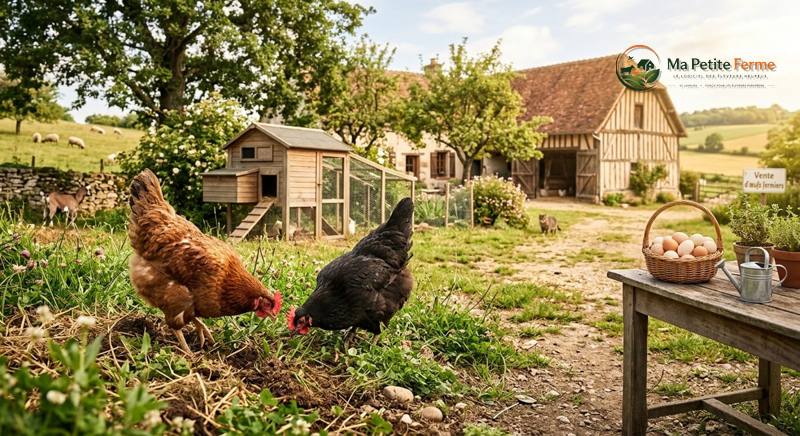
Spent laying hens: everything you need to know before buying
Buying spent laying hens can be a great deal… if you know what you're doing. Discover our tips before you take the plunge.
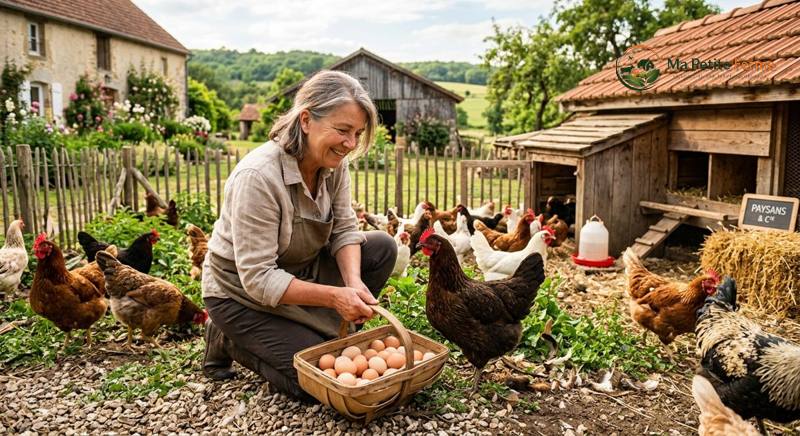
Which laying hen breed should you choose to maximize production?
Discover the best laying hen breeds to optimize your egg production in farm poultry keeping and make the right choices for your situation.
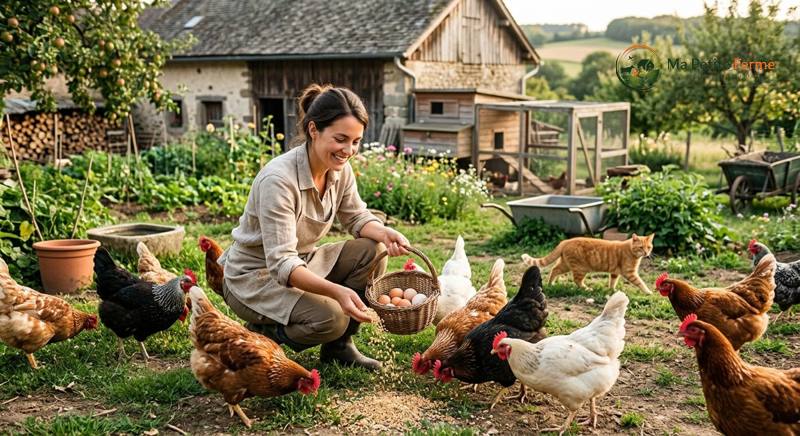
How Much Does a Laying Hen Cost? Purchase Price and Raising Costs Explained
Discover the purchase price of a laying hen and the real costs of raising them to properly prepare your short-circuit poultry farming project.
Farms in our network — Laying hens: everything small-scale producers need to know to succeed in their farming

Get our tips by email
Livestock, production and short-circuit selling — our best tips, no spam.