Which laying hen breed should you choose to maximize production?
By La Rédaction — Ma Petite Ferme · 26/08/2026
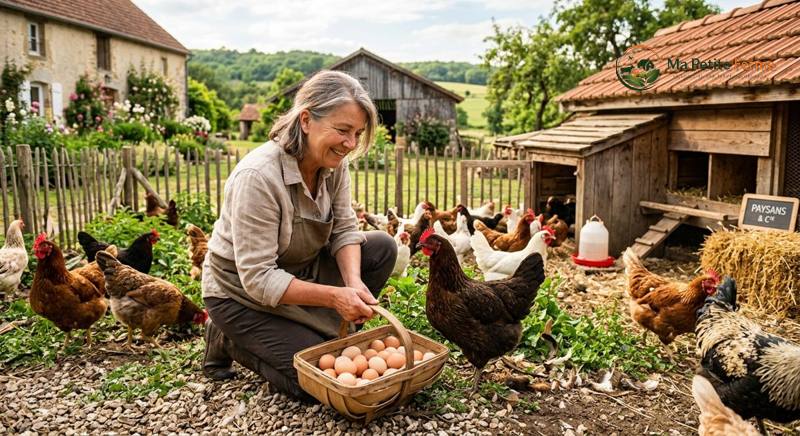
Why is choosing the right laying hen breed crucial?
In small-scale poultry farming, the laying hen breed you choose directly determines your egg yield, profitability, and customer satisfaction. Between highly productive lightweight breeds and hardy breeds better suited to free-range conditions, there is a wide range of solutions available. Here is an overview of the best options for small producers looking to maximise their output while preserving animal welfare.
Lightweight breeds: laying champions
Breeds dedicated exclusively to egg production are generally derived from strains selected to produce between 280 and 320 eggs per year. The White Leghorn is arguably the best known: lightweight, not very demanding in terms of feed, and highly productive, it is perfectly suited to intensive or semi-intensive farming. The ISA Brown, a widely used hybrid, offers consistent production of brown eggs with excellent feed conversion. These hens start laying early, often as young as 18 weeks, which represents a significant economic advantage for the producer.
Hardy breeds: an ideal compromise for short supply chain sales
For free-range farmers looking to promote their eggs to customers who are sensitive to origin and animal welfare, hardy breeds represent an excellent compromise. The Marans, famous for its very dark brown eggs that are highly appreciated by consumers, lays approximately 150 to 200 eggs per year. The Sussex and the Wyandotte are also recognised for their hardiness, calm temperament, and good adaptation to difficult outdoor conditions. These breeds appeal to a local customer base willing to pay a fair price for superior quality eggs.
Dual-purpose breeds: versatility and profitability
Some producers prefer to invest in so-called dual-purpose breeds, capable of both egg and meat production. The Golden Gauloise and the Faverolles fall into this category. They lay between 160 and 220 eggs per year while also producing cockerels and spent hens that can be sold for meat. This dual value can significantly improve the overall margin of a farm operation.
How to choose based on your situation?
Your choice of breed must above all match your project. Ask yourself the right questions: What is your primary sales outlet? Do you sell at markets, through a community-supported agriculture scheme, or on-farm? Do you have a large free-range area or a closed building? What is your feed budget? If maximum egg production is your absolute priority, go for commercial hybrids such as the ISA Brown. If you want to build a local brand around quality eggs, a hardy or heritage breed will be your best commercial asset. In any case, consider slightly diversifying your flock to test results before fully committing to a single breed.
Conclusion: the ideal breed does not exist, but the right choice does
There is no universally perfect breed for every farmer. The best laying hen breed is the one that matches your production system, your economic objectives, and your customers' expectations. Seek advice from your local agricultural chamber, connect with other farmers in your region, and do not hesitate to consult specialist hatcheries for personalised guidance. A good start makes all the difference!
Related articles — Which laying hen breed should you choose to maximize production?
Which laying hen breed should you choose for your farm?
Discover how to choose the best laying hen breed based on your needs, land, and short supply chain production goals.
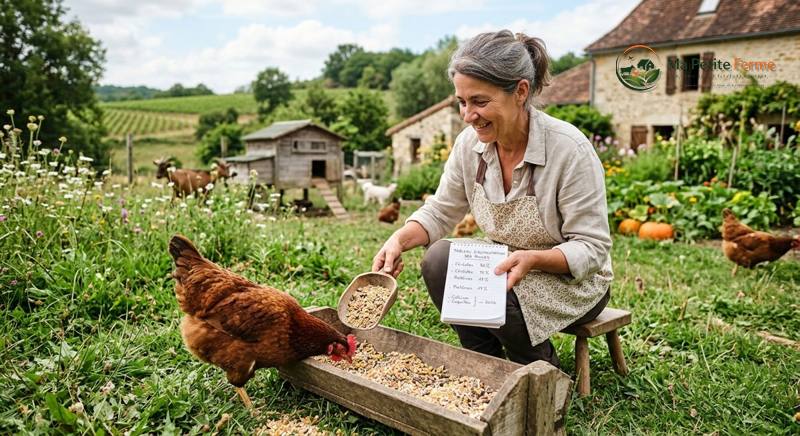
Feeding chart for laying hens: everything you need to know
Discover our complete laying hen feeding chart to optimize egg production and the health of your flock.
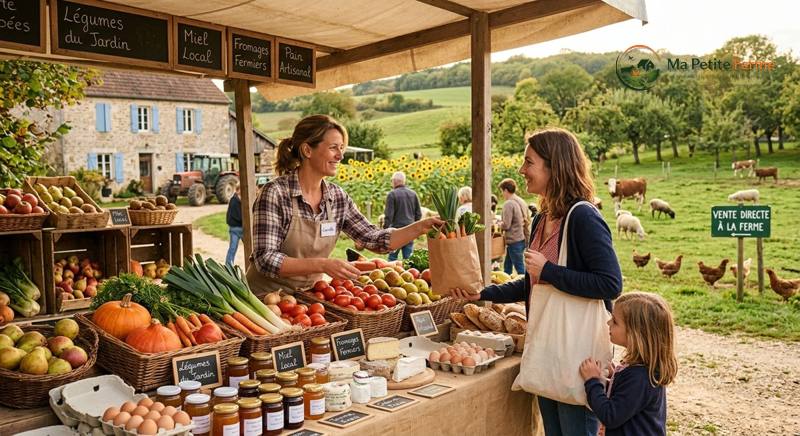
Direct farm sales: how to attract local customers and build customer loyalty
Discover the best strategies to grow your local customer base and build a lasting relationship of trust with your buyers through short supply chains.
Farms in our network — Which laying hen breed should you choose to maximize production?


Get our tips by email
Livestock, production and short-circuit selling — our best tips, no spam.