
Which vitamins should you give your hens to boost egg laying?
By La Rédaction — Ma Petite Ferme · 08/08/2026
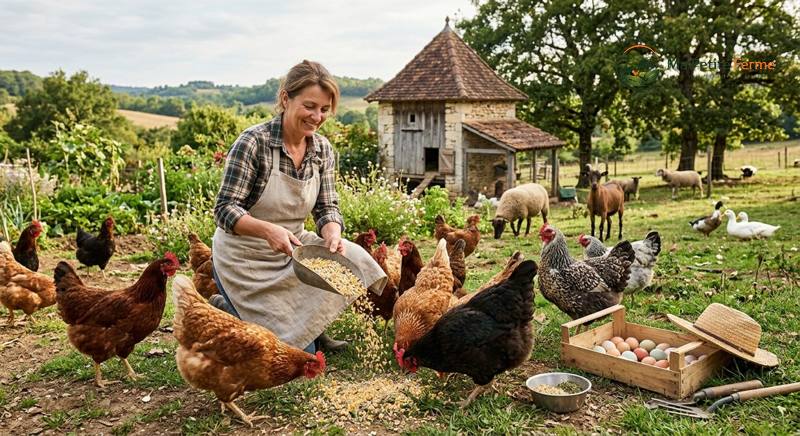
Why vitamins are essential for hen laying?
A healthy laying hen can produce up to 300 eggs per year. But to achieve this optimal yield, she needs a balanced nutritional intake, including specific vitamins. Even a mild deficiency can lead to a significant drop in production, eggs with fragile shells, or reproductive disorders. As a small-scale producer, understanding the role of each vitamin will allow you to adjust your flock's diet effectively.
Vitamin D3: the number one vitamin for laying
Vitamin D3 is without a doubt the most important vitamin for laying. It plays a central role in the absorption of calcium and phosphorus, two minerals that are essential for shell formation. A hen deficient in vitamin D3 will lay eggs with soft shells, or even no shell at all. Hens raised outdoors naturally synthesize this vitamin through sunlight. In winter or for indoor farming, it is advisable to supplement it through a liquid dietary supplement or enriched pellets. Be sure to follow the recommended doses, as an excess of vitamin D can be toxic.
Vitamin A: for mucous membrane health and fertility
Vitamin A contributes to the good health of the mucous membranes of the hens' reproductive system. It also promotes egg fertility if you have a rooster in your farmyard. A vitamin A deficiency can cause respiratory infections, a weakened immune system, and a decrease in laying. You can provide it naturally through vegetables rich in beta-carotene such as carrots, squash, or spinach. These foods are easily available on the farm and greatly enjoyed by hens.
B-group vitamins: energy and metabolism in service of laying
Vitamins B2 (riboflavin), B9 (folic acid), and B12 play a crucial role in the energy metabolism of laying hens. Riboflavin, in particular, is directly linked to egg production and quality. A vitamin B2 deficiency is common in hens fed rations low in whole grains. Brewer's yeast, sprouted seeds, and wheat bran are excellent natural sources of B vitamins to incorporate into the daily ration.
Vitamin E: antioxidant and protector of reproduction
Vitamin E is a powerful antioxidant that protects reproductive cells and improves egg quality. It works in synergy with selenium to strengthen the flock's immune system. Sunflower seeds, wheat germ, and vegetable oils are natural sources that can easily be incorporated into hens' feed. Good vitamin E supplementation is particularly recommended during periods of stress, such as seasonal changes or heat peaks.
Practical tips for supplementing your hens
The simplest way to ensure a complete vitamin intake is to use a water-soluble multivitamin supplement available at agricultural cooperatives. Also consider diversifying the fresh foods offered to your hens: herbs, vegetables, insects, and a variety of grains are all natural sources of vitamins. Regular monitoring of production and the general condition of your animals will allow you to quickly adjust their diet in the event of a drop in laying.
Related articles — Which vitamins should you give your hens to boost egg laying?
Which laying hen breed should you choose to maximize production?
Discover the best laying hen breeds to optimize your egg production in farm poultry keeping and make the right choices for your situation.
Which laying hen breed should you choose for your farm?
Discover how to choose the best laying hen breed based on your needs, land, and short supply chain production goals.
How to Get Hens to Lay Eggs: Our Tips to Optimize Egg Production
Discover the best practices to stimulate your hens' laying and maximize your egg production on the farm.
Farms in our network — Which vitamins should you give your hens to boost egg laying?

Get our tips by email
Livestock, production and short-circuit selling — our best tips, no spam.