
Grandmother's remedies to get hens laying: the tricks that really work
By La Rédaction — Ma Petite Ferme · 02/08/2026
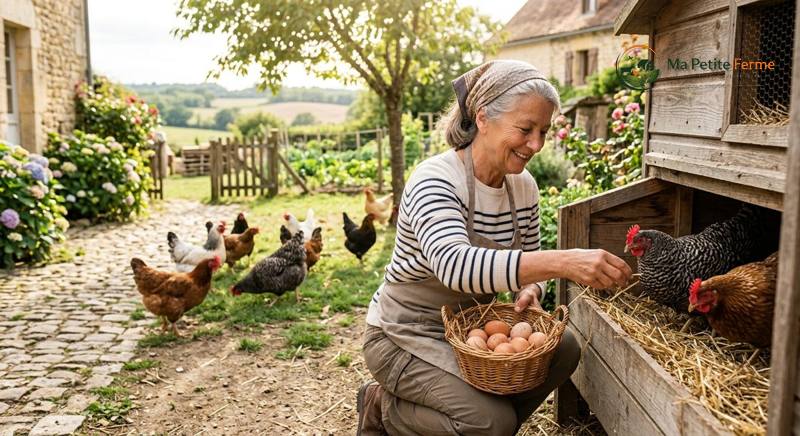
Why Do Hens Stop Laying?
Before looking for a remedy, it is important to understand the causes of a drop in egg production. Lack of light in winter, stress, a nutrient-deficient diet, moulting, or excessive heat are the main culprits. The good news is that most of these factors can be corrected with simple, natural solutions passed down from generation to generation by our ancestors.
Garlic: The Classic Chicken Coop Remedy
Garlic is undoubtedly the most widely used traditional remedy for stimulating egg laying in hens. Chop two to three cloves of fresh garlic and mix them directly into the water bowl or the mash. Garlic acts as a general tonic: it boosts the immune system, expels intestinal parasites, and restores vitality to tired hens. A one-week course per month is enough to see results.
Cayenne Pepper to Get Things Going Again
This remedy often comes as a surprise, but it is very effective, especially in winter. Sprinkle a small pinch of cayenne pepper into the feeder, mixed in with the grain. The capsaicin found in the pepper stimulates blood circulation and kick-starts the hens' metabolism. Unlike humans, poultry do not feel the heat of the spice — they actually enjoy this supplement without even realising it!
Oyster Shells and Crushed Eggshells
A hen that lacks calcium lays eggs with soft shells… or simply stops laying altogether. The traditional remedy involves collecting eggshells, drying them in the oven, and then crushing them coarsely. Place them in a separate container inside the chicken coop so that each hen can help herself as needed. Oyster shells purchased from a pet shop serve exactly the same purpose.
Artificial Light: The Old Farmers' Trick
Our grandmothers used to hang a simple light bulb in the chicken coop from the start of autumn. Hens need around 14 to 16 hours of light per day to maintain regular laying. By extending the daylight hours by a few hours in the morning using a timer, you signal to their bodies that the favourable season is continuing. This simple gesture can be enough to restart production that had been stagnating for weeks.
Nettle Tea: A Plant-Based Pick-Me-Up
The nettle is a remarkable plant for the farmyard. Rich in iron, protein, and vitamins, it gently tones up the hens. Prepare a decoction of fresh or dried nettles, leave it to cool, and offer this enriched water in place of their regular water two to three times a week. You can also incorporate freshly chopped nettles directly into the mash. The results on egg laying and plumage are often visible in less than two weeks.
Patience and Consistency: The Real Secrets
These natural remedies work because they address the root causes of poor egg laying: deficiencies, stress, fatigue, or seasonality. Adopt them on a regular basis rather than only in emergencies, combine them with a clean chicken coop, access to the outdoors, and a varied diet, and your hens will reward you with a lovely basket of fresh eggs every morning.
Related articles — Grandmother's remedies to get hens laying: the tricks that really work
How to Get Hens to Lay Eggs: Our Tips to Optimize Egg Production
Discover the best practices to stimulate your hens' laying and maximize your egg production on the farm.
Hen laying: everything you need to know to maximize egg production on the farm
Discover how to optimize your hens' laying with our practical tips on nutrition, lighting, and animal welfare.
Feeding your chickens: a complete guide for healthy and abundant eggs
Discover how to properly feed your chickens to ensure their health, well-being and optimal egg production throughout the year.
Farms in our network — Grandmother's remedies to get hens laying: the tricks that really work


Get our tips by email
Livestock, production and short-circuit selling — our best tips, no spam.