
Week 31: how to protect your pigs from the summer heat
By La Rédaction — Ma Petite Ferme · 27/07/2026
Why heat is dangerous for your pigs
We are in week 31, in the middle of July, and the thermometer keeps climbing. Unlike other animals, pigs sweat very little. Their ability to regulate body temperature is limited, making them particularly vulnerable to heatstroke. Above 25°C, your herd begins to suffer: loss of appetite, heat stress, slowed growth and, in the most severe cases, a risk of mortality. As a farmer, acting quickly and effectively is essential.
Fresh water, your best ally
The first reflex to adopt this week is to check that water is accessible at all times. A growing pig can consume up to 10 litres of water per day under normal conditions. In periods of intense heat, this need can double. Check your drinkers morning and evening, make sure flow rates are sufficient and that the water stays cool throughout the day. If possible, bury your water pipes or shade your troughs to prevent the water from warming in the sun. A well-hydrated animal copes much better with a heatwave.
Adapting the living space to combat the heat
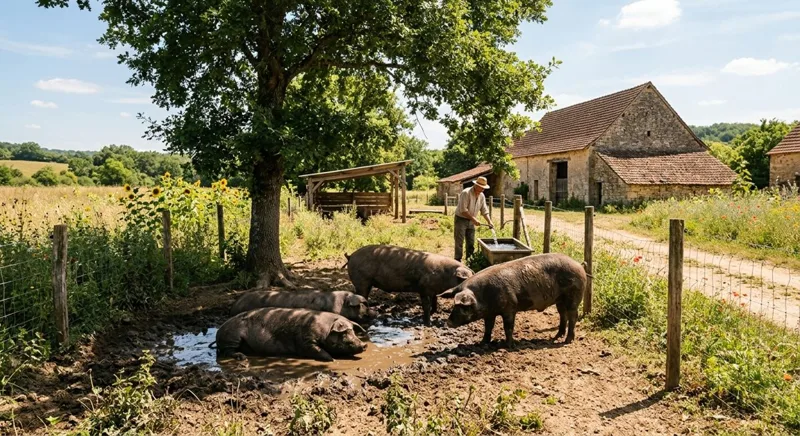
The building or living space of your pigs deserves particular attention during this period. Maximise ventilation in enclosed spaces by opening vents and installing fans if necessary. For outdoor farms, check that each animal has sufficient shade: trees, shade nets or natural shelters are invaluable. Also think about the "mud bath": this age-old practice is not just a pig's whim! Mud allows pigs to regulate their body temperature through evaporation. A damp, shaded corner in your paddock can therefore literally save lives this summer.
Adapting feeding and working hours
In intense heat, distribute meals early in the morning and in the evening, when temperatures are cooler. Avoid feeding at midday: a pig stressed by the heat eats little and digests poorly. You can slightly increase the energy content of the ration to compensate for the reduction in intake. Also consider moving your interventions (weighing, treatments, animal transfers) to the cooler hours of the day to limit the additional stress associated with handling.
Observing and reacting quickly
Be alert to warning signs: rapid and shallow breathing, a prostrate animal, reddish skin, complete refusal to eat. In the event of confirmed heatstroke, gently spray the animal with fresh water (not ice-cold water) and contact your veterinarian. Daily vigilance remains the best prevention. Taking care of your animals in summer also means taking care of the quality of your farm production.
Manage your farm with Ma Petite Ferme
Track your animals, your production and your sales with our dedicated software (pigs). Try the demo for free: Discover the demo.
Related articles — Week 31: how to protect your pigs from the summer heat
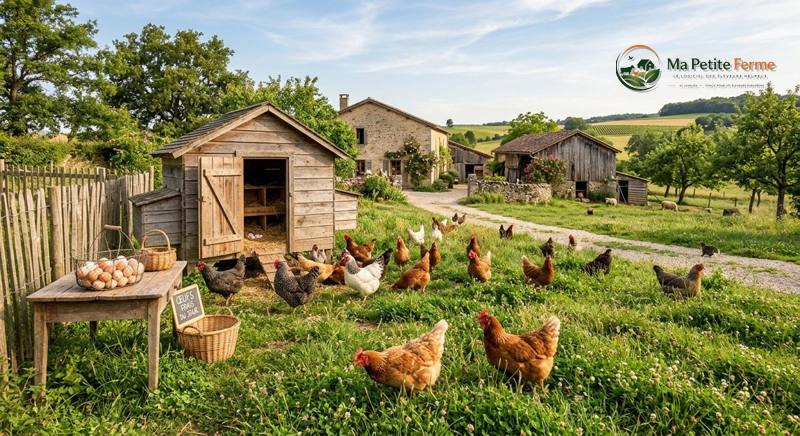
Laying hens in cages or free-range: what to choose for your farm?
Cage or free-range: discover the advantages, disadvantages and regulations to help you choose the right laying hen farming system.
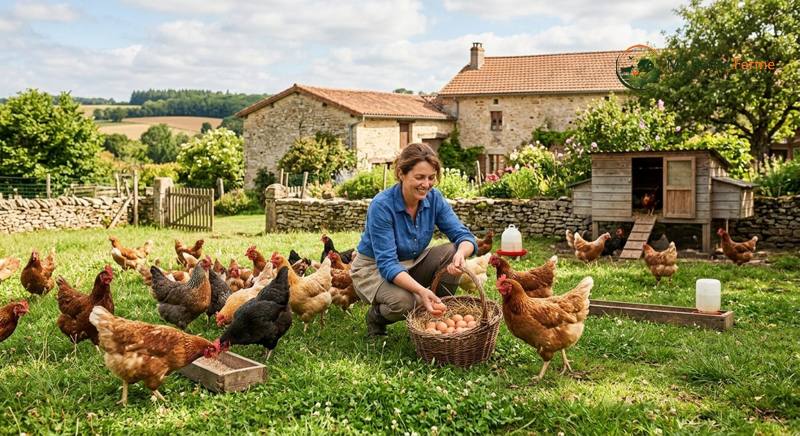
Free-range laying hen farming: benefits, challenges and practical tips
Discover how to succeed in free-range laying hen farming: animal welfare, egg quality and concrete advice for small-scale producers.
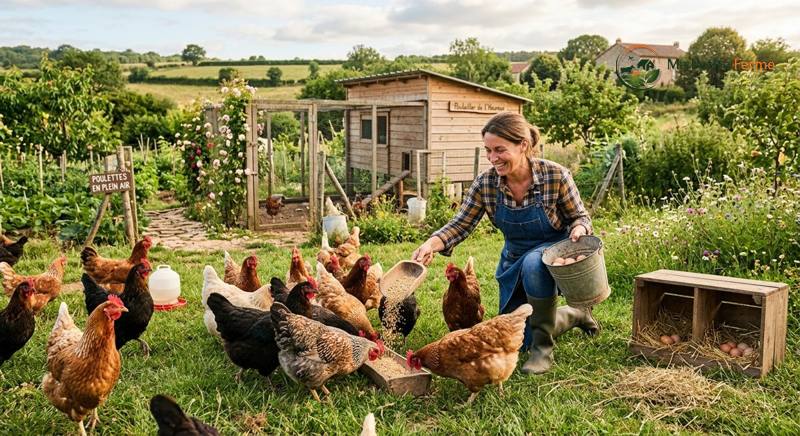
Managing laying hens on a daily basis: practical tips for successful poultry farming
Discover how to care for your laying hens every day to ensure their well-being and maximize your egg production in short supply chains.
Farms in our network — Week 31: how to protect your pigs from the summer heat
Get our tips by email
Livestock, production and short-circuit selling — our best tips, no spam.