Week 31: Managing Summer Heat for the Well-Being of Your Cattle
By La Rédaction — Ma Petite Ferme · 27/07/2026
Why is week 31 critical for your cattle?
We are in the middle of July, and temperatures sometimes climb to alarming levels. For your cattle, the thermal comfort zone lies between 5 and 20°C. Above 25°C, heat stress gradually sets in, leading to a drop in feed intake, a decline in milk production in suckler or dairy cows, and increased health risks. As a small-scale producer, anticipating these effects will allow you to get through this summer period with peace of mind.
Shade and ventilation: your indispensable allies
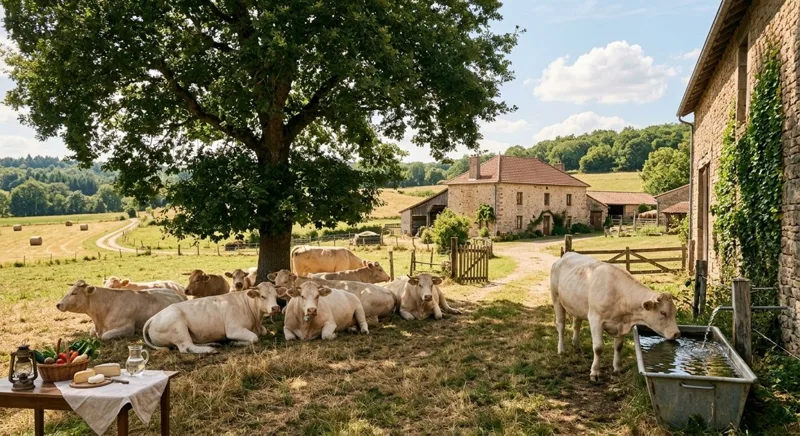
The absolute priority in this week 31 is to ensure permanent access to shade. If your pastures have trees or hedgerows, your animals will naturally seek shelter there during the hottest hours of the day. In buildings, make sure to open ventilation flaps as wide as possible and check that your fans are working properly. A simple flow of air can lower the perceived temperature by several degrees and considerably improve the comfort of your animals. Do not hesitate to lightly moisten the floor of the barn in the morning for a lasting cooling effect.
Fresh water: an absolute priority for your herd
In intense heat, an adult bovine can consume up to 80 to 100 litres of water per day, which is double its usual needs. Check the proper flow of your water troughs daily and clean them regularly to prevent the proliferation of algae or bacteria that could discourage your animals from drinking. Position watering points in the shade as much as possible and, if you can, refresh the water during the coolest hours of the day. Even mild dehydration considerably worsens heat stress.
Adapting herd management during a heatwave
Rethink your working schedules around the herd: move animals, carry out veterinary care and perform handling operations early in the morning, before 9 a.m., or in the late evening after 7 p.m. Avoid any transport by truck during hot hours. In terms of feeding, offer quality forage in the evening rather than during the day, as digestion generates additional body heat. Watch carefully for signs of heatstroke: intense panting, hypersalivation, unsteady gait. If in doubt, contact your veterinarian without delay.
Heightened vigilance to approach the return season with confidence
Taking care of your cattle during this hot week 31 also means preparing for the good recovery of their performance in autumn. A well-managed herd in summer bounces back faster and stronger as soon as temperatures drop. Take the time to observe your animals every day: it is the best diagnostic tool available to you as an attentive and passionate farmer.
Manage your livestock with Ma Petite Ferme
Track your animals, your production and your sales with our dedicated software (cattle). Try the demo for free: Discover the demo.
Related articles — Week 31: Managing Summer Heat for the Well-Being of Your Cattle
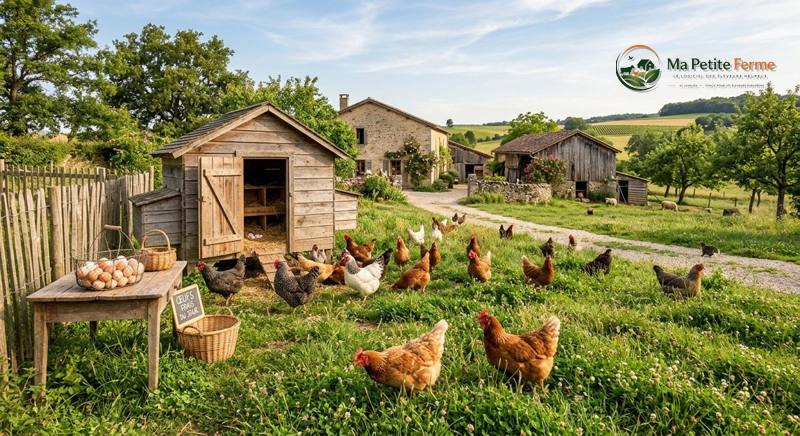
Laying hens in cages or free-range: what to choose for your farm?
Cage or free-range: discover the advantages, disadvantages and regulations to help you choose the right laying hen farming system.
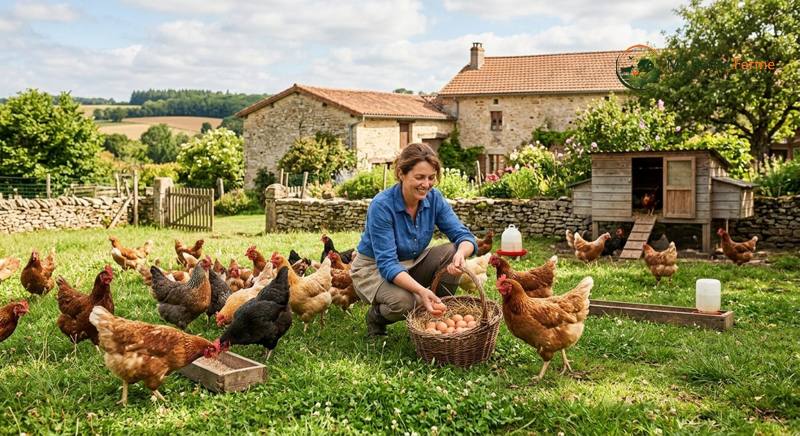
Free-range laying hen farming: benefits, challenges and practical tips
Discover how to succeed in free-range laying hen farming: animal welfare, egg quality and concrete advice for small-scale producers.
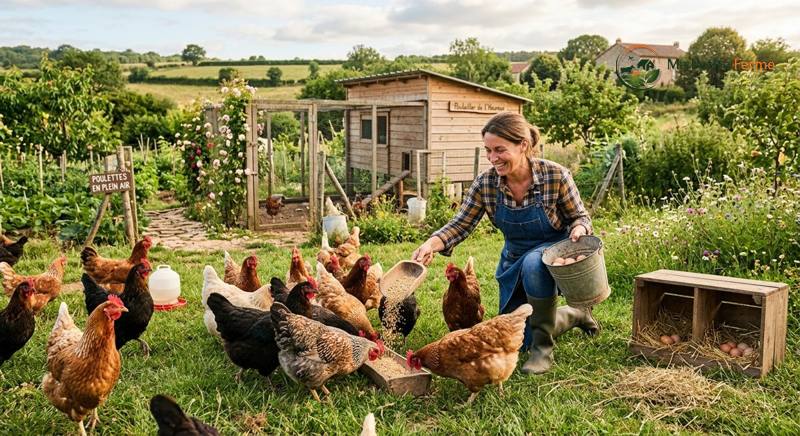
Managing laying hens on a daily basis: practical tips for successful poultry farming
Discover how to care for your laying hens every day to ensure their well-being and maximize your egg production in short supply chains.
Farms in our network — Week 31: Managing Summer Heat for the Well-Being of Your Cattle
Get our tips by email
Livestock, production and short-circuit selling — our best tips, no spam.