
Week 31 Laying Hen Tips: Keeping Your Flock Thriving in Peak Summer Heat
By La Rédaction — Ma Petite Ferme · 27/07/2026
Why Week 31 Is a Critical Moment for Your Laying Hens
By week 31 of the year, you're deep into the heart of summer. Temperatures are at their peak, days are long, and your laying hens are working hard. Heat stress is one of the biggest threats to flock productivity during this period, leading to fewer eggs, thinner shells, and even health complications. The good news? A few smart, seasonal adjustments can make all the difference.
Hydration Is Your Number One Priority
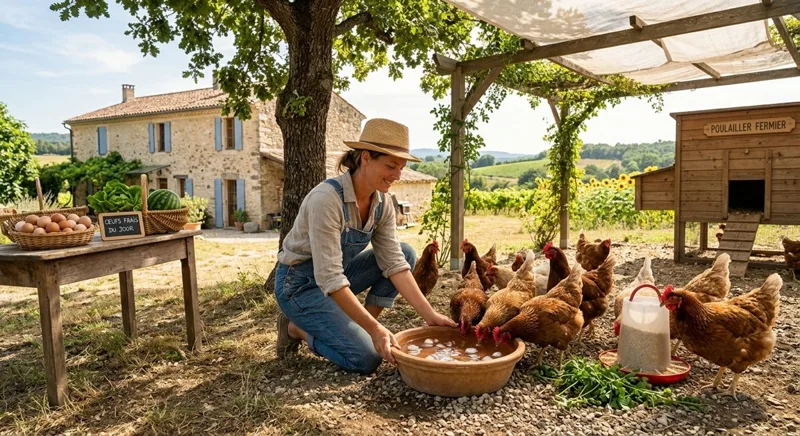
In hot weather, hens can drink up to twice their normal water intake. Make sure fresh, cool water is always available and easily accessible. Place multiple waterers in shaded areas and check them several times a day. Consider adding ice blocks to drinkers during the hottest afternoon hours. Even a few hours of dehydration can trigger a significant drop in egg production that may take days to recover from.
Rethink Your Feeding Schedule
Digestion generates body heat, so avoid feeding large amounts during the hottest parts of the day. Shift your main feeding session to early morning or late evening when temperatures are cooler. This simple change helps your hens manage their internal temperature more efficiently. You can also offer refreshing treats like chilled watermelon, cucumber slices, or frozen corn — these provide hydration alongside extra nutrients.
Improve Ventilation in the Coop
Good airflow is essential. Open all vents and windows to maximize cross-ventilation, especially during the night when hens are roosting. If temperatures remain dangerously high, a simple box fan placed at one end of the coop can dramatically improve air circulation. Avoid overcrowding, as each hen generates body heat that builds up quickly in a poorly ventilated space. Clean bedding also plays a role — damp litter ferments and raises humidity, making the heat feel even worse for your birds.
Provide Natural Shade and Dust Bathing Spots
If your hens have outdoor access, ensure their range area includes shaded zones throughout the day. Trees, shade cloth, or simple lean-to structures work wonderfully. Hens naturally slow down and rest during peak heat — this is normal behavior, not laziness. Keeping a cool, loose dust bathing area in the shade helps them regulate body temperature naturally and reduces parasite pressure, which tends to increase in summer.
Watch for Early Signs of Heat Stress
Know what to look for: panting with an open beak, wings held away from the body, lethargy, and pale combs. These are warning signs that require immediate action — move affected birds to a cooler space and offer fresh water right away. Catching heat stress early prevents serious losses and keeps your whole flock on track for strong production through the remainder of summer.
Manage your farm with Ma Petite Ferme
Track your animals, production and sales with our dedicated software (laying hens). Try the free demo : Explore the demo.
Related articles — Week 31 Laying Hen Tips: Keeping Your Flock Thriving in Peak Summer Heat
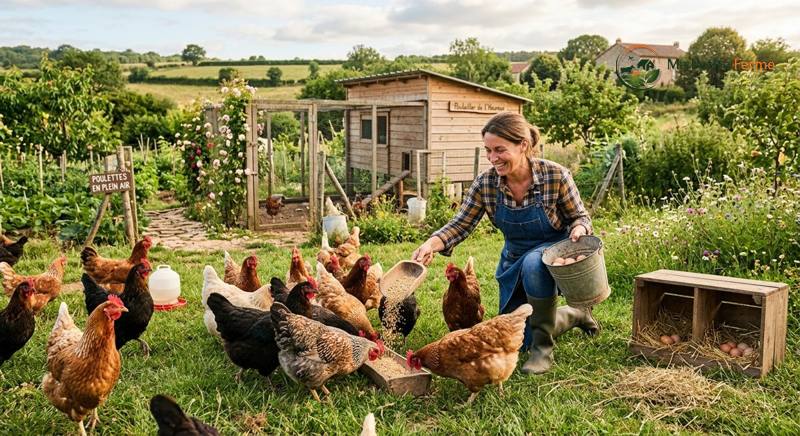
Managing laying hens on a daily basis: practical tips for successful poultry farming
Discover how to care for your laying hens every day to ensure their well-being and maximize your egg production in short supply chains.
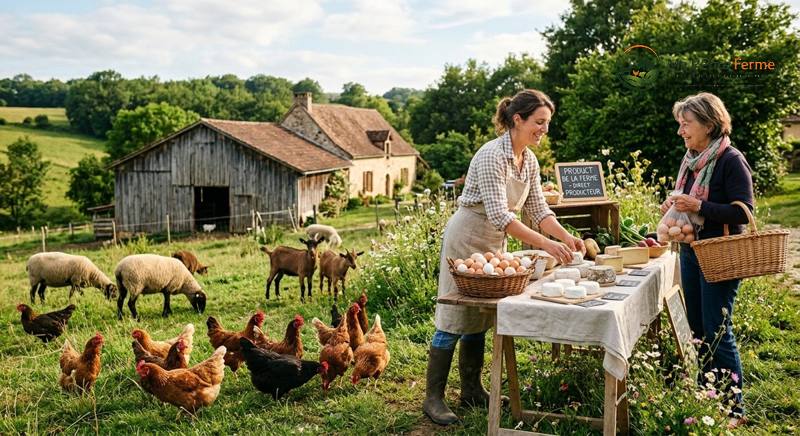
Farm Livestock Raising: A Complete Guide to Getting Started and Succeeding in Short Supply Chains
Discover how to start a profitable farm livestock operation, choose your animals, and successfully sell your production through short supply chains.
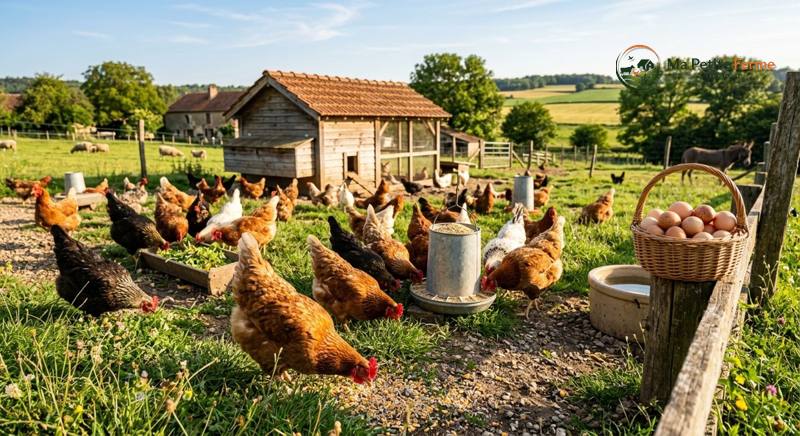
Feeding Laying Hens Properly: The Complete Guide to Quality Eggs
Discover how to feed your laying hens to obtain tasty eggs in large quantities. Practical tips for small-scale farmers.
Farms in our network — Week 31 Laying Hen Tips: Keeping Your Flock Thriving in Peak Summer Heat
Get our tips by email
Livestock, production and short-circuit selling — our best tips, no spam.