Week 31: our tips for managing your goats in the height of summer
By La Rédaction — Ma Petite Ferme · 27/07/2026
Summer, a challenging period for your goat herd
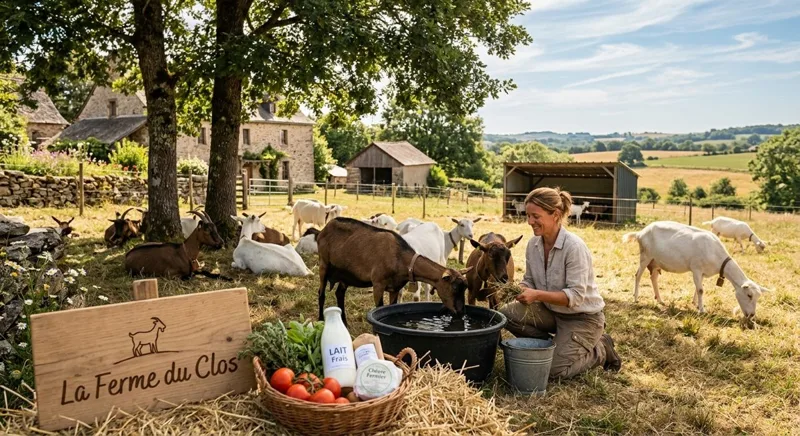
Week 31 places us in the middle of July, at the peak of summer heat. For your goats, this period can be gruelling: heat stress, loss of appetite, decreased milk production… All signals that must be addressed efficiently and with care. As a small-scale producer, your daily presence is your greatest asset for quickly detecting signs of fatigue in your animals.
Fresh water, an absolute priority
In summer, a lactating goat can consume up to 10 litres of water per day, or even more during heat peaks. Check the level and cleanliness of the water troughs twice a day. Stagnant, lukewarm water will be avoided by your animals, which will worsen their dehydration. Opt for troughs placed in the shade, cleaned regularly, and if possible supplied with running or slightly cool water. It is a simple gesture that makes all the difference to the health and production of your herd.
Adapting grazing and milking schedules
During week 31, avoid letting your goats out during the hottest hours, between 11am and 4pm. Favour outings early in the morning, from dawn, or at the end of the day when the temperature drops again. As for milking, adjust your schedules accordingly: milking carried out in the cool of the morning ensures better comfort for the animal and better quality of the collected milk. Also make sure the goat shed is well ventilated, with openings oriented to capture natural breezes without creating direct draughts.
Monitoring nutrition and compensating for summer deficiencies
Heat reduces the appetite of goats. Offer forage and concentrates preferably in the morning or evening. Slightly enrich the ration with minerals, particularly salt and magnesium, which goats eliminate more through perspiration. A mineral licking block available at all times is a simple and effective supplement. Also monitor the body condition of your animals: a goat that loses weight rapidly in summer is a warning sign that should not be ignored.
A key moment to prepare for the autumn season
Week 31 is also the right time to anticipate the resumption of breeding in autumn. Observe your goats' cycles, note the general condition of the herd and plan now for any antiparasitic treatments recommended by your veterinarian. A calm herd in summer is the guarantee of a successful breeding season a few weeks later. Take care of yourself too: summer is tough on farmers as much as on animals!
Manage your farm with Ma Petite Ferme
Track your animals, your production and your sales with our dedicated software (goats). Try the demo for free: Discover the demo.
Related articles — Week 31: our tips for managing your goats in the height of summer
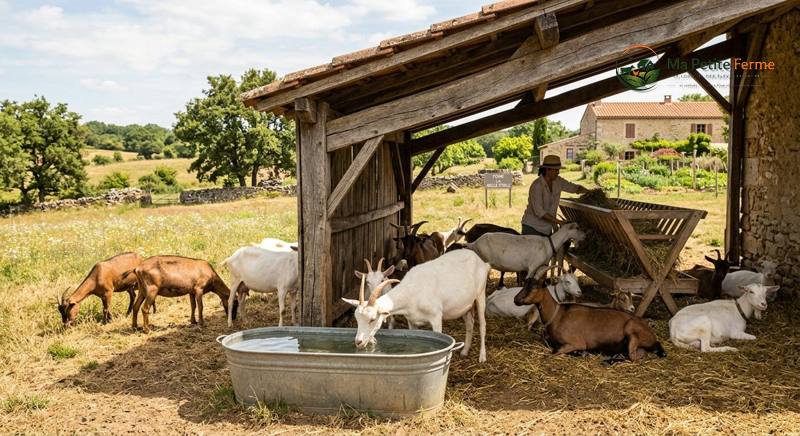
Do Goats Suffer from Heat? Tips to Protect Your Herd in Summer
During periods of intense heat, goats can be seriously affected. Discover how to effectively protect your herd this summer.
Laying hens in cages or free-range: what to choose for your farm?
Cage or free-range: discover the advantages, disadvantages and regulations to help you choose the right laying hen farming system.
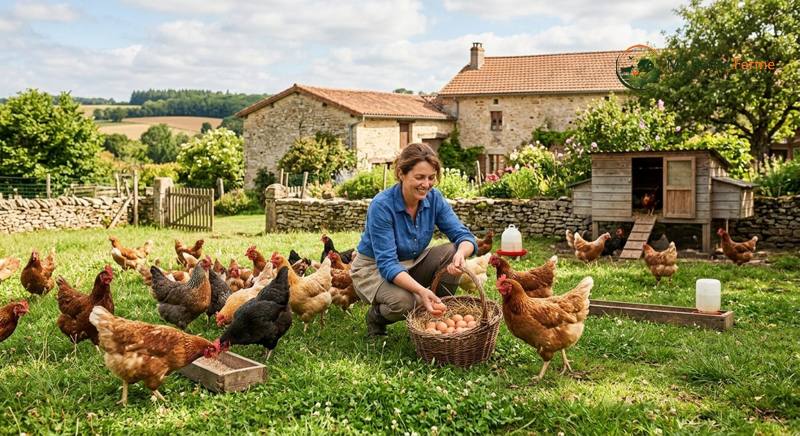
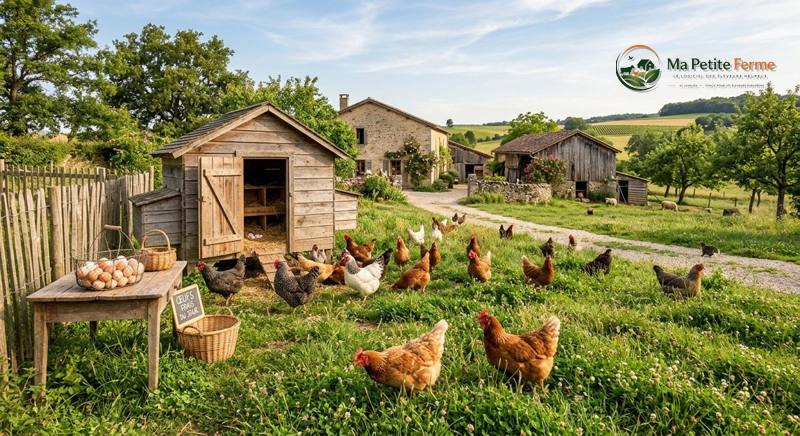
Free-range laying hen farming: benefits, challenges and practical tips
Discover how to succeed in free-range laying hen farming: animal welfare, egg quality and concrete advice for small-scale producers.
Farms in our network — Week 31: our tips for managing your goats in the height of summer

Get our tips by email
Livestock, production and short-circuit selling — our best tips, no spam.